Mortgage Rates 2025: Barrier or Opportunity for Economic Growth?
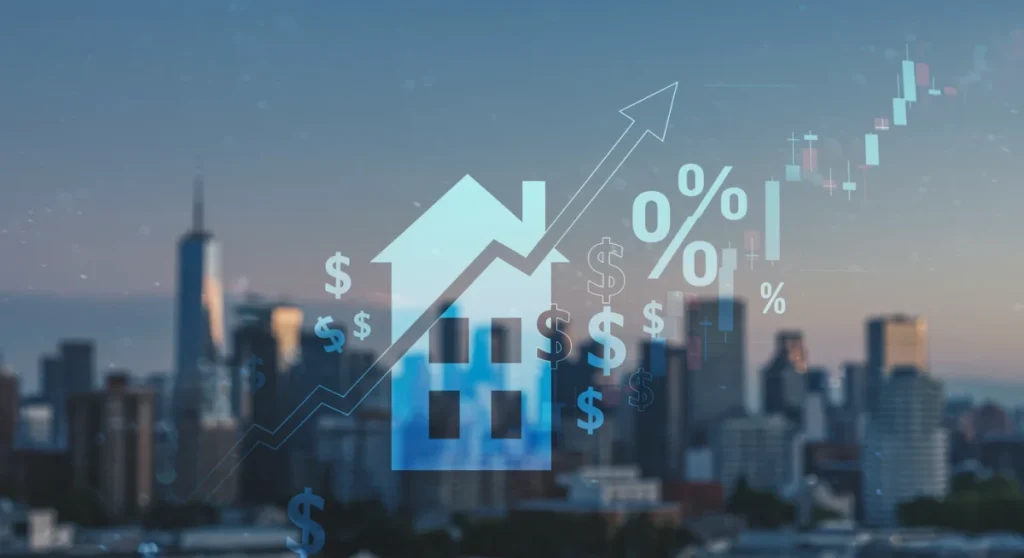
The current 6.5% mortgage rate is a pivotal factor shaping the US housing market, influencing affordability, inventory, and broader economic growth prospects as 2025 approaches.
The question of whether the current 6.5% mortgage rate represents a barrier or an opportunity for 2025 economic growth is at the forefront of discussions concerning the US housing market. This rate significantly influences everything from homebuyer behavior to construction activity and the overall financial health of the nation.
Understanding the Current Mortgage Rate Landscape
The current 6.5% mortgage rate is not an isolated figure; it is a reflection of broader economic forces, including inflation, Federal Reserve policies, and global financial stability. For many prospective homebuyers, this rate dictates their purchasing power and the feasibility of entering the market.
To truly grasp its impact, we must consider its historical context and how it compares to rates seen in previous decades. While higher than the historically low rates of the pandemic era, a 6.5% rate is still below the long-term historical average, suggesting a nuanced perspective is necessary.
Historical Context of Mortgage Rates
Looking back, mortgage rates have fluctuated dramatically. The 1980s saw rates soar into double digits, making homeownership a distant dream for many. Conversely, the 2010s brought unprecedented lows, fueling a housing boom. A 6.5% rate, therefore, sits in a middle ground, demanding a re-evaluation of expectations.
- 1970s-1980s: High inflation led to peak mortgage rates, often exceeding 15%.
- 2000s: Relatively stable rates, with a dip before the 2008 financial crisis.
- 2010s-Early 2020s: Record-low rates below 3%, spurring significant market activity.
Factors Influencing Mortgage Rates
Several key factors contribute to the setting of mortgage rates. The Federal Reserve’s monetary policy, particularly the federal funds rate, plays a significant role, though it doesn’t directly control mortgage rates. Inflation expectations are another major driver, as lenders seek to ensure the real return on their loans.
Economic growth and the bond market also exert considerable influence. When the economy is strong, and inflation is a concern, rates tend to rise. Conversely, signs of economic slowdown or disinflation can lead to lower rates. Understanding these dynamics is crucial for predicting future movements.
In conclusion, the 6.5% mortgage rate is not just a number; it’s a complex indicator influenced by historical trends and a confluence of economic factors. Its current level requires a careful assessment of how it will shape the housing market and broader economic landscape in the coming year.
Impact on Homebuyer Affordability and Demand
The direct consequence of a 6.5% mortgage rate is its profound effect on homebuyer affordability. For many, a higher rate translates into significantly larger monthly payments, making the dream of homeownership more challenging to attain. This directly impacts demand, particularly in entry-level and mid-range markets.
First-time homebuyers, often with tighter budgets, are particularly vulnerable to these rate increases. Their ability to qualify for loans and manage monthly expenses becomes a critical hurdle. This can lead to a cooling of demand, potentially softening home prices in certain areas.
Challenges for First-Time Buyers
First-time buyers face a dual challenge: higher rates and often insufficient savings for down payments. With a 6.5% mortgage rate, the cost of borrowing a substantial sum becomes considerably higher. This necessitates either a larger income, a smaller loan, or a longer saving period.
- Increased Monthly Payments: Higher rates directly inflate monthly mortgage obligations.
- Reduced Purchasing Power: Buyers can afford less house for the same monthly payment.
- Stricter Qualification Standards: Lenders may impose more stringent income and credit requirements.
Shifts in Buyer Behavior
Higher rates spark a shift in buyer behavior. Some potential buyers may opt to rent longer, waiting for rates to decline or for their financial situation to improve. Others might lower their expectations, considering smaller homes or less desirable locations. This can lead to a rebalancing of demand across different housing segments.
The investor class, however, might see this as an opportunity. With fewer traditional buyers, properties could become more accessible, albeit with higher financing costs. This creates a dichotomy in the market, where some segments slow down while others adapt to the new financial realities.
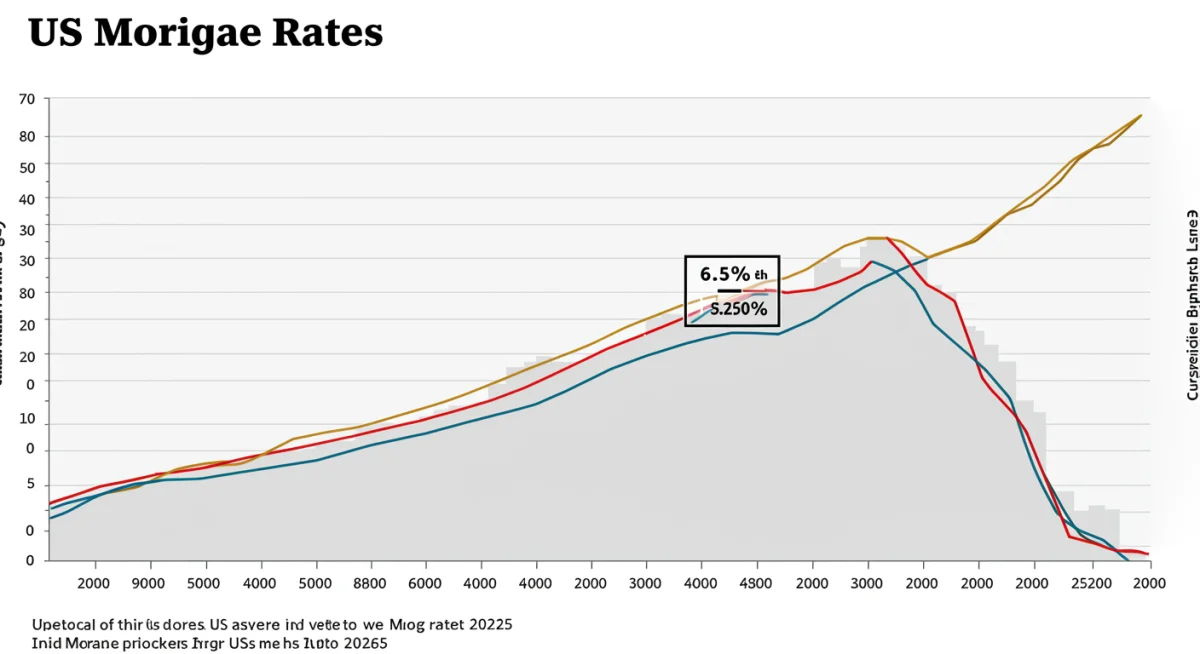
Ultimately, the 6.5% mortgage rate acts as a gatekeeper for affordability, significantly altering the landscape for homebuyers and influencing overall demand dynamics within the US housing market.
Supply Side Dynamics and New Construction
The supply side of the housing market is equally influenced by the 6.5% mortgage rate, particularly concerning new construction. Developers face increased borrowing costs for their projects, which can lead to delays, reduced scale, or even the cancellation of new housing developments. This exacerbates the existing housing supply shortage.
The cost of materials and labor, already elevated, combines with higher financing costs to make new construction a more precarious venture. Builders must carefully weigh the risks and potential returns, often passing on increased costs to the consumer, further impacting affordability.
Challenges for Homebuilders
Homebuilders operate on tight margins, and rising interest rates directly impact their profitability. Higher construction loans mean greater debt servicing costs, which can deter new projects. This is particularly true for smaller builders who may not have the financial reserves of larger corporations.
- Increased Construction Loan Costs: Higher rates make project financing more expensive.
- Reduced Profit Margins: Elevated costs can squeeze the profitability of new homes.
- Project Delays or Cancellations: Some projects may be paused or scrapped due to financial viability concerns.
Existing Home Inventory and ‘Lock-in’ Effect
Beyond new construction, the 6.5% mortgage rate also affects the existing home inventory. Many homeowners who secured historically low rates in recent years are reluctant to sell. This ‘lock-in’ effect means they would have to trade their low-rate mortgage for a new, higher-rate one, significantly increasing their monthly payments.
This reluctance to sell keeps existing inventory low, further constraining supply. While some homeowners may be forced to move due to life events, a substantial portion will likely stay put, contributing to the persistent supply-demand imbalance in many markets. This complex interplay of new construction challenges and existing home dynamics shapes the overall housing supply.
Regional Variations and Market Resilience
The impact of a 6.5% mortgage rate is not uniform across the United States; regional variations play a significant role in how different markets respond. Areas with strong job growth, high demand, and limited existing inventory may show greater resilience, while less robust markets could experience more pronounced slowdowns.
Economic diversity, population shifts, and local regulations all contribute to these regional differences. A market heavily reliant on a single industry might react differently than a diversified economic hub. Understanding these nuances is crucial for a complete picture of the housing market’s response.
Markets Showing Resilience
Certain markets, often those with booming tech sectors or strong population inflows, tend to absorb higher rates more effectively. High-income earners in these regions may be less sensitive to increased monthly payments, or the sheer demand outweighs the affordability challenges. These areas might see continued, albeit slower, price appreciation.
- Strong Job Markets: Areas with robust employment growth tend to maintain housing demand.
- Limited Inventory: Regions with historically low housing stock may still see competitive bidding.
- High-Income Demographics: Buyers with higher incomes are better positioned to absorb increased costs.
Vulnerable Markets and Potential Downturns
Conversely, markets that have experienced rapid price appreciation without corresponding income growth, or those with economic vulnerabilities, might be more susceptible to a downturn. Overvalued markets could see prices soften or even decline as buyers pull back, unable or unwilling to meet the new financial demands.
The balance between affordability and local economic strength will ultimately determine the resilience of specific regions. A 6.5% mortgage rate forces a re-evaluation of home values and sustainable growth patterns across diverse geographical landscapes.
Economic Growth Implications for 2025
The implications of a 6.5% mortgage rate extend far beyond the housing sector, touching various facets of economic growth in 2025. Housing is a significant component of the US economy, influencing consumer spending, construction employment, and overall financial stability. A slowdown in housing can ripple through other industries.
However, it is also possible that this rate environment fosters a necessary rebalancing. If the housing market cools, it could free up resources for other sectors, potentially redirecting investment and labor. The challenge lies in managing this transition without triggering a broader economic contraction.
Impact on Consumer Spending and Confidence
Higher mortgage payments mean less discretionary income for homeowners, directly impacting consumer spending. Reduced spending on goods and services can slow economic growth. Additionally, a cooling housing market can affect consumer confidence, as home equity is often a significant portion of household wealth.
When home values stagnate or decline, homeowners may feel less wealthy and therefore less inclined to spend. This psychological effect can be as powerful as the direct financial impact, contributing to a more cautious economic environment. The interconnectedness of housing and consumer behavior is undeniable.
Investment and Development Opportunities
While challenging, a 6.5% mortgage rate can create new investment and development opportunities. For instance, the demand for rental properties might increase as homeownership becomes less accessible, spurring investment in multi-family housing. Additionally, innovative financing solutions or government programs could emerge to address affordability.
Developers might pivot towards more affordable housing options or focus on markets with stronger underlying demand. This period could also encourage greater efficiency in construction and a renewed focus on sustainable building practices. Thus, a seemingly restrictive rate can paradoxically foster innovation and new market segments.
In essence, the 6.5% mortgage rate in 2025 presents a dual scenario for economic growth: a potential drag on consumer-driven sectors but also a catalyst for strategic investment and recalibration within the broader economy.
Navigating the 6.5% Mortgage Rate: Strategies for Buyers and Sellers
For individuals and families navigating the housing market with a 6.5% mortgage rate, strategic planning is paramount. Both buyers and sellers must adapt their expectations and approaches to succeed in this environment. It demands careful financial assessment, flexibility, and an understanding of market nuances.
Buyers need to explore all financing options and potentially adjust their home search criteria. Sellers, on the other hand, might need to be more competitive with pricing or offer incentives to attract interest. This rate environment favors those who are well-informed and adaptable.
Advice for Prospective Homebuyers
Prospective homebuyers should prioritize financial preparedness. Getting pre-approved for a mortgage is crucial to understand what you can truly afford. Exploring different loan types, such as adjustable-rate mortgages (ARMs) if suitable for short-term plans, can also provide flexibility. Focusing on properties that align with current affordability is key.
- Get Pre-Approved: Understand your borrowing capacity upfront.
- Consider Different Loan Types: Explore ARMs or other options based on your financial strategy.
- Adjust Expectations: Be flexible with location, size, and amenities.
- Save More for Down Payment: A larger down payment reduces the loan amount and monthly cost.
Strategies for Home Sellers
Sellers in a 6.5% mortgage rate environment might need to temper their expectations regarding rapid price appreciation or multiple bidding wars. Pricing homes competitively and ensuring they are in excellent condition can make a significant difference. Offering incentives, such as contributing towards closing costs or temporary rate buydowns, can also attract buyers.
Understanding local market conditions is vital. Working with an experienced real estate agent who can provide accurate market analysis and strategic advice will be invaluable. The goal is to make your property stand out and appeal to a more discerning buyer pool.
Ultimately, successfully navigating the 6.5% mortgage rate environment requires a proactive and informed approach from both buyers and sellers, focusing on financial prudence and strategic market engagement.
| Key Impact Area | Description of 6.5% Rate Effect |
|---|---|
| Homebuyer Affordability | Increases monthly payments, reducing purchasing power and dampening demand, especially for first-time buyers. |
| Housing Supply | Higher borrowing costs for builders and ‘lock-in’ effect for existing homeowners limit new and resale inventory. |
| Economic Growth | Can slow consumer spending and construction activity but may foster rebalancing and new investment opportunities. |
| Regional Markets | Impact varies, with strong job markets showing resilience and overvalued areas facing potential adjustments. |
Frequently Asked Questions About 6.5% Mortgage Rates
While significantly higher than the ultra-low rates of the early 2020s, a 6.5% mortgage rate is still below the long-term historical average seen over the past few decades, which often hovered around 7-8% or even higher in certain periods like the 1980s.
Predicting exact rate movements is challenging, but many economists anticipate potential, albeit modest, declines in 2025 if inflation continues to cool and the Federal Reserve begins to ease monetary policy. However, a return to pandemic-era lows is unlikely in the near future.
The ‘lock-in’ effect occurs when homeowners with low-interest mortgages are reluctant to sell because buying a new home would mean taking on a significantly higher interest rate. This reduces the number of existing homes available for sale, contributing to a tight housing supply.
Yes, opportunities exist. Higher rates can lead to less competition, allowing buyers more negotiation power. Also, some sellers may offer incentives. Exploring different loan products and focusing on financially viable homes can still lead to successful homeownership.
The housing market is a significant economic driver. Its health impacts construction jobs, consumer spending (through home equity and housing-related purchases), and overall financial sentiment. A strong housing market typically signals a robust economy, while a slowdown can have ripple effects.
Conclusion
The current 6.5% mortgage rate presents a multifaceted scenario for the US housing market and its contribution to 2025 economic growth. While undeniably a barrier for many potential homebuyers, impacting affordability and demand, it also acts as a catalyst for a necessary market recalibration. The rate environment is fostering shifts in buyer and seller behavior, influencing new construction, and highlighting regional disparities in market resilience. As we move into 2025, understanding these dynamics will be crucial for navigating the market, identifying strategic opportunities, and ensuring a stable path for economic development. The interplay of rates, supply, and demand will continue to shape the landscape, requiring adaptability and informed decision-making from all participants.