Consumer Spending Habits: Q4 2024 Review & 2025 Retail Projections

The final quarter of 2024 saw varied US consumer spending habits, influenced by inflation and interest rates, setting a complex stage for retail performance in early 2025 as consumers prioritize value and essential goods.
Understanding consumer spending habits is paramount for anyone navigating the intricate world of retail and economics. The insights from Q4 2024 not only reflect recent economic shifts but also provide a critical lens through which to view the retail sector’s trajectory into early 2025.
Q4 2024 Consumer Spending Overview: A Mixed Landscape
The fourth quarter of 2024 presented a nuanced picture of consumer behavior in the United States. While some sectors experienced robust growth, others faced headwinds, reflecting a consumer base increasingly discerning about where and how they allocate their resources.
Inflationary pressures, though moderating, continued to play a significant role, influencing purchasing power and leading many households to re-evaluate their spending priorities. This period was characterized by a push-and-pull dynamic between the desire for discretionary purchases and the necessity of managing household budgets effectively.
Key Influencers on Q4 Spending
- Inflationary Environment: Persistent, albeit easing, inflation rates compelled consumers to seek value and often defer non-essential purchases.
- Interest Rate Impact: Higher interest rates affected borrowing costs, impacting big-ticket item purchases like vehicles and homes, and consequently, related retail sectors.
- Labor Market Stability: A relatively strong job market provided a foundation of confidence for many, yet wage growth struggled to keep pace with the cumulative effect of past inflation.
The overall sentiment was one of cautious optimism, with consumers adapting to new economic realities. Retailers who demonstrated flexibility and offered compelling value propositions were often the ones that captured a larger share of the wallet during this critical holiday season.
In conclusion, Q4 2024 was a period of adaptation for consumers, marked by a strategic approach to spending in response to ongoing economic factors. This discerning behavior laid the groundwork for the retail dynamics expected in the subsequent quarters.
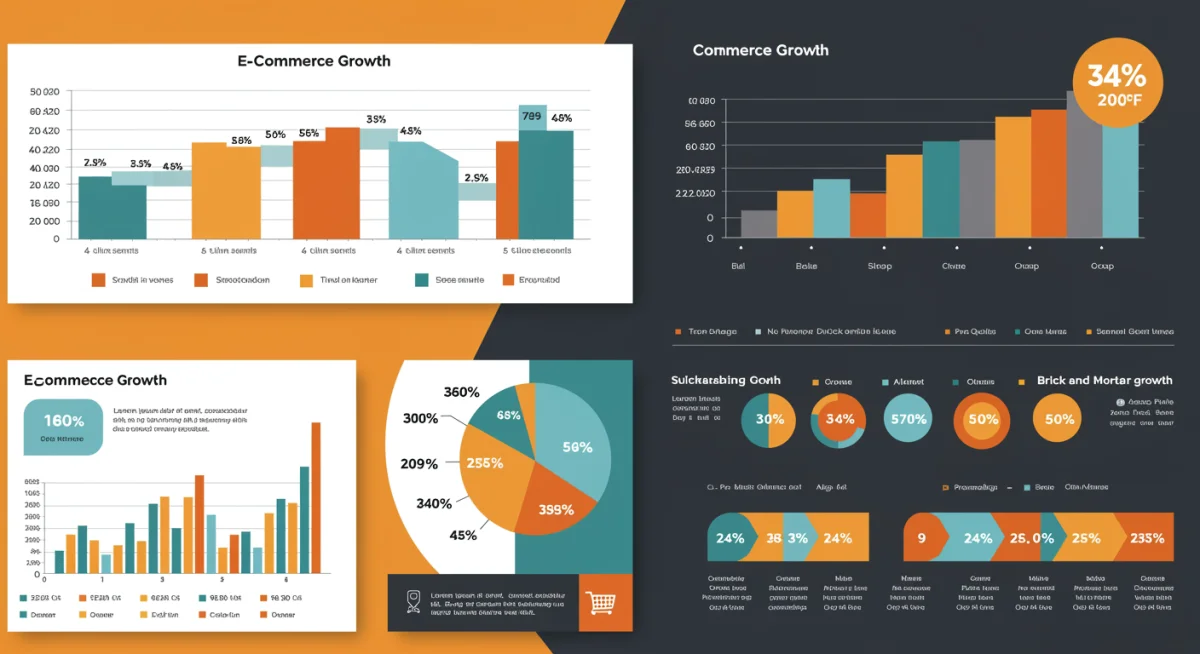
E-commerce vs. Brick-and-Mortar: Shifting Preferences
The perennial debate between online and in-person shopping continued to evolve in Q4 2024, with both channels demonstrating unique strengths and challenges. Consumers exhibited a blended approach, leveraging the conveniences of e-commerce while still valuing the experiential aspects of physical retail.
Online sales saw continued growth, driven by enhanced digital experiences, faster delivery options, and the sheer breadth of product availability. However, brick-and-mortar stores, particularly those focused on personalized service or unique offerings, proved resilient, drawing shoppers seeking immediate gratification and social engagement.
Digital Dominance and Physical Resilience
- E-commerce Growth: Online platforms capitalized on holiday shopping, offering exclusive deals and seamless checkout processes, reinforcing their position as a primary purchasing channel.
- In-Store Experiences: Physical stores focused on creating engaging environments, from personalized styling services to interactive product demonstrations, to entice shoppers back into their spaces.
- Omnichannel Integration: Retailers with strong omnichannel strategies, allowing for seamless transitions between online research and in-store pickup, reported the most success in meeting diverse consumer needs.
The data suggests that rather than a complete shift to one channel, consumers are becoming more sophisticated in their approach, choosing the channel that best suits their immediate needs and preferences for a particular purchase. This hybrid model demands that retailers invest in both digital infrastructure and compelling physical store concepts.
Ultimately, the Q4 2024 landscape underscored that successful retail strategies must be channel-agnostic, focusing instead on delivering a consistent, high-quality customer journey regardless of the touchpoint.
Discretionary vs. Essential Spending: A Clear Divide
One of the most telling indicators of economic sentiment in Q4 2024 was the pronounced divergence between discretionary and essential spending. Consumers, facing persistent economic uncertainties, became increasingly strategic, prioritizing necessities while carefully considering non-essential purchases.
Sectors like groceries, utilities, and healthcare maintained stable demand, reflecting their indispensable nature. Conversely, categories such as luxury goods, high-end electronics, and travel often saw more volatile performance, with consumers either delaying purchases or opting for more budget-friendly alternatives.
Budgeting and Value-Seeking Behavior
The emphasis on value became a dominant theme across all income brackets. Consumers were more likely to compare prices, seek out discounts, and gravitate towards private label brands, even for items traditionally associated with national brands. This shift indicates a heightened awareness of budgeting and a desire to maximize every dollar spent.
This trend of prioritizing essential goods and seeking value in discretionary purchases is not merely a short-term reaction but potentially a more enduring behavioral change. Retailers in the discretionary sector must innovate to justify their price points and demonstrate clear, tangible benefits to attract cautious consumers.
In summary, Q4 2024 highlighted a clear bifurcation in spending, with essential categories remaining robust and discretionary purchases subject to greater scrutiny, driven by a pervasive value-seeking mindset among consumers.
Technological Impact on Spending: Digital Wallets and AI
Technology continued to reshape consumer spending habits in Q4 2024, particularly through the widespread adoption of digital payment methods and the subtle influence of artificial intelligence. These innovations streamlined the shopping experience, making transactions faster, more convenient, and often more personalized.
Digital wallets, contactless payments, and buy-now-pay-later (BNPL) options gained further traction, especially among younger demographics. These technologies not only simplified the checkout process but also offered consumers greater flexibility in managing their finances.
AI-Driven Personalization and Convenience
- Personalized Recommendations: AI algorithms powered increasingly sophisticated recommendation engines, guiding consumers toward products tailored to their preferences and past purchases.
- Streamlined Payments: Digital wallets and one-click checkout options reduced friction in the purchasing process, encouraging more frequent and larger transactions.
- BNPL Adoption: The flexibility of BNPL services allowed consumers to manage larger purchases more comfortably, impacting sales volumes in categories like electronics and home goods.
The integration of AI also extended to customer service, with AI-powered chatbots providing instant support and enhancing the overall online shopping experience. This technological advancement is not just about convenience; it’s about creating a more intuitive and responsive retail environment that anticipates and meets consumer needs proactively.
Ultimately, technology in Q4 2024 served as a critical enabler for consumer spending, offering both convenience and personalized experiences that resonated with modern shoppers. Retailers who invested in these digital tools saw a tangible return in engagement and sales.
Projections for Retail Sector Performance in Early 2025
Looking ahead to early 2025, the retail sector is poised for a period of continued adaptation, building on the trends observed in Q4 2024. While growth may remain moderate, strategic adjustments by retailers will be crucial for success in an evolving economic landscape.
We anticipate a continued focus on value and convenience, with consumers remaining acutely aware of their budgets. Retailers who can effectively communicate their value proposition and offer flexible shopping options are likely to outperform their competitors.
Anticipated Trends and Challenges
- Sustained Value Focus: Consumers will likely continue prioritizing products that offer long-term value and durability over fleeting trends.
- Experience Economy: Retailers offering unique in-store experiences or personalized services will likely attract more foot traffic and foster stronger brand loyalty.
- Supply Chain Optimization: Continued efforts to optimize supply chains will be essential to manage costs and ensure product availability, directly impacting consumer pricing and satisfaction.
The early months of 2025 will also test the resilience of smaller businesses against larger, more established players. Agility and the ability to pivot quickly in response to market shifts will be key differentiators. Furthermore, sustainability and ethical sourcing will likely gain more prominence in consumer purchasing decisions, pushing retailers to integrate these values into their brand identity.
In conclusion, early 2025 will demand strategic foresight from the retail sector, with an emphasis on value, enhanced customer experiences, and operational efficiency to navigate a discerning consumer market effectively.
Economic Factors Shaping 2025 Retail Outlook
The economic environment will undeniably be the primary driver of retail performance in early 2025. Factors such as inflation trajectories, interest rate policies, and the stability of the labor market will collectively shape consumer spending habits and, consequently, the retail landscape.
Analysts project a gradual easing of inflation, which could provide some relief to consumer budgets, potentially freeing up more funds for discretionary spending later in the year. However, the impact of previous inflationary periods means that consumers will likely remain cautious.
Key Economic Indicators to Watch
The Federal Reserve’s stance on interest rates will be pivotal. Any adjustments, whether increases or decreases, will ripple through the economy, affecting everything from credit card debt to mortgage payments, and ultimately, consumer confidence and spending capacity. A stable or improving labor market, characterized by low unemployment and moderate wage growth, will be essential to sustain consumer purchasing power.
Geopolitical events and global economic shifts also bear watching, as they can quickly impact commodity prices, supply chains, and overall economic sentiment. Retailers must be prepared for potential external shocks and build resilient business models.
- Inflation Outlook: A continued moderation in inflation could boost real wages and consumer purchasing power, albeit gradually.
- Monetary Policy: Federal Reserve decisions on interest rates will influence credit availability and consumer borrowing costs.
- Employment Trends: A robust job market supports consumer confidence and provides the financial stability necessary for sustained spending.
The interplay of these macroeconomic variables will dictate the pace and nature of retail growth in early 2025. Businesses that closely monitor these indicators and adapt their strategies accordingly will be best positioned for success.
In essence, the retail outlook for early 2025 is inextricably linked to broader economic trends, necessitating a keen awareness of macroeconomic shifts for effective strategic planning.
| Key Trend | Brief Description |
|---|---|
| Cautious Spending | Consumers prioritize value and essentials due to ongoing economic pressures. |
| Omnichannel Retail | Seamless integration of online and in-store experiences is crucial for retailers. |
| Tech Integration | Digital payments and AI-driven personalization enhance the shopping journey. |
| Economic Sensitivity | Inflation, interest rates, and employment will heavily influence 2025 retail. |
Frequently Asked Questions
Consumer spending in Q4 2024 was primarily driven by a mix of holiday demand and cautious budgeting. Inflationary pressures, moderating but still present, led consumers to seek value, while a stable job market provided a baseline of confidence for essential purchases.
E-commerce continued its growth trajectory in Q4 2024, leveraging convenience and digital promotions. Brick-and-mortar stores demonstrated resilience by focusing on experiential shopping and personalized services. Retailers with strong omnichannel strategies performed best, blending both effectively.
Early 2025 retail trends point towards continued consumer focus on value, enhanced demand for seamless omnichannel experiences, and the increasing influence of technology like AI for personalization. Retailers must adapt to these shifts to maintain competitive edge.
Moderating inflation in 2025 could gradually boost consumer purchasing power. However, persistent higher interest rates might continue to affect borrowing and discretionary spending, leading consumers to remain cautious and prioritize essential goods and services.
Technology will continue to be transformative, with digital payment solutions and AI-driven personalization enhancing convenience and efficiency. This will foster more informed and streamlined shopping experiences, influencing where and how consumers choose to spend their money.
Conclusion
The comprehensive review of consumer spending habits in Q4 2024 reveals a dynamic and often complex economic landscape, setting a cautious yet adaptive tone for the retail sector in early 2025. Consumers are more discerning than ever, driven by a persistent need for value and convenience amidst ongoing economic adjustments. Retailers who prioritize strong omnichannel strategies, leverage technological advancements for personalization, and remain acutely aware of macroeconomic shifts will be best positioned to thrive. The coming months will undoubtedly challenge the agility and innovation of businesses, but also offer significant opportunities for those who can genuinely connect with evolving consumer needs and expectations.