Digital Content Strategies: Dominating US Audiences This Quarter
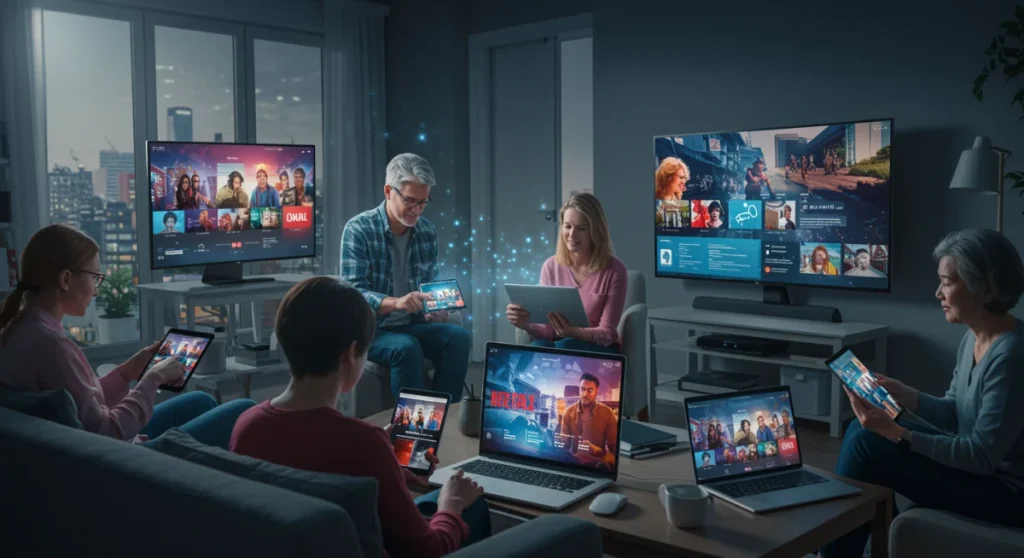
Four pivotal digital content strategies—interactive experiences, hyper-personalization, short-form video, and immersive storytelling—are currently dominating U.S. media and entertainment audiences by fostering deeper engagement and capturing evolving consumption habits.
In the dynamic landscape of U.S. media and entertainment, understanding audience engagement is paramount. This quarter, a clear pattern emerges, highlighting how strategic approaches to digital content are not just capturing attention but actively shaping consumption habits. The focus is squarely on innovative methods that resonate deeply with diverse demographics, pushing the boundaries of traditional media. We delve into the four most impactful digital content strategies currently dominating U.S. audiences, examining their mechanisms and why they are succeeding.
The rise of interactive content experiences
The days of passive consumption are rapidly fading. U.S. audiences, particularly younger demographics, are no longer content with merely watching or listening; they demand participation. This shift has propelled interactive content to the forefront of digital strategy, transforming how stories are told and experiences are delivered across platforms.
Interactive experiences empower users, giving them a sense of agency within the content. This could manifest in various forms, from choosing narrative paths in a series to participating in live polls during a broadcast. The key is to move beyond a one-way communication model and foster a dialogue between content creator and consumer.
Engaging through choice and participation
Content creators are leveraging technology to build these interactive layers. This often involves intricate planning to ensure seamless user experience and meaningful engagement.
- Choose-your-own-adventure narratives: Popularized by streaming services, these allow viewers to dictate plot directions, leading to multiple viewing experiences and increased re-watchability.
- Live interactive broadcasts: Audiences can influence outcomes, ask questions, and even contribute content in real-time, blurring the lines between spectator and participant.
- Gamified content: Integrating game-like elements such as quizzes, challenges, and rewards within non-gaming content keeps users actively involved and motivated.
The success of interactive content lies in its ability to create a personalized journey for each user, fostering a deeper connection and sense of ownership over the experience. This engagement translates into longer viewing times and increased loyalty, crucial metrics in today’s competitive digital arena.
Hyper-personalization: tailoring content to individual tastes
In an era of overwhelming choice, generic content struggles to stand out. U.S. audiences now expect experiences meticulously crafted to their unique preferences. Hyper-personalization, driven by sophisticated data analytics and AI, is no longer a luxury but a fundamental expectation in digital content delivery.
This strategy goes far beyond simple recommendations based on past views. It involves analyzing intricate behavioral patterns, demographic data, and even real-time emotional responses to deliver content that feels uniquely curated for each individual. The goal is to anticipate desires and present relevant options before the user even articulates them.
Data-driven content curation
Achieving hyper-personalization requires robust technological infrastructure and a deep understanding of audience data. Companies invest heavily in algorithms that can process vast amounts of information and translate it into actionable content strategies.
Streaming platforms, social media giants, and even news outlets are employing these techniques with remarkable success. By understanding what resonates with specific user segments, they can optimize everything from content recommendations to advertising placements, ensuring maximum relevance.
- Algorithmic recommendations: Advanced AI suggests films, shows, music, or articles based on viewing history, genre preferences, and even time of day.
- Dynamic content delivery: Adapting content elements like headlines, thumbnails, or even introductory scenes based on user profiles to maximize appeal.
- Personalized user interfaces: Customizing the layout and presentation of content within an application or website to suit individual navigation and discovery habits.
Hyper-personalization fosters a sense of being understood and valued by the content provider, leading to increased satisfaction and reduced churn. It transforms the vast digital content ocean into a curated, manageable stream perfectly aligned with individual tastes.
The dominance of short-form video
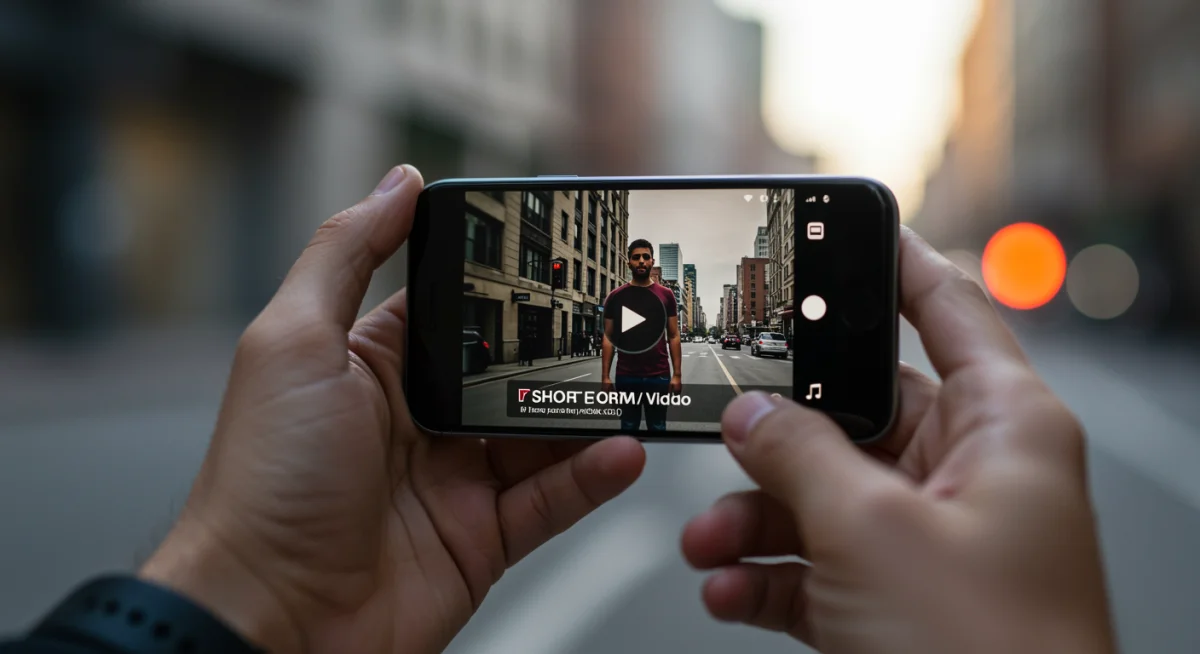
The attention economy is fiercely competitive, and U.S. audiences, especially younger generations, have demonstrated a clear preference for digestible, impactful content. Short-form video has exploded onto the scene, becoming a dominant force in media and entertainment due to its immediate gratification and ease of consumption.
Platforms like TikTok, Instagram Reels, and YouTube Shorts have capitalized on this trend, creating ecosystems where creators can rapidly produce and disseminate engaging content. This format excels at capturing fleeting attention spans, delivering entertainment, information, or inspiration in mere seconds or minutes.
The appeal of short-form video lies in its versatility and accessibility. It can be consumed almost anywhere, anytime, providing quick bursts of engagement that fit seamlessly into busy lifestyles. From educational snippets to comedic skits, the possibilities are endless.
Maximizing impact in minimal time
Effective short-form video relies on strong hooks, concise storytelling, and high production value, even on a small scale. Creators must master the art of conveying a message or eliciting an emotion quickly.
- Vertical video optimization: Content is designed specifically for mobile viewing in portrait mode, enhancing the native smartphone experience.
- Trend-driven content: Leveraging viral challenges, sounds, and memes to create highly shareable and discoverable videos.
- Authenticity and relatability: Often, raw, unpolished content resonates more deeply, fostering a sense of genuine connection with the creator.
The rapid consumption cycle of short-form video fuels its virality, allowing content to spread quickly across networks. For brands and creators, it offers an unparalleled opportunity for broad reach and direct engagement with a massive audience, making it an indispensable component of modern digital content strategies.
Immersive storytelling: beyond the screen
As technology advances, so too does the capacity for storytelling to transcend traditional boundaries. Immersive storytelling represents a cutting-edge digital content strategy that plunges U.S. audiences into narratives, blurring the line between observer and participant through virtual, augmented, and mixed reality experiences.
This approach moves beyond passive viewing, creating environments where users feel truly present within the story. It leverages sensory input to evoke stronger emotional responses and deeper cognitive engagement, offering a richer, more memorable experience than conventional media.
Technologies driving immersive narratives
While still evolving, the technologies underpinning immersive storytelling are becoming more accessible and sophisticated, opening new avenues for creators in various sectors of media and entertainment.
From gaming to educational content and even live events, the application of immersive techniques is expanding rapidly. The investment in these technologies signals a long-term commitment to a future where content is not just consumed but experienced.
- Virtual reality (VR): Fully simulated environments transport users into different worlds, offering unprecedented levels of presence and interaction.
- Augmented reality (AR): Overlaying digital information onto the real world through devices like smartphones or smart glasses, enhancing everyday experiences.
- Interactive audio experiences: Using spatial audio and dynamic soundscapes to create a sense of being within a story, often without visual components.
Immersive storytelling holds the promise of revolutionizing entertainment by delivering unparalleled levels of engagement and emotional resonance. As hardware becomes more ubiquitous and content creation tools more intuitive, these strategies will only grow in prominence, defining the next generation of digital experiences.
Community building and user-generated content
Beyond the content itself, the platforms that foster community and enable user-generated content (UGC) are becoming incredibly influential. U.S. audiences are not just consumers; they are also creators and collaborators. This strategy taps into the innate human desire for connection and self-expression, transforming passive viewers into active participants and brand advocates.
Platforms that successfully integrate UGC and robust community features cultivate loyalty and create self-sustaining ecosystems. This approach decentralizes content creation, allowing a diverse range of voices to contribute and enriching the overall media landscape. It also provides a constant stream of fresh, authentic content that often resonates more deeply with peers than professionally produced material.
Empowering the audience as creators
The power of UGC lies in its authenticity and relatability. When users see content created by people like them, it fosters a stronger sense of trust and community.
Successful implementation requires intuitive tools, clear guidelines, and effective moderation to maintain a positive and engaging environment. Companies are increasingly recognizing the value of nurturing these communities, not just as sources of content but as vital feedback loops for product development and strategic direction.
- Fan-fiction and fan-art platforms: Dedicated spaces where enthusiasts can create and share content based on existing franchises, deepening their engagement.
- Live streaming and vlogging: Empowering individuals to broadcast their lives, talents, and opinions, building direct relationships with their audience.
- Collaborative content creation tools: Features that allow multiple users to contribute to a single piece of content, fostering shared experiences and collective creativity.
By embracing community building and UGC, media and entertainment companies can transform their audience from mere consumers into integral parts of their creative and communicative processes, fostering unparalleled loyalty and organic growth.
The convergence of content and commerce
The final dominant strategy observed in the U.S. media and entertainment landscape this quarter is the seamless integration of content and commerce. No longer are these two realms separate; increasingly, digital content serves as a direct pathway to consumer action, from purchasing products to subscribing to services.
This approach, often termed ‘shoppable content’ or ‘social commerce,’ leverages the inherent engagement of entertainment to drive economic activity. By reducing friction between discovery and purchase, companies are creating more efficient and enjoyable consumer journeys, capitalizing on moments of high interest and emotional connection.
From entertainment to transaction
The success of content-commerce convergence relies on subtle integration and a value-driven proposition. The commercial aspect should enhance, rather than detract from, the entertainment experience.
This strategy is particularly effective on platforms where audiences are already highly engaged, such as social media and live streaming. The immediacy of these environments allows for instant gratification, transforming viewer curiosity into concrete sales or subscriptions.
- In-stream shopping: Integrating direct purchase links or product showcases within live broadcasts or video content, allowing viewers to buy items as they watch.
- Influencer marketing with direct links: Collaborating with personalities who promote products or services directly within their content, often with exclusive discount codes.
- Subscription model integration: Offering exclusive content or early access to products as part of a premium subscription, bundling entertainment with value.
The convergence of content and commerce represents a powerful evolution in digital strategy, transforming entertainment platforms into vibrant marketplaces. This not only opens new revenue streams for content creators but also provides a more streamlined and enjoyable shopping experience for the U.S. audience, reflecting a more holistic approach to digital engagement.
| Strategy | Brief Description |
|---|---|
| Interactive Experiences | Content allowing user participation, influencing narratives or outcomes, enhancing engagement. |
| Hyper-personalization | Tailoring content precisely to individual user preferences using advanced data analytics. |
| Short-form Video | Concise, impactful video content optimized for quick consumption on mobile devices. |
| Immersive Storytelling | Utilizing VR/AR to place users within narratives, creating deeply engaging experiences. |
Frequently asked questions about digital content strategies
A successful digital content strategy today is characterized by its ability to engage audiences deeply, often through personalization and interactivity. It leverages data to understand user preferences, adapts to evolving consumption habits like short-form video, and fosters community, moving beyond mere viewership to active participation and loyalty.
Short-form video’s popularity stems from its ability to deliver quick, impactful entertainment or information that fits easily into busy schedules. Its mobile-first design, rapid consumption cycle, and often authentic, trend-driven nature make it highly engaging and shareable, particularly among younger demographics who seek immediate gratification.
Hyper-personalization enhances engagement by making content feel uniquely tailored to individual tastes, reducing discovery friction. By analyzing user data, platforms can recommend highly relevant content, customize interfaces, and even adapt content elements, fostering a sense of being understood and valued, which increases satisfaction and loyalty.
Immersive storytelling, utilizing VR, AR, and interactive audio, represents the future of media by offering unparalleled levels of presence and emotional connection. It transforms passive viewing into active experiencing, allowing users to step inside narratives. As technology advances, it will redefine entertainment, education, and even social interaction, creating deeper, more memorable engagements.
Absolutely. Community building is crucial as it transforms audiences into active participants and advocates. By fostering platforms for user-generated content and interaction, companies gain authentic content, valuable feedback, and heightened loyalty. This decentralized approach creates self-sustaining ecosystems where users feel invested, driving organic growth and deeper engagement.
Conclusion
The media and entertainment landscape in the U.S. is in constant flux, driven by technological innovation and evolving audience expectations. The four dominant digital content strategies—interactive experiences, hyper-personalization, short-form video, and immersive storytelling—are not merely trends but foundational shifts in how content is created, distributed, and consumed. Companies that successfully integrate these approaches are not just capturing attention; they are building deeper connections, fostering loyalty, and ultimately, shaping the future of digital entertainment. As we move forward, adaptability, user-centric design, and technological foresight will remain paramount for any entity aiming to thrive in this vibrant and competitive sector.