Metaverse Economy: $500M US Virtual Assets by 2025
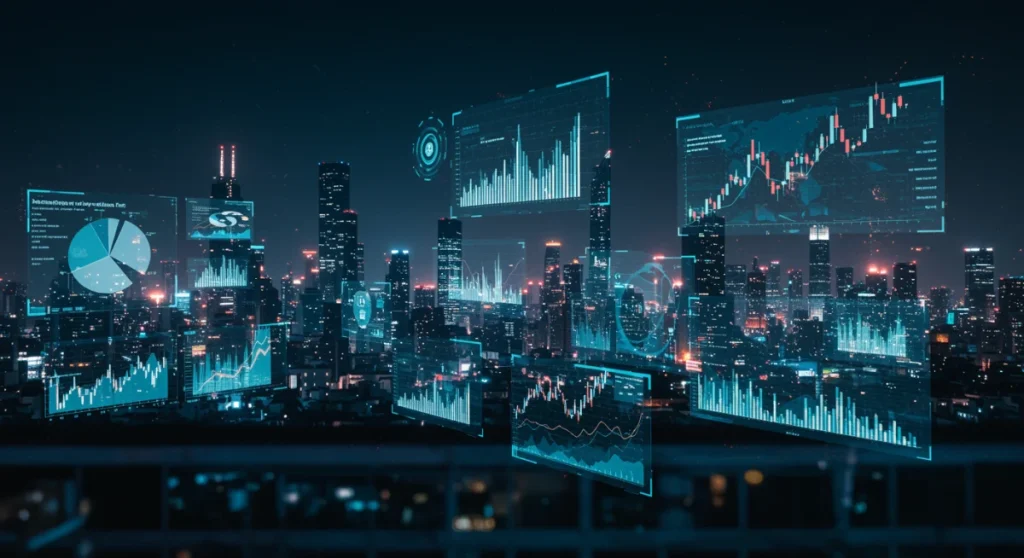
Early adopters are fueling a significant expansion of the metaverse economy, projected to generate an astonishing $500 million in US virtual assets by 2025, reshaping digital commerce and investment landscapes.
The rise of the metaverse is no longer a futuristic concept but a burgeoning reality reshaping our digital interactions and economies. As early adopters increasingly engage, the metaverse economy is projected to generate $500 million in US virtual assets by 2025, marking a pivotal moment in digital finance and ownership.
Understanding the Metaverse Economic Landscape
The metaverse, a persistent, interconnected set of virtual spaces, is rapidly evolving into a complex economic ecosystem. This digital frontier allows users to interact, socialize, and conduct commerce in ways previously confined to science fiction. Its economic potential stems from the creation, ownership, and exchange of virtual assets.
This new economy is built on foundational technologies like blockchain, non-fungible tokens (NFTs), and decentralized finance (DeFi), which together enable secure transactions and verifiable ownership within virtual worlds. The shift from traditional online interactions to immersive, persistent digital environments is unlocking unprecedented value.
Key Components of Metaverse Assets
Virtual assets within the metaverse encompass a wide array of digital items, each holding unique value and utility. Understanding these components is crucial for anyone looking to engage with this emerging market.
- Virtual Land: Digital parcels of property within metaverse platforms, bought and sold for various purposes.
- NFTs: Unique digital items representing ownership of art, collectibles, in-game items, and more.
- Cryptocurrencies: Digital currencies used for transactions within metaverse ecosystems.
- Avatars and Wearables: Customizable digital representations and accessories that users own and trade.
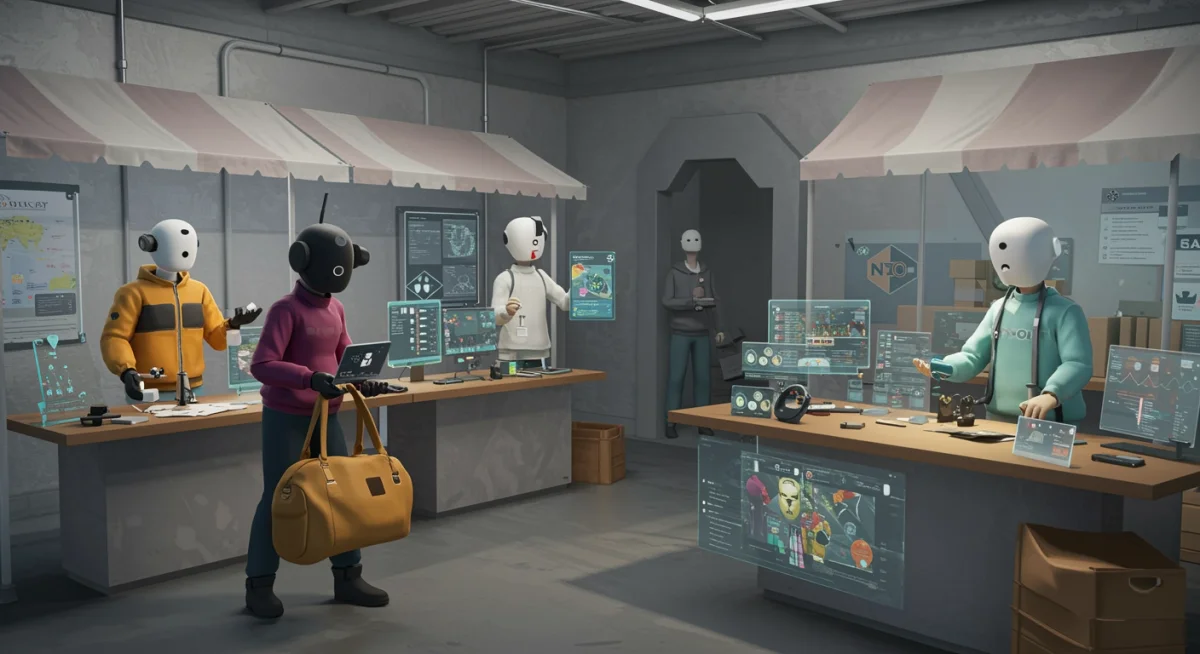
The confluence of these elements creates a vibrant marketplace where digital goods and services are exchanged, leading to real-world economic impact. This dynamic environment fosters new business models and investment opportunities.
Early Adopters and Their Impact on Growth
The remarkable projection of $500 million in US virtual assets by 2025 is largely attributable to the pioneering efforts of early adopters. These individuals and organizations are not merely participants; they are active architects of the metaverse’s economic framework.
Early adopters include tech-savvy individuals, innovative brands, and forward-thinking investors who recognize the potential of virtual worlds. Their willingness to invest time, creativity, and capital into this nascent space is accelerating its development and mainstream acceptance. Their activities range from developing virtual experiences to speculating on digital real estate.
Strategies Employed by Pioneers
Several key strategies have allowed early adopters to capitalize on the metaverse’s potential, driving significant value creation.
- Digital Real Estate Investment: Acquiring virtual land in popular metaverse platforms, anticipating future demand and value appreciation.
- NFT Creation and Trading: Developing and exchanging unique digital collectibles and art, often fetching high prices.
- Virtual Event Hosting: Organizing concerts, conferences, and social gatherings within the metaverse, generating revenue through ticket sales and sponsorships.
- Developing Metaverse Experiences: Building games, applications, and interactive environments that attract users and create new monetization avenues.
These strategies highlight a diverse approach to value generation, demonstrating that success in the metaverse economy requires both technical understanding and creative vision. The collaborative nature of these ventures also fosters a sense of community and shared growth.
Investment Opportunities and Challenges
While the metaverse economy presents lucrative opportunities, it also comes with its share of challenges and risks. Investors must navigate a volatile and rapidly evolving landscape, making informed decisions crucial for success.
The potential for high returns attracts significant capital, but the speculative nature of many virtual assets means that investments can be highly volatile. Understanding the underlying technology and the specific metaverse platforms is essential for mitigating risks.
Navigating the Investment Landscape
Investors keen on the metaverse should consider a balanced approach, weighing potential gains against inherent risks. Diversification across different asset types and platforms can help manage exposure.
- Platform-Specific Tokens: Investing in the native cryptocurrencies of prominent metaverse platforms.
- Metaverse ETFs/Funds: Gaining exposure to a basket of metaverse-related companies and assets.
- Direct Asset Acquisition: Purchasing virtual land, NFTs, or other digital collectibles.
- Start-up Investments: Funding innovative companies building infrastructure or experiences within the metaverse.
Challenges include regulatory uncertainty, security vulnerabilities, and the rapid pace of technological change. However, for those willing to embrace these complexities, the rewards can be substantial, as evidenced by the projected growth in virtual assets.
Technological Foundations and Future Innovations
The robust growth of the metaverse economy is inextricably linked to advancements in underlying technologies. Blockchain, AI, and advanced graphics are not just buzzwords; they are the bedrock upon which this new digital frontier is being built.
Blockchain technology provides the immutable ledger for ownership and transactions, ensuring transparency and security. NFTs, powered by blockchain, enable true digital ownership, a fundamental concept for a thriving virtual economy. Artificial intelligence enhances user experiences, from hyper-realistic avatars to intelligent non-player characters (NPCs).
Driving Forces of Innovation
Ongoing technological innovations are continually expanding the capabilities and appeal of the metaverse, attracting more users and investors.
- Enhanced Interoperability: Efforts to allow assets and avatars to seamlessly move between different metaverse platforms.
- Advanced Graphics and VR/AR: More immersive and realistic experiences through improved rendering and hardware.
- Decentralized Autonomous Organizations (DAOs): New governance models empowering users to shape the future of virtual worlds.
- AI-Powered Content Creation: Tools that enable users to generate complex virtual assets and environments with greater ease.
These innovations are not only improving the user experience but also lowering the barriers to entry for creators and entrepreneurs. As these technologies mature, the metaverse will become even more accessible and economically viable.
Regulatory Landscape and Ethical Considerations
As the metaverse economy expands, regulatory bodies and policymakers are beginning to grapple with its implications. The decentralized and global nature of virtual worlds presents unique challenges for traditional legal and ethical frameworks.
Issues such as digital asset ownership, taxation of virtual transactions, intellectual property rights, and user privacy are coming to the forefront. Establishing clear guidelines is crucial for fostering trust and ensuring sustainable growth within the metaverse.
Addressing Key Concerns
A proactive approach to regulation and ethical considerations will be vital for the long-term success and widespread adoption of the metaverse economy.
- Intellectual Property: Protecting original creations and preventing infringement in virtual spaces.
- Data Privacy: Ensuring user data is handled responsibly and securely within metaverse platforms.
- Consumer Protection: Safeguarding users from scams, fraud, and predatory practices in virtual marketplaces.
- Market Stability: Developing mechanisms to prevent extreme volatility and manipulation of virtual assets.
Collaboration between technology developers, legal experts, and government agencies will be essential to create a regulatory environment that supports innovation while protecting users. A balanced approach will allow the metaverse to flourish responsibly.
Real-World Economic Impact and Future Outlook
The growth of the metaverse economy is not confined to digital realms; it has tangible real-world economic implications. The projected $500 million in US virtual assets by 2025 is a testament to this growing impact, influencing various sectors.
This includes job creation in areas like virtual world development, NFT artistry, and community management. Furthermore, traditional brands are finding new revenue streams and marketing opportunities within the metaverse, expanding their reach and engaging with younger demographics.
Transformative Economic Shifts
The metaverse is poised to drive significant economic shifts, creating new industries and redefining existing ones. Its influence will extend beyond tech and gaming.
- New Business Models: Emergence of virtual-first companies specializing in metaverse services and products.
- Reimagined Marketing: Brands leveraging virtual experiences for advertising and customer engagement.
- Education and Training: Immersive learning environments creating new opportunities for skill development.
- Remote Work Evolution: Virtual offices and collaborative spaces enhancing productivity and global connectivity.
The future outlook for the metaverse economy remains incredibly promising. As technology advances and adoption widens, the value generated from virtual assets is expected to continue its upward trajectory, making it an indispensable part of the global economy.
| Key Point | Brief Description |
|---|---|
| $500M Virtual Assets | Projected value of US virtual assets in the metaverse by 2025, driven by early adopters. |
| Early Adopter Impact | Pioneers are actively shaping the metaverse economy through investments in digital land, NFTs, and virtual experiences. |
| Core Technologies | Blockchain, NFTs, and AI are fundamental to secure ownership and vibrant interactions within virtual worlds. |
| Economic Transformation | The metaverse is creating new job markets, business models, and marketing avenues, impacting the real-world economy. |
Frequently Asked Questions About the Metaverse Economy
Virtual assets are digital items within metaverse platforms that users can own, buy, sell, and trade. These include virtual land, NFTs (non-fungible tokens) representing art or collectibles, cryptocurrencies for transactions, and customizable avatars and wearables. They hold real-world economic value.
Early adopters generate value through various strategies, including investing in virtual real estate, creating and trading NFTs, hosting virtual events, and developing immersive metaverse experiences. Their pioneering efforts establish new economic models and attract further investment and participation, accelerating growth.
Blockchain technology is fundamental to the metaverse economy, providing a decentralized and secure ledger for all transactions and ownership records. It enables the creation of NFTs for unique digital assets and powers cryptocurrencies, ensuring transparency, immutability, and verifiable ownership within virtual worlds.
Investing in metaverse assets carries risks such as high market volatility, regulatory uncertainty, potential security vulnerabilities, and rapid technological changes. The speculative nature of many virtual assets means that investments can be highly unpredictable, requiring thorough research and a balanced approach.
The metaverse economy will significantly impact traditional industries by creating new job markets, redefining marketing and advertising strategies, and opening new avenues for entertainment, education, and remote work. Brands are increasingly leveraging virtual spaces to engage consumers and expand their digital presence, fostering innovation.
Conclusion
The metaverse economy stands at the precipice of a transformative era, with early adopters spearheading a projected $500 million market in US virtual assets by 2025. This growth underscores a profound shift in how value is created, owned, and exchanged in digital spaces. While challenges remain, the innovative spirit driving this sector promises a future where virtual and real economies are increasingly intertwined, offering unprecedented opportunities for those willing to explore its vast potential.