U.S. Shipping Bottlenecks 2025: Mitigating Supply Chain Risks
Addressing U.S. shipping bottlenecks in 2025 necessitates a strategic focus on enhancing port infrastructure and resolving labor shortages to fortify the resilience and efficiency of the overall supply chain.
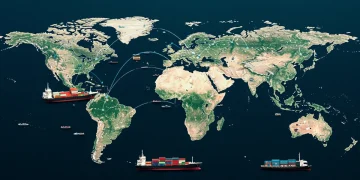
The intricate web of global commerce relies heavily on efficient logistics, yet the U.S. supply chain frequently grapples with persistent challenges. For businesses planning their 2025 operations, understanding and mitigating key U.S. shipping bottlenecks is not merely advantageous but imperative. This article delves into two primary chokepoints and explores actionable strategies to navigate these complexities, ensuring smoother, more predictable operations.
Understanding the evolving landscape of U.S. shipping
The U.S. shipping sector is a dynamic environment, constantly shaped by global economic shifts, technological advancements, and geopolitical events. Recent years have highlighted the fragility of this system, exposing vulnerabilities that can lead to significant disruptions. As we look towards 2025, understanding these foundational pressures is crucial for developing robust mitigation strategies.
Supply chain resilience has become a buzzword, but its practical application involves a deep dive into the operational realities of freight movement. From port operations to last-mile delivery, every segment presents unique challenges. The interconnectedness means a disruption in one area can cascade throughout the entire system, affecting lead times, costs, and ultimately, customer satisfaction.
Key drivers of current shipping challenges
Several factors contribute to the ongoing volatility within the U.S. shipping landscape. These elements often interact in complex ways, exacerbating bottlenecks and creating ripple effects across industries. Identifying these drivers helps pinpoint where interventions will be most effective.
- Increased consumer demand: The sustained surge in e-commerce has placed unprecedented pressure on logistics networks, demanding faster and more frequent deliveries.
- Geopolitical instabilities: International conflicts and trade disputes can reroute shipping lanes, impose new tariffs, and disrupt established supply chains, leading to delays and increased costs.
- Climate-related events: Extreme weather conditions, such as hurricanes, floods, and droughts, directly impact port operations, rail lines, and trucking routes, causing significant disruptions.
In conclusion, the U.S. shipping landscape is not static; it is a complex ecosystem influenced by a multitude of internal and external forces. Acknowledging these underlying dynamics is the first step toward effectively addressing the bottlenecks that will continue to challenge operations in 2025.
Bottleneck 1: Persistent port congestion
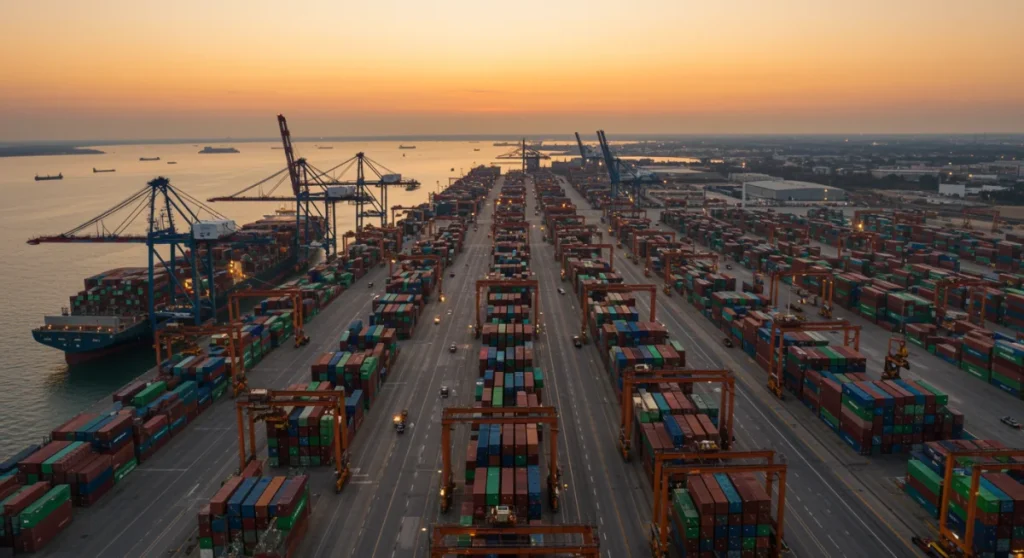
Port congestion remains a perennial challenge for the U.S. supply chain, significantly impacting efficiency and cost. The sheer volume of cargo, coupled with a lack of adequate infrastructure and operational fluidity, leads to ships idling offshore, delayed offloading, and extended transit times. This bottleneck has far-reaching consequences for businesses dependent on timely imports and exports.
The issue isn’t solely about the number of ships arriving; it’s also about the speed at which cargo can be processed and moved out of the port. Terminal capacity, equipment availability, and the coordination between various stakeholders—from shipping lines to drayage operators—all play critical roles in exacerbating or alleviating congestion.
Technological solutions for port efficiency
Leveraging technology is a powerful approach to combat port congestion. Digitalization offers avenues for better planning, real-time visibility, and optimized resource allocation, transforming how ports operate and manage their vast inventory of cargo.
- Port community systems (PCS): Integrated digital platforms that connect all stakeholders, enabling seamless information exchange and improving coordination.
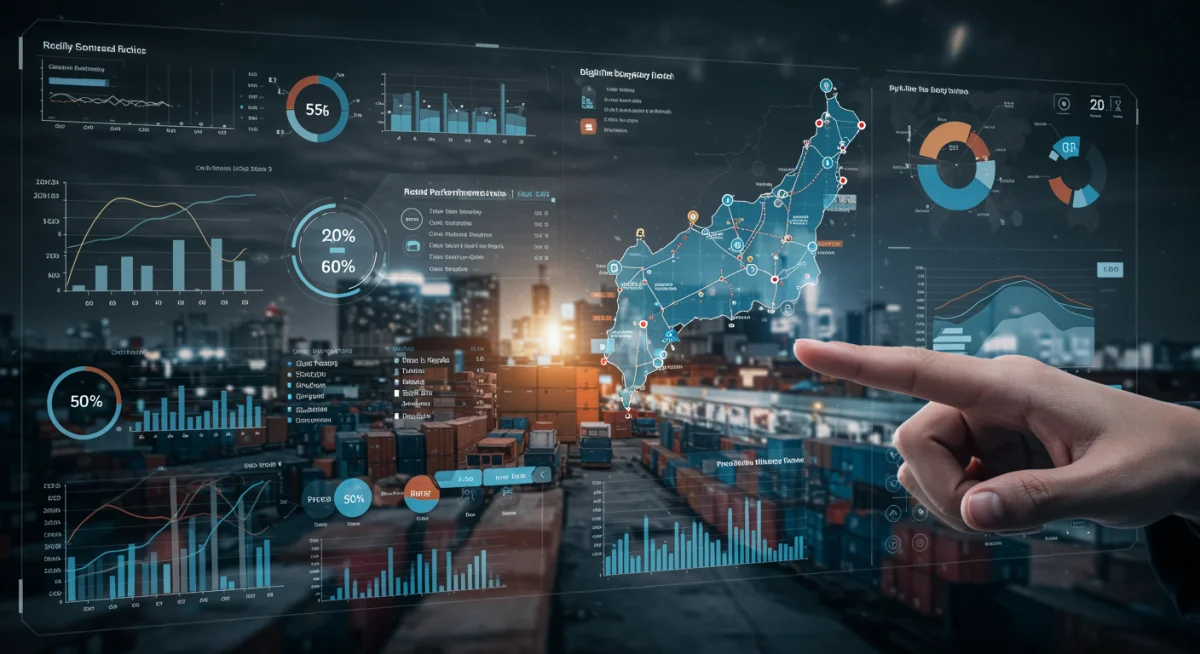
- AI-driven predictive analytics: Tools that forecast cargo volumes, vessel arrival times, and potential bottlenecks, allowing for proactive adjustments and resource allocation.
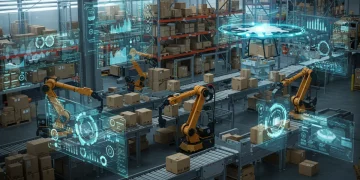
- Automated terminal operations: Robotics and automated guided vehicles (AGVs) can significantly speed up loading, unloading, and stacking processes, reducing human error and increasing throughput.
Beyond technology, strategic infrastructure investments are vital. Expanding berths, deepening channels, and upgrading crane technology can physically enhance a port’s capacity. Furthermore, improving intermodal connections, such as rail and road links, ensures that cargo moves efficiently once it leaves the port gates. Addressing port congestion requires a multi-faceted approach, combining technological innovation with strategic physical upgrades and improved operational coordination.
Bottleneck 2: Labor shortages across the supply chain
The second critical bottleneck hindering U.S. shipping operations is the pervasive labor shortage extending across various segments of the supply chain. This includes truck drivers, warehouse personnel, port workers, and even skilled technicians for equipment maintenance. A scarcity of labor directly translates to delayed shipments, reduced operational capacity, and increased costs, creating significant ripple effects throughout the economy.
The problem is complex, stemming from an aging workforce, changing demographics, and a lack of new entrants into these often physically demanding professions. The long hours, inconsistent schedules, and sometimes challenging working conditions associated with these roles contribute to recruitment and retention difficulties.
Strategies for attracting and retaining talent
Addressing labor shortages requires a comprehensive strategy focused on both attracting new talent and retaining experienced workers. This involves improving working conditions, offering competitive compensation, and investing in training and development programs.
- Enhanced training programs: Creating accessible and modern training pathways for new entrants, including apprenticeships and certifications, can build a skilled workforce.
- Improved compensation and benefits: Offering competitive wages, comprehensive health benefits, and retirement plans can make these roles more attractive and reduce turnover.
- Technological integration: While automation can reduce the need for some manual tasks, it also creates new roles requiring different skills, necessitating upskilling current employees and training new ones.
Beyond direct compensation, fostering a positive work environment, recognizing employee contributions, and providing opportunities for career advancement can significantly boost retention. The integration of technology, such as robotics in warehouses or advanced driver-assistance systems in trucks, can also make jobs safer and more appealing, thereby helping to mitigate the impact of labor shortages. Effectively tackling this bottleneck is essential for sustaining the flow of goods and maintaining supply chain integrity.
Investing in infrastructure and technology
To truly mitigate the impact of U.S. shipping bottlenecks, a concerted effort in infrastructure development and technological adoption is paramount. Outdated infrastructure, from dilapidated roads and bridges to insufficient port capacity, creates physical barriers to efficient freight movement. Simultaneously, a lack of investment in cutting-edge technology prevents the optimization of existing resources and processes.
Government and private sector collaboration is crucial here. Large-scale infrastructure projects often require significant capital and long-term planning, making public-private partnerships an effective model for driving necessary improvements. These investments not only alleviate current bottlenecks but also build future resilience into the supply chain.
Smart infrastructure development
Modernizing infrastructure goes beyond simply expanding existing facilities; it involves designing smart, interconnected systems that can adapt to changing demands. This includes integrating digital technologies from the ground up to enhance efficiency and visibility.
- Intermodal hubs: Developing and expanding facilities where cargo can seamlessly transfer between different modes of transport (e.g., ships to rail to trucks), reducing transit times and costs.
- Digital twins for infrastructure: Creating virtual models of physical infrastructure to simulate operations, identify potential bottlenecks, and optimize traffic flow before real-world implementation.
- Green infrastructure: Investing in sustainable infrastructure solutions that reduce the environmental impact of shipping while improving operational efficiency, such as electrified ports and charging stations for electric trucks.
Technological advancement, particularly in areas like AI, IoT, and blockchain, offers transformative potential. These technologies can provide real-time data, improve predictive capabilities, enhance transparency, and automate routine tasks, all contributing to a more agile and responsive supply chain. Strategic investment in both physical and digital infrastructure is a non-negotiable step towards a more resilient and efficient U.S. shipping network.
Enhancing supply chain visibility and agility
In an era defined by rapid change and unpredictable events, enhancing supply chain visibility and agility is no longer a luxury but a fundamental requirement for mitigating U.S. shipping bottlenecks. Visibility refers to the ability to track goods in real-time, from origin to destination, while agility speaks to the capacity of a supply chain to adapt quickly to disruptions and shifting market demands.
Without adequate visibility, businesses operate in the dark, unable to anticipate or react effectively to delays, lost shipments, or unexpected route changes. Agility, on the other hand, allows supply chains to pivot, reroute, and adjust strategies on the fly, minimizing the impact of disruptions and maintaining continuity of operations.
Tools for real-time tracking and adaptation
Various technological tools and strategic approaches can significantly boost both visibility and agility within the supply chain. These solutions empower businesses with the data and flexibility needed to navigate complex shipping environments.
- IoT sensors and GPS tracking: Providing granular, real-time data on cargo location, condition (temperature, humidity), and estimated arrival times.
- Blockchain technology: Creating immutable and transparent records of transactions and movements, enhancing trust and reducing disputes across the supply chain.
- Control towers: Centralized operational centers that provide an end-to-end view of the supply chain, enabling proactive decision-making and rapid response to incidents.
Furthermore, building robust relationships with multiple suppliers and carriers can provide alternative options during disruptions, enhancing agility. Diversifying sourcing locations and maintaining strategic inventory levels can also act as buffers against unexpected delays. Ultimately, a visible and agile supply chain is better equipped to absorb shocks, mitigate risks, and ensure the consistent flow of goods, even in the face of significant bottlenecks.
Collaboration and policy frameworks
Addressing complex issues like U.S. shipping bottlenecks effectively requires more than just individual company efforts; it demands strong collaboration across the supply chain ecosystem and supportive policy frameworks from government bodies. Fragmented approaches often lead to suboptimal outcomes, whereas coordinated strategies can unlock significant efficiencies and resilience.
Collaboration extends to sharing data, best practices, and even resources among competitors when it serves a common good, such as alleviating port congestion or optimizing freight movement. Policy frameworks, in turn, can provide the necessary regulatory environment, funding, and strategic direction to facilitate these collaborative efforts and drive systemic improvements.
The role of public-private partnerships
Public-private partnerships (PPPs) are essential mechanisms for driving large-scale improvements in infrastructure and operational efficiency. These partnerships leverage the strengths of both sectors to achieve common goals that neither could accomplish alone.
- Joint infrastructure funding: Governments and private entities can co-invest in critical projects like port expansions, intermodal facilities, and digital infrastructure upgrades.
- Standardization initiatives: Collaborative efforts to establish common data standards and interoperability protocols across different platforms and organizations, enhancing seamless information flow.
- Regulatory harmonization: Governments can work with industry stakeholders to streamline regulations, reduce administrative burdens, and create a more predictable operating environment for logistics providers.
Moreover, active engagement with industry associations and participation in forums dedicated to supply chain resilience can foster a shared understanding of challenges and facilitate collective problem-solving. Policy decisions related to trade, labor, and environmental regulations also significantly impact the shipping sector, underscoring the need for a coherent and supportive governmental approach. By fostering strong partnerships and implementing forward-thinking policies, the U.S. can build a more robust and responsive supply chain capable of overcoming future bottlenecks.
| Key Bottleneck | Mitigation Strategy |
|---|---|
| Port Congestion | Invest in smart port technology (AI, automation) and expand physical infrastructure. |
| Labor Shortages | Improve compensation, enhance training, and integrate automation to support workers. |
| Lack of Visibility | Implement IoT sensors, GPS tracking, and blockchain for real-time data and transparency. |
| Infrastructure Gaps | Foster public-private partnerships for intermodal hub and digital infrastructure development. |
Frequently asked questions about U.S. shipping bottlenecks
The main bottlenecks anticipated for 2025 include persistent port congestion due to rising cargo volumes and infrastructure limitations, along with widespread labor shortages affecting truck drivers, warehouse staff, and port workers. These issues combine to create delays and increase operational costs across the supply chain.
Technology can significantly reduce port congestion through port community systems for better coordination, AI-driven analytics for predictive scheduling, and automated terminal operations using robotics. These innovations streamline cargo handling, optimize resource allocation, and enhance overall port throughput efficiency.
Addressing labor shortages involves improving compensation and benefits, investing in comprehensive training and apprenticeship programs, and leveraging automation to make jobs safer and more efficient. Fostering a positive work environment and offering career advancement opportunities are also crucial for attracting and retaining talent.
Supply chain visibility is critical because it provides real-time tracking of goods, enabling businesses to anticipate and react quickly to disruptions. Tools like IoT sensors, GPS, and blockchain offer granular data, allowing for proactive decision-making and agile responses to unexpected delays or route changes, thereby minimizing their impact.
Public-private partnerships are vital for improving U.S. logistics by pooling resources for infrastructure investments, fostering standardization, and harmonizing regulations. They facilitate large-scale projects and collaborative initiatives that neither sector could achieve alone, leading to more resilient and efficient supply chain operations.
Conclusion
Navigating the complexities of U.S. shipping bottlenecks in 2025 demands a proactive, multi-faceted approach. By strategically investing in port infrastructure and advanced technologies, addressing persistent labor shortages through comprehensive talent strategies, and enhancing overall supply chain visibility and agility, businesses can build more resilient operations. Furthermore, fostering strong collaboration across stakeholders and advocating for supportive policy frameworks will be crucial in creating a robust and efficient logistics network capable of withstanding future disruptions. The goal is not just to react to challenges but to proactively shape a supply chain that is both adaptable and predictable for the years ahead.