Cybersecurity Demand: U.S. Enterprise Spending Poised for 20% Growth

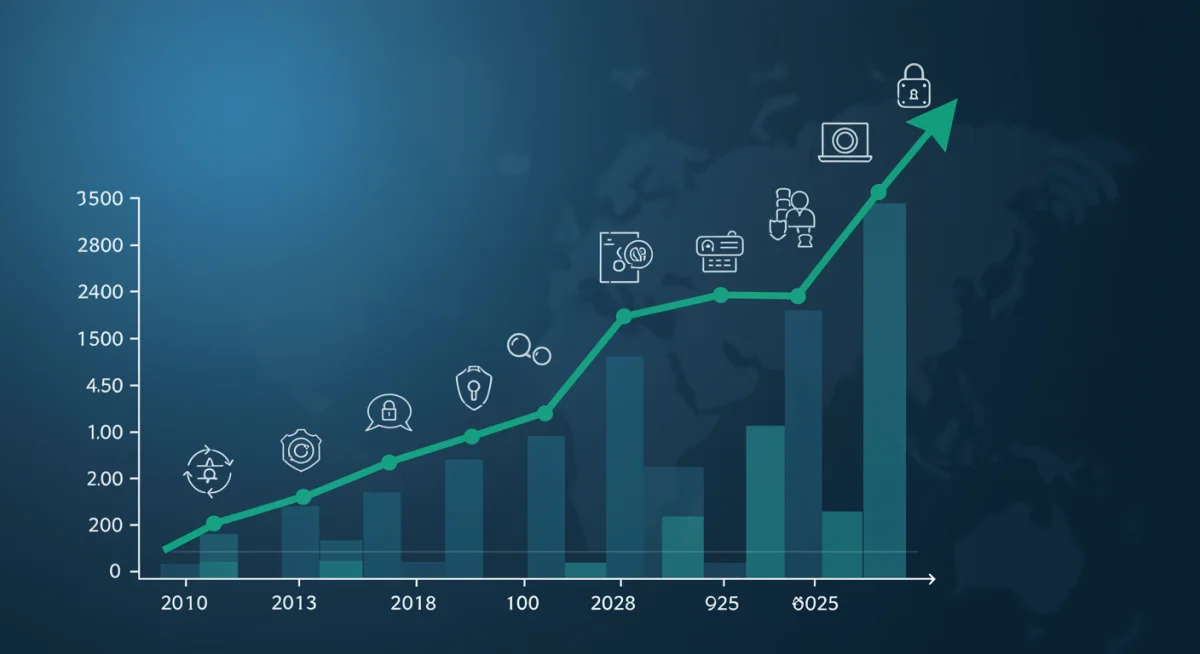
U.S. enterprise cybersecurity spending is projected to experience a robust 20% growth by the close of 2025, primarily driven by the escalating sophistication of cyber threats and an increasing emphasis on data protection.
The landscape of digital security is undergoing a profound transformation, with U.S. enterprise cybersecurity spending emerging as a critical indicator of this shift. As businesses navigate an increasingly complex threat environment, the need for robust protection has never been more urgent. This article delves into the factors propelling this significant growth and its implications for the future.
Understanding the Surge in Cybersecurity Investment
The projected 20% increase in U.S. enterprise cybersecurity spending by the end of 2025 is not merely a statistical anomaly; it reflects a fundamental re-evaluation of risk and a proactive stance against an ever-evolving adversary. Companies are no longer viewing cybersecurity as a mere IT expense but as a strategic imperative, directly impacting business continuity, reputation, and financial stability.
Several intertwined factors contribute to this accelerated investment. The sheer volume and sophistication of cyberattacks, ranging from ransomware to state-sponsored espionage, demand constant vigilance and advanced defensive measures. Furthermore, the rapid pace of digital transformation, cloud adoption, and the proliferation of remote workforces have expanded attack surfaces, necessitating more comprehensive security architectures.
The Evolving Threat Landscape
Cyber threats are dynamic, adapting to new technologies and vulnerabilities. What might have been considered a robust defense a few years ago is often insufficient today. This continuous arms race between attackers and defenders forces enterprises to continually upgrade their security postures.
- Ransomware Attacks: These remain a significant concern, capable of paralyzing operations and demanding substantial payouts.
- Supply Chain Attacks: Compromising a single vendor can have a cascading effect, impacting numerous organizations.
- Phishing and Social Engineering: Human error remains a primary vector for breaches, requiring advanced training and technological safeguards.
The financial and reputational costs associated with a data breach are substantial, often far exceeding the investment in preventative measures. This stark reality is driving executive boards to prioritize cybersecurity budgets like never before, understanding that the cost of inaction far outweighs the investment in protection.
In essence, the surge in cybersecurity investment is a direct response to a more dangerous digital world. Enterprises are recognizing that strong cybersecurity is not just about preventing attacks, but about ensuring resilience and maintaining trust with customers and stakeholders in an interconnected global economy.
Regulatory Pressures and Compliance Mandates
Beyond the direct threat of cyberattacks, a significant driver for increased cybersecurity spending comes from the ever-tightening web of regulatory requirements and compliance mandates. Governments and industry bodies are increasingly imposing stricter rules on how organizations handle sensitive data, forcing companies to invest heavily in robust security frameworks.
In the U.S., various federal and state regulations, such as HIPAA for healthcare, PCI DSS for financial transactions, and CCPA for consumer data privacy, stipulate stringent security controls. Non-compliance can result in hefty fines, legal battles, and severe damage to an organization’s reputation. This regulatory landscape acts as a powerful catalyst for enterprises to bolster their cybersecurity defenses, ensuring they meet legal obligations while protecting customer information.
Navigating Data Privacy Laws
Data privacy has become a paramount concern, influencing consumer trust and corporate responsibility. New laws are continually emerging, requiring businesses to adapt quickly.
- CCPA (California Consumer Privacy Act): Sets strict guidelines for how businesses handle the personal information of California residents.
- NYDFS Cybersecurity Regulation: Specifically targets financial services companies in New York, mandating comprehensive cybersecurity programs.
- Sector-Specific Regulations: Industries like critical infrastructure face specialized regulations to protect essential services from cyber threats.
The complexity of these regulations means that compliance is not a one-time effort but an ongoing process. Enterprises must continuously monitor changes in legislation, implement new controls, and conduct regular audits to ensure adherence. This necessitates dedicated resources, specialized personnel, and advanced security tools, all contributing to the upward trend in spending.
Ultimately, regulatory pressure transforms cybersecurity from a discretionary expenditure into a mandatory operational cost. Companies understand that failing to comply not only exposes them to legal and financial penalties but also erodes public trust, which is often harder to rebuild than any technical system.
The Impact of Digital Transformation on Security Budgets
The widespread adoption of digital transformation initiatives across U.S. enterprises is fundamentally reshaping their IT infrastructure and, consequently, their cybersecurity needs. As organizations embrace cloud computing, IoT, AI, and other emerging technologies, they unlock new efficiencies and capabilities, but simultaneously introduce new vulnerabilities and complexities that demand increased security investment.
Moving operations to the cloud, for instance, requires a shared responsibility model for security, where enterprises must secure their data and applications within the cloud environment, while the cloud provider secures the underlying infrastructure. This shift necessitates new skill sets, tools, and strategies for managing cloud security effectively. Similarly, the proliferation of IoT devices creates numerous new endpoints that must be protected from compromise, significantly expanding the attack surface.

Securing Cloud Environments
Cloud adoption is a cornerstone of modern enterprise strategy, yet it introduces unique security challenges that must be addressed proactively.
- Data Visibility: Ensuring comprehensive visibility into data stored and processed across various cloud services.
- Identity and Access Management: Implementing robust controls for who can access what, across distributed cloud resources.
- Configuration Management: Preventing misconfigurations that can lead to significant security vulnerabilities in cloud setups.
The integration of AI and machine learning into business processes also presents a dual challenge: securing AI systems from adversarial attacks and leveraging AI for enhanced threat detection and response. This dual nature means that digital transformation isn’t just about adopting new tech, but about embedding security deeply into the fabric of these new technologies from the outset.
Ultimately, digital transformation is a journey that requires continuous investment in cybersecurity. It’s about building security into every new initiative, rather than bolting it on as an afterthought, ensuring that innovation doesn’t come at the expense of protection.
Talent Shortages and the Rise of Managed Security Services
One of the most pressing challenges impacting U.S. enterprise cybersecurity spending is the persistent shortage of skilled cybersecurity professionals. The demand for qualified experts far outstrips the available supply, leading to increased salaries, recruitment difficulties, and an overall strain on internal security teams. This talent gap forces many organizations to seek external assistance, driving the growth of managed security services (MSSPs).
MSSPs offer a compelling solution for enterprises that lack the internal resources or expertise to manage complex cybersecurity operations. By outsourcing security functions such as threat monitoring, incident response, and vulnerability management, businesses can access a team of specialists and advanced security tools without the overhead of building and maintaining an in-house team. This trend is a significant contributor to the overall increase in cybersecurity expenditure, as companies pay for specialized services rather than direct employee salaries.
Addressing the Skill Gap
The cybersecurity talent shortage is a global issue, but its impact on U.S. enterprises is particularly acute, given the nation’s advanced digital economy.
- Recruitment Challenges: Finding experienced security analysts, engineers, and architects is increasingly difficult and costly.
- Retention Issues: High demand means skilled professionals often move between companies, seeking better opportunities.
- Training and Development: Investing in upskilling existing IT staff is a common strategy, but it requires time and resources.
The reliance on MSSPs allows organizations to scale their security operations quickly and efficiently, leveraging economies of scale and specialized knowledge that would be prohibitively expensive to develop internally. This strategic partnership ensures that enterprises can maintain a robust security posture even in the face of a challenging labor market.
In conclusion, the talent shortage acts as both a challenge and an opportunity within the cybersecurity market. It pushes enterprises to explore innovative solutions like MSSPs, ultimately contributing to the expanded spending as companies prioritize effective security over the difficulties of internal staffing.
Emerging Technologies and Proactive Security Measures
The projected growth in U.S. enterprise cybersecurity spending is also significantly influenced by the adoption of emerging security technologies and a shift towards more proactive defense strategies. Rather than simply reacting to breaches, organizations are increasingly investing in sophisticated tools that can predict, prevent, and rapidly respond to threats, minimizing potential damage.
Technologies such as Artificial Intelligence (AI) and Machine Learning (ML) are being integrated into security operations to enhance threat detection, automate responses, and analyze vast amounts of security data more efficiently than human analysts. Extended Detection and Response (XDR) platforms are gaining traction, offering a unified view across endpoints, networks, and cloud environments to provide comprehensive threat visibility. Furthermore, concepts like Zero Trust Architecture are moving from theoretical frameworks to practical implementations, fundamentally changing how access is granted and verified within an enterprise network.
Innovations in Cybersecurity Tools
The rapid pace of technological innovation in cybersecurity is providing enterprises with more powerful tools to combat sophisticated threats.
- AI-Powered Threat Detection: Machine learning algorithms can identify anomalous behavior and potential threats faster than traditional signature-based methods.
- Security Orchestration, Automation, and Response (SOAR): Automates repetitive security tasks and streamlines incident response workflows.
- Endpoint Detection and Response (EDR): Provides advanced monitoring and response capabilities for individual devices, offering deeper insights into endpoint activities.
This move towards proactive security also includes greater emphasis on threat intelligence, which involves collecting and analyzing information about potential threats to anticipate attacks. Enterprises are investing in platforms that provide real-time threat feeds and enable them to understand the tactics, techniques, and procedures (TTPs) of adversaries. This allows for a more strategic and informed approach to defense, moving beyond mere vulnerability patching to a more comprehensive risk management strategy.
Ultimately, the investment in emerging technologies and proactive measures reflects a maturing understanding of cybersecurity. Enterprises are realizing that a robust defense requires continuous innovation and a forward-looking approach to protect their assets from an increasingly intelligent and persistent adversary.
Economic Implications and Future Outlook
The projected 20% growth in U.S. enterprise cybersecurity spending by 2025 carries significant economic implications, not just for the cybersecurity sector itself but for the broader economy. This surge in investment indicates a robust and expanding market, fostering innovation, creating jobs, and driving economic activity within the technology landscape. For cybersecurity vendors, this translates into increased revenue opportunities, encouraging further research and development into next-generation security solutions.
Beyond the direct economic impact on the security industry, increased cybersecurity spending also contributes to greater economic stability and resilience for all businesses. By reducing the risk of costly data breaches and operational disruptions, robust cybersecurity enables enterprises to operate more securely, protect intellectual property, and maintain consumer trust, all of which are vital for sustained economic growth. A secure digital infrastructure is increasingly recognized as a foundational element for a thriving modern economy.
Market Growth and Investment Opportunities
The expanding cybersecurity market presents numerous opportunities for investors and businesses alike, signaling a period of sustained growth.
- Venture Capital Influx: Increased investment in cybersecurity startups focusing on niche solutions and emerging threats.
- Mergers and Acquisitions: Consolidation within the industry as larger players acquire innovative smaller companies to expand their portfolios.
- Job Creation: A continuous demand for skilled professionals across various cybersecurity roles, from analysts to engineers and architects.
The future outlook for U.S. enterprise cybersecurity spending suggests a sustained upward trajectory. As digital transformation continues, and new threats emerge, the need for advanced security will only intensify. This trend is likely to be reinforced by evolving regulatory frameworks that will continue to push for higher security standards. Enterprises that strategically invest in cybersecurity will not only protect their assets but also position themselves for long-term success in an increasingly interconnected and threat-filled world.
In summary, the economic landscape is being reshaped by the imperative of cybersecurity. This growth is a testament to the critical role security plays in modern business operations, promising a future where digital resilience is a cornerstone of economic prosperity.
| Key Factor | Brief Description |
|---|---|
| Evolving Threats | Increasing sophistication and volume of cyberattacks (ransomware, supply chain) drive urgent investment. |
| Regulatory Compliance | Strict data protection laws (HIPAA, CCPA) mandate robust security, avoiding hefty fines. |
| Digital Transformation | Cloud adoption, IoT, and remote work expand attack surfaces, requiring new security strategies. |
| Talent Shortage | Lack of skilled professionals boosts reliance on Managed Security Service Providers (MSSPs). |
Frequently Asked Questions About Cybersecurity Spending
Spending is surging due to escalating cyber threats like ransomware, stringent regulatory compliance mandates, the expansion of digital transformation initiatives, and a critical shortage of skilled cybersecurity professionals. These factors collectively compel businesses to invest more in protecting their digital assets and operations.
The primary threats driving increased spending include sophisticated ransomware attacks, supply chain vulnerabilities that can compromise multiple entities, and persistent phishing campaigns exploiting human error. State-sponsored attacks and insider threats also contribute significantly to the perceived risk landscape for enterprises.
Regulations such as HIPAA, CCPA, and NYDFS Cybersecurity Regulation impose strict requirements for data protection. Non-compliance can lead to substantial fines and reputational damage, making cybersecurity investments a mandatory operational cost rather than an optional expense for many U.S. enterprises.
Emerging technologies like AI, machine learning, and XDR platforms are crucial. Enterprises invest in these for enhanced threat detection, automated responses, and proactive security measures. Digital transformation initiatives, including cloud adoption and IoT, also expand attack surfaces, necessitating significant investment in securing new digital frontiers.
The long-term outlook is for sustained growth. As digital transformation accelerates and cyber threats evolve, the need for robust security solutions will only increase. This trend is expected to be reinforced by ongoing regulatory developments and the increasing recognition of cybersecurity as a fundamental business imperative for economic stability.
Conclusion
The projected 20% growth in U.S. enterprise cybersecurity spending by the end of 2025 is a clear testament to the escalating importance of digital security in today’s business environment. Driven by a confluence of factors including an increasingly hostile threat landscape, stringent regulatory demands, the pervasive influence of digital transformation, and a critical shortage of skilled professionals, organizations are recognizing cybersecurity not as a cost center, but as an indispensable investment in their future resilience and success. This trend signifies a mature and proactive approach to risk management, ensuring that as businesses innovate and expand digitally, their foundational security remains robust, safeguarding assets, maintaining trust, and contributing to overall economic stability.