Competitive Intelligence 2025: US Leaders’ Edge

Competitive intelligence in 2025 is enabling US leaders to proactively identify market shifts, anticipate competitor moves, and innovate faster, securing a decisive edge in dynamic business landscapes through advanced data analysis and strategic foresight.
As we navigate the complexities of 2025, the landscape of business competition has never been more intense. US leaders are rapidly adopting sophisticated strategies, with competitive intelligence in 2025 emerging as the cornerstone of their success. This isn’t just about knowing your rivals; it’s about predicting their next move, understanding market undercurrents, and innovating with precision. The ability to gather, analyze, and act upon granular market insights is what separates the trailblazers from the followers, ensuring sustained growth and market dominance.
The evolving landscape of competitive intelligence
The traditional approaches to competitive intelligence, while foundational, are no longer sufficient in today’s hyper-connected, data-rich world. In 2025, the sheer volume and velocity of information demand a more dynamic and technologically advanced approach. Businesses must move beyond simple SWOT analyses and embrace predictive analytics, real-time data streams, and AI-driven insights to truly understand their competitive environment.
This evolution is driven by several factors, including rapid technological advancements, shifting consumer behaviors, and increasing global interconnectedness. Companies that fail to adapt risk being left behind, as their competitors leverage superior intelligence to make faster, more informed decisions. The focus has shifted from reactive monitoring to proactive strategic planning, where intelligence acts as a compass guiding innovation and market entry.
From reactive to predictive analytics
One of the most significant shifts in competitive intelligence is the move towards predictive analytics. Instead of merely reporting on past events, modern CI tools can forecast future market trends and competitor actions with remarkable accuracy. This allows US leaders to prepare for potential disruptions and capitalize on emerging opportunities before they become widely apparent.
- Identify emerging market trends
- Forecast competitor product launches
- Anticipate shifts in consumer demand
- Predict regulatory changes and their impact
Integrating diverse data sources
Effective competitive intelligence in 2025 relies on the integration of a vast array of data sources. This includes not only public information but also proprietary data, social media sentiment, patent filings, and even satellite imagery in some industries. Combining these disparate data points creates a holistic view of the competitive landscape, revealing insights that single-source analysis would miss.
The challenge lies in synthesizing this data into actionable intelligence. This requires advanced data integration platforms and skilled analysts who can connect the dots and translate complex information into clear, strategic recommendations. The goal is to move beyond mere data collection to true knowledge generation, fostering a deeper understanding of market dynamics.
The evolving landscape of competitive intelligence in 2025 is characterized by a relentless pursuit of foresight and a holistic integration of diverse data. US leaders are realizing that a truly competitive edge comes from not just knowing what happened, but understanding what will happen next and why, allowing them to shape their future rather than merely reacting to it.
Leveraging AI and machine learning for deeper insights
Artificial intelligence (AI) and machine learning (ML) are no longer futuristic concepts; they are integral to competitive intelligence in 2025. These technologies empower US leaders to process, analyze, and interpret vast quantities of data at speeds and scales impossible for human analysts alone. The sophistication of AI algorithms allows for the identification of subtle patterns and correlations that might otherwise go unnoticed, providing a significant strategic advantage.
The application of AI in competitive intelligence extends beyond simple data aggregation. It involves natural language processing (NLP) to analyze unstructured text data from news articles, social media, and financial reports, as well as computer vision for analyzing images and videos. This multi-modal approach to data analysis offers a more comprehensive understanding of market sentiment, competitor activities, and technological advancements.
Automated data collection and analysis
AI-powered tools can automate much of the data collection process, continuously scanning the web for relevant information, filtering out noise, and categorizing data according to predefined parameters. This frees up human analysts to focus on higher-level interpretation and strategic formulation, rather than spending countless hours on manual data gathering.
- Real-time monitoring of competitor websites
- Automated alerts for industry news and events
- Sentiment analysis of online discussions
- Tracking of patent applications and scientific publications
Predictive modeling and scenario planning
Machine learning algorithms excel at building predictive models that can forecast market shifts, customer behavior changes, and competitor strategies. By training these models on historical data, US leaders can simulate various scenarios and assess the potential impact of different strategic decisions. This capability is crucial for proactive planning and risk mitigation.
These models can also identify potential white spaces in the market, highlighting areas where innovation can lead to significant competitive advantages. The ability to model future outcomes with a high degree of accuracy allows businesses to make bolder, yet more calculated, moves, ensuring their strategies are aligned with anticipated market conditions.
The integration of AI and machine learning is fundamentally reshaping competitive intelligence, transforming it into a powerful engine for foresight and strategic innovation. For US leaders, mastering these tools is paramount to maintaining a competitive edge in 2025 and beyond, enabling them to navigate complex markets with unparalleled clarity and confidence.
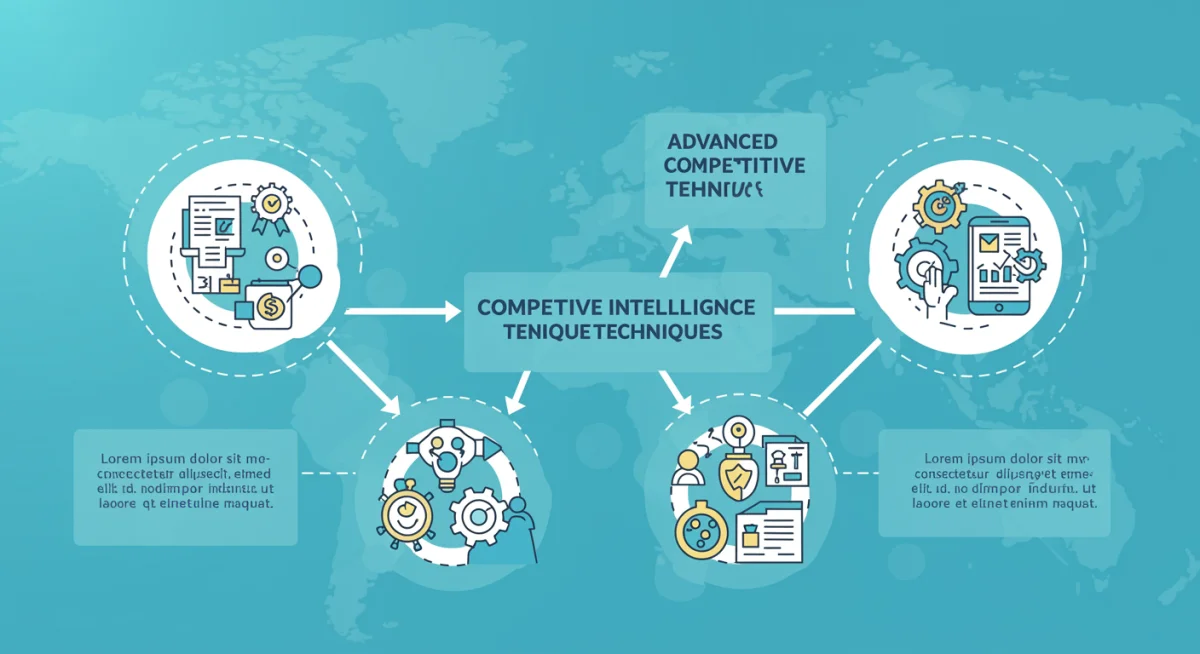

Competitive intelligence through strategic partnerships
In 2025, competitive intelligence is not solely an internal function. US leaders are increasingly recognizing the value of strategic partnerships to enhance their intelligence gathering capabilities. Collaborating with complementary businesses, research institutions, and even non-traditional entities can unlock unique insights and provide access to specialized data that would otherwise be inaccessible. These partnerships foster a more collaborative intelligence ecosystem, broadening the scope and depth of market understanding.
These alliances can take many forms, from joint ventures focused on specific market research projects to data-sharing agreements that benefit all parties involved. The key is to identify partners whose expertise and data sources complement your own, creating a synergistic effect that amplifies the overall intelligence output. This approach allows companies to pool resources, share risks, and gain a more comprehensive view of complex market dynamics.
Collaborating with industry consortia
Joining or forming industry consortia is a powerful way to gather intelligence on shared challenges and opportunities. These groups often conduct collective research, share best practices, and develop industry standards, providing members with valuable insights into the broader market direction and potential disruptions. It’s a way to gain collective intelligence without directly revealing proprietary competitive strategies.
- Shared research on emerging technologies
- Benchmarking against industry standards
- Access to aggregated market data
- Collective lobbying efforts for favorable regulations
Data-sharing agreements with non-competitors
Companies are finding innovative ways to engage in data-sharing agreements with non-competitive entities. For example, a retail company might partner with a logistics provider to understand supply chain efficiencies across the industry, or a tech firm might collaborate with a university to accelerate research in a specific area. These arrangements provide unique datasets that, when analyzed, can reveal powerful competitive insights.
Such partnerships require careful consideration of data privacy and intellectual property. However, with robust legal frameworks and clear agreements, they can offer an unparalleled advantage in understanding market trends, customer behaviors, and operational efficiencies that impact the competitive landscape. It’s about looking beyond direct rivals for sources of strategic information.
Strategic partnerships are transforming competitive intelligence into a collaborative endeavor, allowing US leaders to tap into a wider network of knowledge and expertise. By selectively partnering, businesses can augment their internal intelligence capabilities, gaining a richer, more nuanced understanding of the market and their position within it, which is crucial for sustained success in 2025.
Ethical intelligence gathering and compliance in 2025
As competitive intelligence becomes more sophisticated, the importance of ethical practices and strict compliance with legal frameworks cannot be overstated. In 2025, US leaders understand that gaining an edge through unethical or illegal means can lead to severe reputational damage, hefty fines, and legal repercussions. Trust and transparency are paramount, not just for customer relations but also for maintaining a legitimate and sustainable competitive advantage.
The regulatory environment surrounding data privacy and corporate espionage is constantly evolving. Companies must stay abreast of laws like the California Consumer Privacy Act (CCPA), the General Data Protection Regulation (GDPR) even if operating in the US due to global data flows, and other state and federal regulations. A robust ethical framework ensures that all intelligence gathering activities are conducted responsibly, protecting both the company and its stakeholders.
Navigating data privacy regulations
Data privacy is a significant concern for competitive intelligence professionals. Gathering information on individuals or businesses must always be done with respect for privacy laws. This means avoiding unauthorized access to private data, ensuring data anonymization where necessary, and being transparent about data collection methods when appropriate. Non-compliance can lead to massive penalties and a significant loss of public trust.
- Adherence to CCPA and other state privacy laws
- Ensuring ethical data sourcing practices
- Implementing robust data security measures
- Training staff on privacy compliance
Establishing clear ethical guidelines
Every organization engaging in competitive intelligence should have clearly defined ethical guidelines that govern their practices. These guidelines should address issues such as avoiding misrepresentation, respecting intellectual property, and refraining from industrial espionage. A strong ethical culture ensures that employees understand the boundaries and consequences of unethical behavior.
These guidelines should be regularly reviewed and updated to reflect changes in technology, law, and societal expectations. Encouraging a culture of integrity within the competitive intelligence team not only mitigates risks but also enhances the quality and trustworthiness of the intelligence gathered. Ethical intelligence is, by definition, more reliable and sustainable in the long run.
For US leaders in 2025, ethical intelligence gathering and strict compliance are not just legal obligations but strategic imperatives. By adhering to the highest standards of integrity, companies can build a foundation of trust, protect their reputation, and ensure that their competitive advantage is both powerful and enduring, fostering sustainable growth.
Real-time market sensing and agile response
The pace of market change in 2025 demands more than just periodic intelligence reports; it requires real-time market sensing and the ability to mount an agile response. US leaders are deploying sophisticated systems that continuously monitor market signals, allowing them to detect subtle shifts and react with speed and precision. This dynamic approach to competitive intelligence minimizes response times and maximizes opportunities, transforming potential threats into strategic advantages.
Real-time market sensing involves the continuous collection and analysis of data from various sources, including social media, news feeds, financial markets, and supply chain indicators. The goal is to create a living, breathing view of the market that updates constantly, providing decision-makers with the most current information available. This immediacy is critical for navigating volatile markets and seizing fleeting opportunities.
Implementing continuous monitoring platforms
Modern competitive intelligence platforms are designed for continuous monitoring, utilizing AI and automation to track key performance indicators (KPIs), competitor activities, and market trends in real-time. These platforms can issue immediate alerts when significant changes are detected, enabling swift evaluation and strategic adjustments.
- Real-time tracking of competitor pricing strategies
- Monitoring of brand mentions and sentiment
- Alerts for new product launches or strategic announcements
- Tracking of legislative and regulatory changes impacting the industry
Developing agile response mechanisms
Effective real-time sensing must be coupled with agile response mechanisms. This means having organizational structures and processes in place that allow for rapid decision-making and implementation of new strategies. Cross-functional teams, empowered with intelligence, can quickly pivot marketing campaigns, adjust product development roadmaps, or reallocate resources to address emerging market conditions.
The ability to respond quickly to market changes is a significant differentiator. Companies that can adapt their strategies in days or weeks, rather than months, will invariably outperform those with slower, more bureaucratic processes. This agility transforms competitive intelligence from a reporting function into a core driver of operational and strategic flexibility.
Real-time market sensing and agile response capabilities are foundational for competitive intelligence in 2025. US leaders are investing in technologies and organizational structures that enable them to not only understand the market as it unfolds but also to actively shape their destiny within it, ensuring they remain at the forefront of their industries.
Human intelligence: the irreplaceable element
While AI and advanced analytics are revolutionizing competitive intelligence, the role of human intelligence remains irreplaceable. In 2025, US leaders understand that technology is a powerful enabler, but it cannot fully replicate the nuanced understanding, critical thinking, and intuitive judgment that human analysts bring to the table. The most effective competitive intelligence strategies combine cutting-edge technology with seasoned human expertise.
Human analysts are essential for interpreting complex data, identifying subtle patterns that AI might miss, and understanding the cultural and geopolitical contexts that influence market dynamics. They can provide qualitative insights, conduct interviews, and engage in expert networks to gather intelligence that machines simply cannot. This blend of quantitative and qualitative analysis creates a richer, more actionable intelligence picture.
Expert analysis and strategic interpretation
Human experts are crucial for translating raw data and AI-generated insights into strategic recommendations. They can connect disparate pieces of information, identify underlying motivations, and assess the broader implications of competitive actions. Their ability to synthesize information and provide strategic context is what transforms data into actionable intelligence.
- Interpreting complex market shifts
- Providing context for AI-generated predictions
- Developing nuanced strategic recommendations
- Identifying qualitative competitor motivations
Building and leveraging expert networks
Cultivating and leveraging networks of industry experts, former employees, consultants, and thought leaders is a powerful, yet often overlooked, aspect of competitive intelligence. These human sources can provide invaluable insider knowledge, market gossip, and strategic perspectives that are not available through public data sources. Ethical considerations are paramount when engaging with such networks to ensure all information is gathered legitimately.
These networks rely on trust and long-term relationships. By fostering these connections, US leaders can gain access to a continuous stream of qualitative intelligence that complements their quantitative data. The insights gained from human intelligence often provide the ‘why’ behind market phenomena, offering a deeper understanding than data alone can provide.
Ultimately, the most successful competitive intelligence strategies in 2025 recognize the symbiotic relationship between technology and human expertise. US leaders are investing in both advanced tools and highly skilled analysts, ensuring their intelligence efforts are robust, insightful, and capable of driving truly transformative business outcomes, blending the best of both worlds.
Integrating CI into corporate strategy and culture
For competitive intelligence to deliver maximum impact, it must be deeply integrated into the corporate strategy and culture of an organization. In 2025, US leaders are moving beyond viewing CI as a standalone function and instead embedding it into every layer of decision-making, from product development to marketing and sales. This ensures that intelligence is not just collected, but actively used to shape strategic direction and operational execution.
This integration requires a shift in mindset, where competitive intelligence is seen as a strategic asset rather than a mere support function. It involves fostering a culture of curiosity and continuous learning, where employees at all levels are encouraged to seek out and share insights about the market and competitors. When CI is part of the organizational DNA, it becomes a powerful engine for continuous innovation and adaptation.
Embedding CI in decision-making processes
Competitive intelligence should inform all major strategic decisions. This means integrating CI reports and analysts into executive meetings, product planning sessions, and market entry evaluations. By providing timely and relevant insights, CI can guide resource allocation, mitigate risks, and identify new growth opportunities, ensuring that decisions are always data-driven and strategically sound.
- Regular CI briefings for leadership teams
- Integration of CI into product development cycles
- Informing market segmentation and targeting strategies
- Guiding mergers and acquisitions due diligence
Fostering a culture of intelligence sharing
A truly intelligent organization is one where insights are not siloed but shared openly and effectively across departments. US leaders are implementing platforms and processes that facilitate the seamless dissemination of competitive intelligence, ensuring that relevant information reaches the right people at the right time. This collaborative approach maximizes the value derived from intelligence efforts.
This also involves training employees on how to effectively use competitive intelligence, how to contribute to the intelligence-gathering process, and how to understand its implications for their roles. When every employee becomes a ‘sensor’ for market information, the collective intelligence of the organization grows exponentially, creating a formidable competitive force.
Integrating competitive intelligence into corporate strategy and culture is the ultimate step in leveraging its full potential. US leaders in 2025 are building organizations where intelligence is a shared responsibility and a fundamental driver of strategic agility, ensuring they remain innovative, responsive, and consistently ahead of the curve in a fiercely competitive global market.
| Key Technique | Brief Description |
|---|---|
| AI & Machine Learning | Automating data analysis, predictive modeling, and identifying subtle patterns for foresight. |
| Strategic Partnerships | Collaborating with non-competitors and consortia for unique data and shared insights. |
| Real-time Market Sensing | Continuous monitoring of market signals for agile response and quick decision-making. |
| Human Intelligence | Expert interpretation, qualitative insights, and leveraging networks for nuanced understanding. |
Frequently asked questions about competitive intelligence in 2025
Advanced competitive intelligence in 2025 is defined by its proactive, predictive, and integrated nature. It leverages AI, machine learning, real-time data, and human expertise to anticipate market shifts and competitor moves, moving beyond traditional reactive analysis for strategic foresight.
US leaders utilize AI for automated data collection, sentiment analysis, and predictive modeling. AI algorithms process vast datasets to identify subtle patterns, forecast market trends, and simulate strategic scenarios, enabling more informed and faster decision-making.
Strategic partnerships are crucial for expanding data access and gaining specialized insights. Collaborating with non-competitors or industry consortia provides unique datasets and collective intelligence, offering a broader and deeper understanding of the market landscape.
Real-time market sensing involves continuous monitoring of market signals to detect shifts immediately. This capability allows US leaders to react swiftly to changes, optimize strategies, and capitalize on fleeting opportunities, ensuring agile and responsive decision-making.
Absolutely. Human intelligence remains indispensable for interpreting complex data, providing strategic context, and leveraging expert networks. AI enhances data processing, but human analysts offer the critical thinking, intuition, and qualitative insights necessary for truly actionable intelligence.
Conclusion
The landscape of competitive intelligence in 2025 is a testament to the dynamic nature of modern business. US leaders who are gaining a decisive edge are those embracing a multi-faceted approach, combining cutting-edge technologies with human ingenuity. By leveraging AI and machine learning, forging strategic partnerships, implementing real-time market sensing, and valuing human intelligence, they are not just reacting to change but actively shaping their future. This integrated and ethical approach to competitive intelligence is no longer an option but a strategic imperative for sustained success and leadership in an increasingly complex global marketplace.