Optimizing US Sales Channels: Drive 25% Revenue Growth in 2025
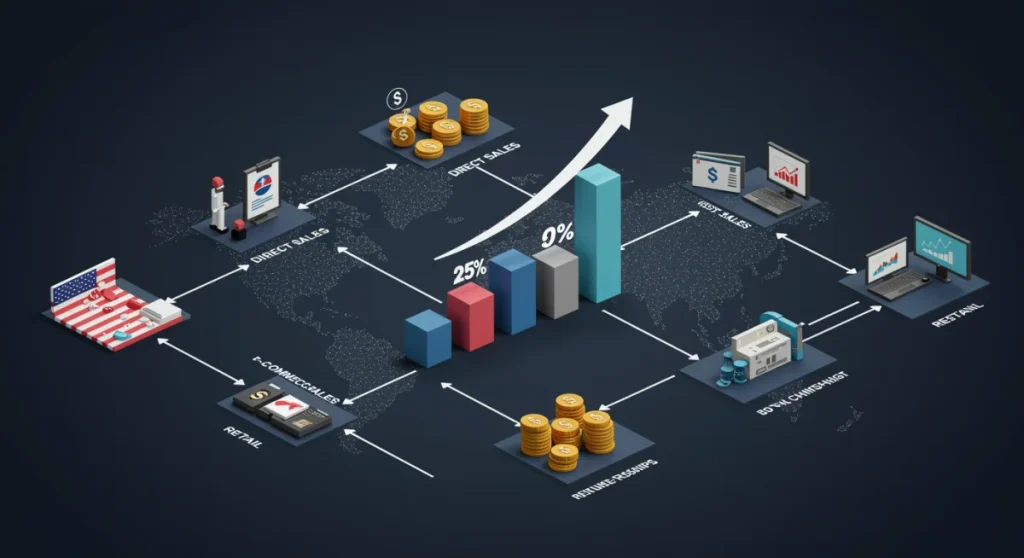
Implementing targeted strategies for US sales channel optimization, such as enhancing e-commerce platforms and leveraging data analytics, can realistically drive a 25% revenue growth by 2025 through improved efficiency and market penetration.
In today’s dynamic business landscape, achieving significant revenue growth requires more than just a good product; it demands a meticulously planned and executed sales strategy. For businesses operating within the United States, optimizing US sales channels is paramount to unlocking substantial financial gains. This deep dive explores five critical strategies designed to propel your business towards an ambitious 25% revenue growth by 2025, offering a comparative analysis and highlighting the crucial financial impact of each.
Understanding the US Sales Landscape and Growth Potential
The US market presents a vast and diverse landscape for sales, characterized by its sheer size, varied consumer demographics, and rapid technological adoption. Businesses aiming for substantial growth must first comprehensively understand this environment and identify untapped opportunities. A 25% revenue increase by 2025 is an ambitious yet achievable target with the right strategic focus.
This growth isn’t merely about selling more; it’s about selling smarter. It involves a strategic re-evaluation of existing sales channels, identifying inefficiencies, and exploring new avenues that align with evolving consumer behaviors and market trends. The financial implications of such optimization are profound, impacting everything from operational costs to overall profitability.
Key Market Dynamics
- Digital Transformation: The accelerating shift towards online purchasing and digital interactions.
- Evolving Consumer Expectations: Demand for personalized experiences and seamless omnichannel journeys.
- Competitive Intensity: A crowded market requiring differentiated sales approaches.
To truly capitalize on the US market’s potential, companies need to move beyond traditional sales methodologies and embrace data-driven decision-making. This initial understanding forms the bedrock for developing the five strategies we will explore, each designed to contribute significantly to the 25% revenue growth target.
Strategy 1: Enhancing E-commerce and Digital Presence
In an increasingly digital world, a robust e-commerce platform and an optimized digital presence are no longer optional; they are fundamental to sales success. For US businesses, this means investing heavily in user experience, mobile optimization, and sophisticated digital marketing tactics. The goal is to create a seamless online journey that converts visitors into loyal customers, directly contributing to the 25% revenue growth objective.
Financial impact here is multifaceted. Improved conversion rates reduce customer acquisition costs, while increased average order value (AOV) boosts overall revenue. Furthermore, a strong digital presence allows for broader market reach without the overheads associated with physical expansion. Companies must continuously analyze website performance, A/B test different elements, and adapt to emerging digital trends to maintain a competitive edge.
Optimizing Your Digital Footprint
- User Experience (UX) Enhancements: Intuitive navigation, fast loading times, and personalized content.
- Mobile-First Design: Ensuring a flawless experience across all mobile devices.
- SEO and Content Marketing: Driving organic traffic and establishing thought leadership.
- Data Analytics Integration: Utilizing insights to refine strategies and personalize customer interactions.
By focusing on these digital pillars, businesses can significantly expand their reach, reduce transactional friction, and cultivate a stronger brand presence, all of which are critical for achieving the ambitious 25% revenue growth target by 2025.
Strategy 2: Leveraging Data Analytics for Personalized Sales Approaches
The sheer volume of data available today offers an unparalleled opportunity to personalize sales approaches and predict customer needs. For optimizing US sales channels, harnessing advanced data analytics is crucial. This strategy moves beyond basic reporting to predictive modeling, allowing businesses to anticipate market shifts, identify high-potential leads, and tailor offerings with surgical precision. The direct result is a more efficient sales cycle and a higher conversion rate, directly impacting the target 25% revenue increase.
The financial impact of this strategy is substantial. By understanding customer behavior and preferences, businesses can allocate resources more effectively, reducing wasted marketing spend and improving the return on investment (ROI) for sales efforts. Personalized approaches also foster stronger customer relationships, leading to increased customer lifetime value (CLTV) and reduced churn. Implementing robust CRM systems and analytical tools is a foundational step.
Implementing Advanced Analytics
- Customer Segmentation: Dividing customers into groups based on behavior, demographics, and purchasing patterns.
- Predictive Analytics: Forecasting future behaviors, sales trends, and potential churn risks.
- Personalized Marketing: Delivering tailored messages and offers based on individual preferences.
- Sales Performance Optimization: Identifying bottlenecks and optimizing sales processes using data insights.
By embracing data analytics, companies can transform their sales operations from reactive to proactive, ensuring that every customer interaction is optimized for maximum impact and contributing meaningfully to the overall revenue growth.
Strategy 3: Expanding into New Geographic and Demographic Segments
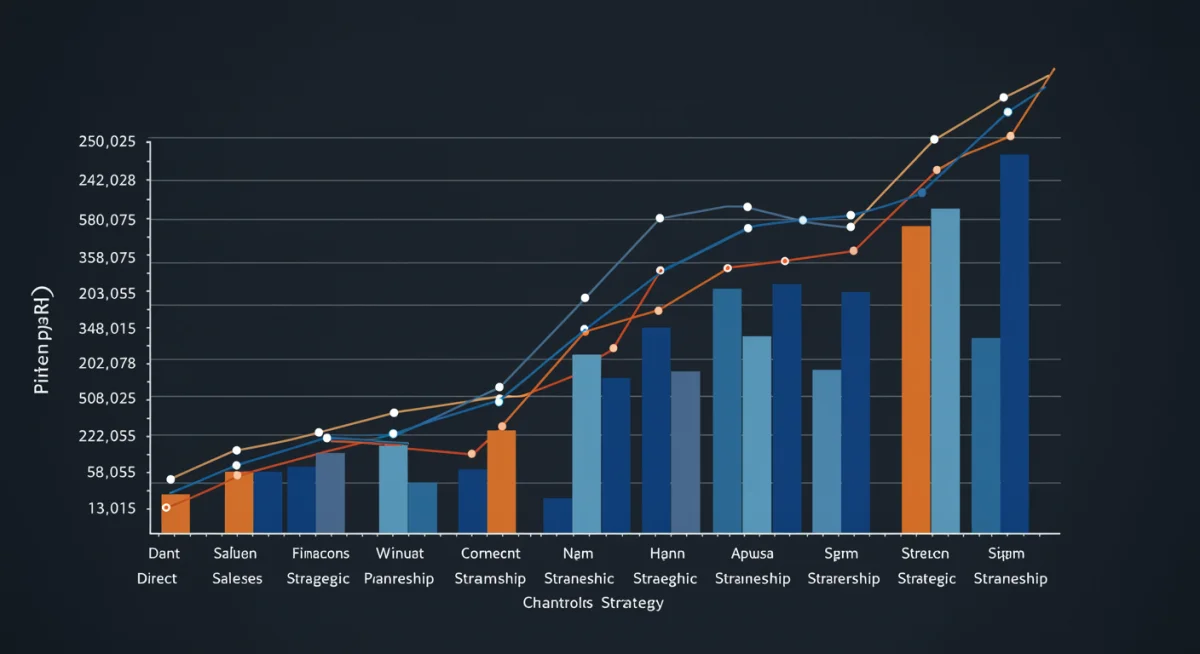
While existing markets are important, significant revenue growth often comes from identifying and successfully penetrating new segments. For US businesses, this could mean expanding into underserved geographic regions within the country or targeting specific demographic groups that have been overlooked. This strategy requires meticulous market research and a clear understanding of the unique needs and preferences of these new audiences. Successfully executing this can be a direct pathway to achieving the 25% revenue growth goal.
The financial implications here involve initial investment in market research and localized marketing efforts, but the potential returns are high. Tapping into new segments can diversify revenue streams, reduce reliance on existing markets, and open up entirely new growth trajectories. It’s crucial to conduct thorough cost-benefit analyses to ensure that expansion efforts are financially viable and align with overall business objectives.

Strategic Market Penetration
- Geographic Expansion: Identifying regions with high demand and low competition.
- Demographic Targeting: Understanding the needs of specific age groups, income levels, or cultural segments.
- Localized Marketing: Tailoring messaging and products to resonate with new audiences.
- Partnerships: Collaborating with local businesses or influencers to gain market entry.
By strategically venturing into new territories and targeting new demographics, companies can unlock significant growth opportunities, directly contributing to the ambitious 25% revenue increase by 2025.
Strategy 4: Strengthening Direct Sales and Account-Based Marketing (ABM)
For many B2B and high-value B2C businesses, direct sales and Account-Based Marketing (ABM) remain incredibly effective channels for driving substantial revenue. This strategy focuses on building deep, personalized relationships with key accounts rather than broad, generalized outreach. By concentrating resources on identified high-value prospects, businesses can significantly improve conversion rates and increase the average deal size, directly contributing to the 25% revenue growth target.
The financial impact of ABM is often characterized by a higher ROI due to its targeted nature. While it may involve a higher per-account investment, the reduced sales cycle, increased win rates, and higher customer lifetime value make it a financially attractive strategy. It also fosters stronger, more loyal customer relationships, which can lead to valuable referrals and repeat business. Companies need to ensure their sales teams are well-trained in consultative selling and relationship management.
Key Components of Direct Sales and ABM
- Target Account Identification: Pinpointing the most valuable prospective accounts.
- Personalized Outreach: Crafting highly relevant and tailored communications for each account.
- Multi-Channel Engagement: Reaching accounts through various touchpoints (email, social, events, etc.).
- Sales and Marketing Alignment: Ensuring cohesive efforts between sales and marketing teams.
By intensifying efforts in direct sales and adopting a robust ABM framework, businesses can secure larger contracts and cultivate enduring client relationships, thus propelling them towards their 25% revenue growth goal.
Strategy 5: Optimizing Channel Partnerships and Alliances
Strategic partnerships and alliances can significantly extend a business’s reach and accelerate growth without requiring extensive internal resource allocation. For optimizing US sales channels, this means identifying complementary businesses, distributors, or resellers who can effectively market and sell your products or services to their existing customer bases. These collaborations can open doors to new markets and customer segments that would be difficult or costly to access independently, making a direct impact on the 25% revenue growth objective.
The financial benefits of channel partnerships include shared marketing costs, reduced customer acquisition expenses, and accelerated market penetration. While careful selection and management of partners are essential to ensure alignment and prevent channel conflict, the potential for scalable growth is immense. Revenue sharing models and clear performance metrics are critical for successful long-term partnerships.
Building Effective Partnerships
- Partner Identification: Finding organizations with complementary offerings and shared target audiences.
- Clear Agreements: Defining roles, responsibilities, and revenue-sharing models.
- Joint Marketing Initiatives: Collaborating on campaigns to maximize reach and impact.
- Ongoing Support and Training: Ensuring partners are well-equipped to represent your brand and products.
By strategically cultivating and nurturing channel partnerships, businesses can amplify their sales efforts and achieve broader market penetration, contributing significantly to the targeted 25% revenue growth by 2025.
| Key Strategy | Brief Impact |
|---|---|
| E-commerce & Digital | Boosts conversions, expands reach, reduces CAC. |
| Data Analytics | Personalizes sales, optimizes resource allocation. |
| New Segments | Diversifies revenue, taps into untapped markets. |
| Direct Sales & ABM | Increases deal size, strengthens client relationships. |
Frequently asked questions about optimizing US sales channels
The primary goal is to achieve a substantial 25% revenue growth by strategically enhancing and diversifying how products and services reach customers across the United States. This involves improving efficiency, market penetration, and customer engagement through various channels.
E-commerce optimization boosts revenue by expanding market reach, improving conversion rates through better user experience and mobile functionality, and reducing customer acquisition costs. A strong digital presence attracts more potential buyers and facilitates seamless transactions.
Data analytics is crucial for personalizing sales by providing insights into customer behavior, preferences, and purchasing patterns. This allows businesses to tailor marketing messages, product recommendations, and sales interactions, leading to higher engagement and conversion rates.
Expanding into new segments diversifies revenue streams and reduces reliance on existing markets. It allows businesses to tap into previously unreached customer bases, offering significant growth potential and resilience against market fluctuations in specific areas.
Channel partnerships accelerate growth by leveraging existing networks and customer bases of complementary businesses. This strategy enables broader market penetration, shared marketing costs, and access to new segments more efficiently than independent expansion.
Conclusion
Achieving a 25% revenue growth by 2025 through optimizing US sales channels is an ambitious yet entirely attainable goal for businesses willing to strategically adapt and innovate. The five strategies outlined—enhancing e-commerce, leveraging data analytics, expanding into new segments, strengthening direct sales and ABM, and optimizing channel partnerships—each offer distinct pathways to growth. By implementing a combination of these approaches, tailored to specific business needs and market opportunities, companies can not only meet but potentially exceed their financial targets, ensuring sustained success in the competitive US market.