CPI Report: Decoding 3.2% Annual Increase & Future Monetary Policy

The latest CPI report, indicating a 3.2% annual increase, presents crucial insights into current inflationary trends and directly informs the Federal Reserve’s prospective monetary policy decisions.
The recent Consumer Price Index (CPI) report has captured significant attention, revealing a 3.2% annual increase that impacts everything from household budgets to national economic strategy. This figure is not just a statistic; it’s a critical indicator that shapes how we understand current inflationary trends and what we can expect from future monetary policy. Let’s delve into the nuances of this report and its broader implications.
Understanding the CPI: More Than Just a Number
The Consumer Price Index (CPI) serves as a vital economic barometer, measuring the average change over time in the prices paid by urban consumers for a market basket of consumer goods and services. A 3.2% annual increase signifies that, on average, the cost of living has risen by this percentage over the past year. This number is meticulously calculated by the Bureau of Labor Statistics (BLS), reflecting price changes across a wide array of categories.
While a single percentage might seem straightforward, the CPI is a complex aggregate, influenced by numerous factors. It provides a snapshot of inflationary pressures, guiding policymakers and economists in their assessments of the economic landscape. Understanding its composition is key to interpreting its implications.
Core CPI vs. Headline CPI
- Headline CPI: This is the most commonly reported figure, encompassing all items in the market basket, including volatile categories like food and energy.
- Core CPI: This excludes food and energy prices, offering a clearer picture of underlying inflation trends by removing short-term price fluctuations.
- Implications: Policymakers often pay close attention to core CPI for long-term monetary policy decisions, as it’s considered a better predictor of future inflation.
The distinction between headline and core CPI is crucial for a nuanced understanding of inflationary trends. While the headline figure grabs attention, the core CPI often provides a more stable and reliable indicator of persistent price pressures, which is particularly relevant for the Federal Reserve’s long-term planning.
Analyzing the 3.2% Annual Increase: Key Drivers
The 3.2% annual increase in the CPI is a composite figure, driven by various sectors of the economy. To truly grasp its significance, we must dissect the primary contributors to this inflationary pressure. Several key areas have seen notable price increases, pushing the overall index higher.
Housing costs, particularly shelter, continue to be a significant factor. Rent and owners’ equivalent rent (OER) have shown persistent upward trends, reflecting supply-demand imbalances and rising property values. These components carry a substantial weight in the CPI calculation, meaning even moderate increases can have a considerable impact on the overall figure.
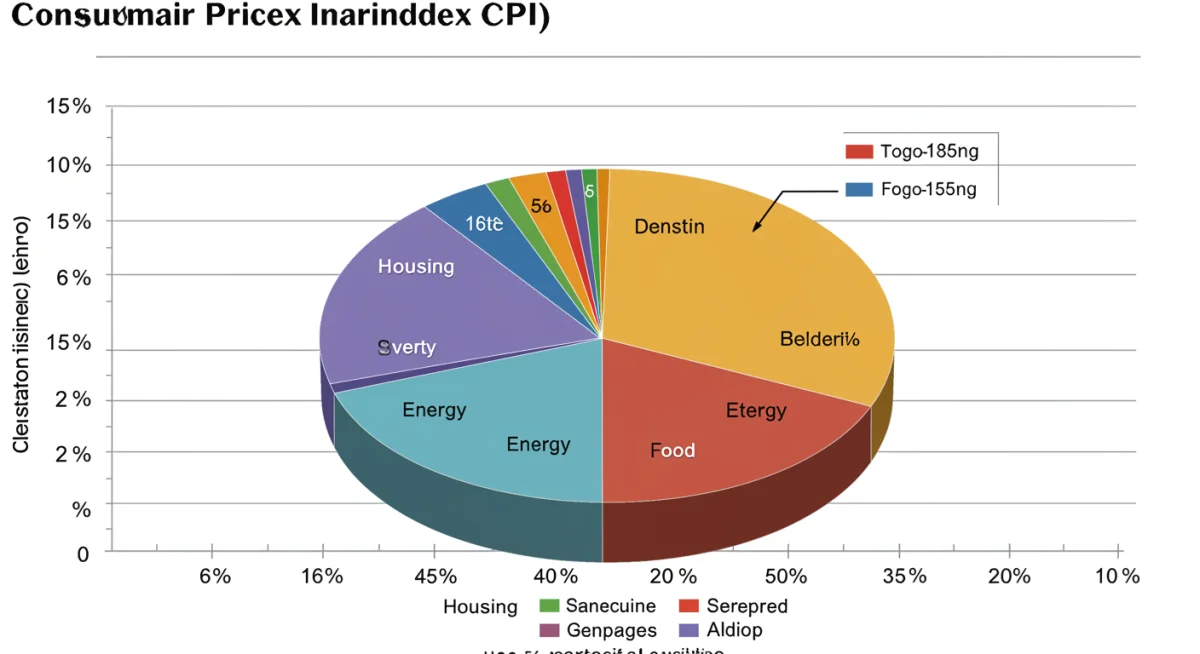
Energy prices, though volatile, have also contributed to the headline CPI. Fluctuations in global oil markets, geopolitical events, and seasonal demand can lead to spikes in gasoline and utility costs. While these can be temporary, their immediate effect on consumer budgets is undeniable.
Food prices, another essential component, have also seen increases, albeit with varying degrees across different categories. Supply chain disruptions, adverse weather conditions affecting agricultural output, and rising production costs all play a role in the upward trajectory of grocery bills.
Sector-Specific Contributions
- Shelter Costs: Continued increases in rent and owners’ equivalent rent remain a primary driver, reflecting tight housing markets.
- Energy Prices: While volatile, energy costs, particularly gasoline, have shown periods of significant increases.
- Food Prices: Broad-based increases in food categories, influenced by supply chain and climate factors.
- Services Inflation: Beyond goods, the cost of services, including healthcare and transportation, has also contributed to the overall rise.
Understanding these specific drivers allows for a more targeted analysis of inflationary trends, helping to discern whether the current inflation is broad-based or concentrated in a few sectors. This insight is crucial for predicting future movements and formulating effective policy responses.
The Federal Reserve’s Stance: Navigating Inflation
The Federal Reserve closely monitors the CPI report, alongside other economic data, to inform its monetary policy decisions. The 3.2% annual increase presents a complex challenge as the Fed aims to achieve its dual mandate of maximum employment and price stability. Their primary tool in combating inflation is adjusting the federal funds rate, which influences borrowing costs across the economy.
When inflation remains elevated, the Fed typically considers raising interest rates to cool down economic activity and reduce demand, thereby putting downward pressure on prices. Conversely, if inflation is under control and economic growth slows, the Fed might consider lowering rates to stimulate the economy. The current 3.2% figure suggests that while inflation has come down from its peak, it remains above the Fed’s 2% target, indicating a cautious approach is still warranted.
Monetary Policy Tools
- Federal Funds Rate: The primary tool used to influence short-term interest rates and overall economic activity.
- Quantitative Tightening: Reducing the Fed’s balance sheet by letting bonds mature without reinvesting, thereby withdrawing liquidity from the financial system.
- Forward Guidance: Communicating the Fed’s outlook and policy intentions to influence market expectations.
The Fed’s actions are not just about numbers; they are about managing expectations and ensuring that inflation does not become entrenched. Their communications and policy moves are carefully scrutinized by markets and businesses alike, as they signal the future direction of economic conditions.
Impact on Consumers and Businesses
An annual CPI increase of 3.2% has tangible effects on both consumers and businesses across the United States. For consumers, this translates to reduced purchasing power. Everyday expenses, from groceries to housing, become more expensive, potentially squeezing household budgets and forcing difficult financial decisions.
Businesses also feel the pinch of inflation. Rising input costs, such as raw materials, labor, and transportation, can erode profit margins. Companies may choose to pass these increased costs onto consumers through higher prices, further perpetuating the inflationary cycle. Alternatively, they might absorb some of the costs, which can impact their profitability and investment decisions.
Consumer and Business Challenges
For consumers, the main challenge is maintaining their standard of living. Wage increases might not keep pace with inflation, leading to a real decrease in income. This can affect savings, investment decisions, and overall financial well-being.
Businesses, on the other hand, face strategic decisions regarding pricing, supply chain management, and employee compensation. Balancing competitive pricing with rising operational costs becomes a delicate act, influencing their ability to grow and innovate in an inflationary environment.
The ripple effect of inflation is extensive, touching every aspect of the economy. Understanding these impacts is crucial for individuals to make informed financial decisions and for businesses to adapt their strategies effectively.
Future Monetary Policy Outlook and Market Reactions
Given the 3.2% annual CPI increase, the future trajectory of monetary policy is a subject of intense speculation and analysis. The Federal Reserve’s path will largely depend on whether inflation continues to trend downwards towards its 2% target, and how other economic indicators, such as employment and GDP growth, evolve. Markets typically react swiftly to CPI reports, adjusting expectations for interest rate movements.
A persistent inflation figure above target could prompt the Fed to maintain higher interest rates for longer than anticipated, or even consider further hikes if inflationary pressures prove more stubborn. Conversely, a significant and sustained decline in inflation, coupled with signs of economic softening, might open the door for interest rate cuts. The market’s interpretation of these signals can lead to volatility in bond yields, stock prices, and currency valuations.
Market Expectations
- Interest Rate Projections: Traders and analysts will adjust their forecasts for future rate hikes or cuts based on inflation data.
- Bond Market Volatility: Yields on Treasury bonds often move in anticipation of Fed actions, impacting borrowing costs for governments and corporations.
- Equity Market Response: Stock markets can react positively to signs of controlled inflation and stable growth, or negatively to prolonged high inflation and aggressive rate hikes.
The delicate balance between curbing inflation and avoiding a recession is at the forefront of the Fed’s decision-making. Their forward guidance and the language used in their statements become critical in shaping market sentiment and economic behavior.
Strategies for Navigating Inflationary Environments
In an environment characterized by a 3.2% annual CPI increase, both individuals and businesses need to adopt strategic approaches to mitigate the effects of inflation and protect their financial health. For consumers, this often involves a renewed focus on budgeting, smart spending, and seeking out opportunities for income growth or investment returns that outpace inflation.
Businesses, too, must implement robust strategies to manage rising costs and maintain profitability. This could include optimizing supply chains, exploring alternative suppliers, investing in efficiency-enhancing technologies, and carefully managing pricing strategies to avoid alienating customers while covering increased expenses.
Personal and Business Strategies
For individuals, reviewing and adjusting personal budgets to account for higher costs is a fundamental step. Exploring high-yield savings accounts or investments that offer a hedge against inflation, such as Treasury Inflation-Protected Securities (TIPS), can help preserve purchasing power. Additionally, focusing on debt reduction, especially variable-rate debt, can minimize the impact of rising interest rates.
Businesses should prioritize operational efficiency and cost control. Renegotiating contracts with suppliers, implementing energy-saving measures, and leveraging technology to automate processes can help offset inflationary pressures. Furthermore, strategic pricing adjustments, possibly through dynamic pricing models, can ensure revenue streams keep pace with escalating costs without deterring customer demand.
Navigating inflationary periods successfully requires proactive planning and adaptability. Both consumers and businesses who strategically adjust their financial and operational models will be better positioned to weather the economic shifts brought about by rising prices.
| Key Point | Brief Description |
|---|---|
| CPI 3.2% Increase | Latest report shows a 3.2% annual rise in consumer prices, indicating persistent inflationary pressures. |
| Key Inflation Drivers | Primarily fueled by shelter, energy, and food costs, with services also contributing significantly. |
| Federal Reserve Response | The Fed monitors CPI closely to guide interest rate decisions, aiming for price stability. |
| Economic Impact | Affects consumer purchasing power and business profit margins, requiring strategic adjustments. |
Frequently Asked Questions About Inflation and CPI
A 3.2% CPI increase means that, on average, the cost of goods and services you regularly purchase has risen by 3.2% over the past year. This can lead to a noticeable reduction in your purchasing power, making everyday items like groceries, gas, and housing more expensive.
The Federal Reserve uses CPI data as a key indicator of inflation to inform its monetary policy decisions. If inflation remains above its 2% target, the Fed may consider raising interest rates to cool the economy and bring prices down, thereby ensuring price stability.
Headline CPI measures price changes for all goods and services, including volatile food and energy prices. Core CPI excludes these volatile categories, providing a clearer picture of underlying, long-term inflation trends, which is often preferred for monetary policy analysis.
Businesses can adapt by optimizing supply chains, seeking alternative suppliers, investing in efficiency-enhancing technologies, and carefully managing pricing strategies. These measures help mitigate rising input costs and maintain profitability in an inflationary environment.
The Fed’s decision will depend on whether the 3.2% CPI indicates persistent inflation, alongside other economic data like employment. While a single report doesn’t guarantee a hike, if inflation consistently stays above their 2% target, further rate adjustments remain a possibility.
Conclusion
The latest CPI report, with its 3.2% annual increase, underscores the ongoing challenge of managing inflationary pressures within the U.S. economy. This figure is not merely a data point but a critical determinant shaping the financial landscape for both consumers and businesses. The Federal Reserve’s careful calibration of monetary policy, balancing inflation control with economic growth, will continue to be a central focus. As we move forward, understanding these inflationary trends and their underlying drivers will be essential for making informed financial decisions and navigating the evolving economic environment.