Construction Sector: Key Material Cost Fluctuations 2025
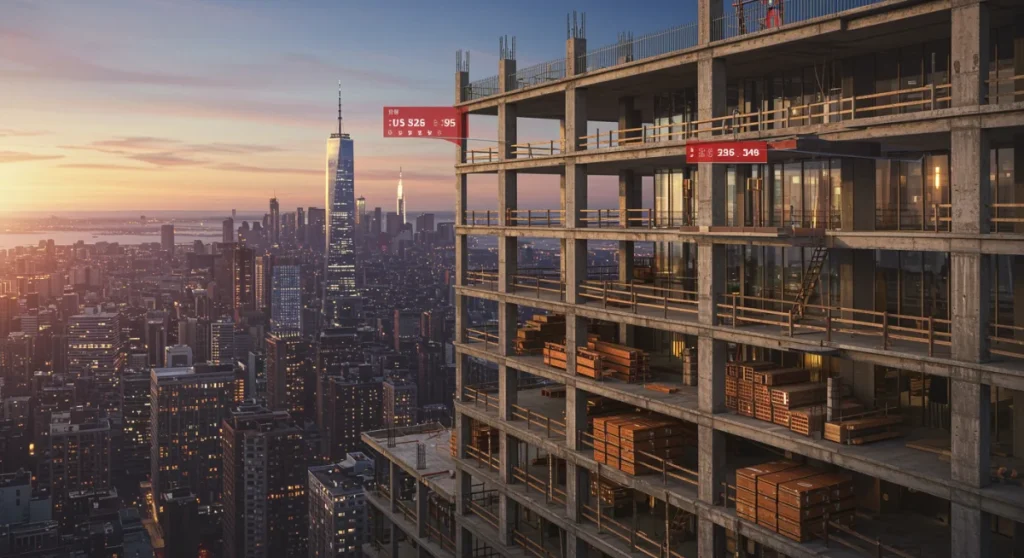
The U.S. construction material costs for 2025 are projected to be significantly influenced by fluctuations in steel and lumber, demanding proactive strategies from project developers to maintain budget and schedule integrity.
The U.S. construction sector is a dynamic landscape, constantly evolving with economic shifts and global events. Understanding the intricacies of construction material costs is paramount for project success and profitability. As we look towards 2025, two key materials, steel and lumber, are anticipated to experience significant cost fluctuations, posing both challenges and opportunities for U.S. projects.
Understanding the Volatility in Construction Material Costs
The construction industry is inherently sensitive to the prices of its raw materials. These costs are not static; they are influenced by a complex interplay of supply chain dynamics, global demand, geopolitical events, and domestic economic policies. For U.S. projects, this volatility can translate directly into budget overruns and delayed timelines, making accurate forecasting and strategic procurement essential.
Several factors contribute to the unpredictable nature of material costs. Energy prices, for instance, directly impact manufacturing and transportation expenses for virtually all construction materials. Labor costs, environmental regulations, and trade tariffs also play a crucial role in shaping the final price tags that contractors face. A holistic understanding of these underlying drivers is the first step in mitigating potential financial risks.
Global Supply Chain Disruptions
Recent years have highlighted the fragility of global supply chains. Events ranging from pandemics to regional conflicts can disrupt the flow of materials, leading to shortages and price spikes. The construction sector, relying heavily on internationally sourced components and raw materials, is particularly vulnerable to these disruptions.
- Port congestion and shipping delays
- Geopolitical tensions affecting trade routes
- Labor shortages in manufacturing and logistics
These disruptions often create a ripple effect, where a delay in one component can hold up an entire project, increasing overall costs and extending timelines. Therefore, building resilient supply chains and exploring local sourcing options are becoming critical considerations for U.S. construction firms.
In conclusion, the volatility in construction material costs is a multifaceted issue driven by global and local factors. Proactive risk management, including diversified sourcing and contingency planning, is vital for navigating these unpredictable market conditions effectively.
Steel: A Pillar of Construction Facing Price Swings
Steel remains an indispensable material in the U.S. construction sector, forming the backbone of skyscrapers, bridges, and critical infrastructure. Its strength, durability, and versatility make it a preferred choice for many structural applications. However, the price of steel is subject to considerable fluctuations, which can significantly impact project budgets in 2025.
The global demand for steel, particularly from rapidly developing economies, exerts constant pressure on its availability and pricing. Additionally, energy costs associated with steel production, which is an energy-intensive process, directly influence its market price. Any upward trend in energy markets typically translates into higher steel costs for consumers, including U.S. construction firms.
Factors Driving Steel Price Changes
Several key factors are expected to influence steel prices in the coming year. Understanding these drivers allows for better forecasting and risk management.
- Raw Material Costs: Iron ore and coking coal prices are primary determinants. Volatility in their supply or demand directly affects steel production costs.
- Energy Prices: Electricity and natural gas are crucial for steel manufacturing. Higher energy prices increase operational costs for steel mills.
- Global Demand: Infrastructure projects and manufacturing growth in Asia and other regions can pull steel away from U.S. markets, driving up local prices.
- Trade Policies: Tariffs and import duties imposed by governments can significantly alter the competitiveness and availability of imported steel, affecting domestic prices.
The interplay of these factors creates a complex pricing environment. For U.S. construction projects, securing favorable steel contracts and exploring hedging strategies can be crucial for cost control.
In essence, steel’s foundational role in construction means its price fluctuations have a widespread impact. Monitoring global economic indicators and trade policies will be essential for anticipating and mitigating potential cost increases for U.S. construction companies in 2025.
Lumber: The Foundation of Residential Projects and Its Market Dynamics
Lumber is another critical material whose cost fluctuations profoundly affect the U.S. construction sector, particularly within residential and light commercial projects. Its natural properties and ease of use make it a staple for framing, decking, and various interior applications. The lumber market, however, is notoriously volatile, experiencing dramatic price swings that can significantly alter project feasibility and profitability.
The supply of lumber is heavily dependent on factors such as timber harvests, sawmill capacity, and weather conditions. Demand, on the other hand, is closely tied to housing starts and renovation activity. When these two forces are out of sync, price volatility inevitably follows. This makes accurate forecasting for lumber prices a continuous challenge for builders across the U.S.
Environmental and Economic Influences on Lumber Costs
The lumber market is particularly susceptible to a range of environmental and economic pressures. These influences often create unpredictable scenarios that demand agile responses from the construction industry.
- Forest Fires and Natural Disasters: Devastating forest fires, especially in key timber-producing regions, can severely restrict lumber supply, leading to sharp price increases.
- Sustainable Forestry Practices: Increased emphasis on sustainable logging and conservation efforts can limit available timber, impacting supply and driving up costs in the long term.
- Housing Market Trends: A robust housing market with high demand for new homes and renovations directly increases the demand for lumber, pushing prices upward.
- Transportation Logistics: The cost and availability of transporting lumber from mills to construction sites can add significantly to the final price, especially with fuel price volatility.
These factors collectively paint a picture of a lumber market that requires constant vigilance. For U.S. contractors, exploring alternative building materials, pre-ordering, and establishing strong relationships with suppliers can help mitigate some of the risks associated with volatile lumber prices.


Ultimately, the residential construction sector’s reliance on lumber means that understanding these market dynamics is not just beneficial, but essential for successful project delivery in 2025.
Mitigation Strategies for U.S. Construction Projects
Navigating the fluctuating landscape of construction material costs requires more than just foresight; it demands a robust set of mitigation strategies. U.S. construction projects can implement various approaches to minimize the impact of price volatility and maintain financial stability. These strategies range from innovative procurement methods to exploring alternative materials and technologies.
Proactive planning is at the core of effective cost mitigation. This includes detailed budgeting that accounts for potential price increases, establishing contingency funds, and continuously monitoring market trends for early warning signs of price shifts. The goal is to move beyond reactive responses to a more strategic and anticipatory approach.
Diversifying Procurement and Supply Chains
Relying on a single supplier or source for critical materials can expose projects to significant risks. Diversifying procurement strategies helps spread this risk and provides more flexibility when market conditions change.
- Multiple Suppliers: Establish relationships with several suppliers for key materials like steel and lumber to ensure continuity of supply and competitive pricing.
- Local Sourcing: Prioritize local or regional suppliers to reduce transportation costs and minimize exposure to international supply chain disruptions.
- Long-Term Contracts: Negotiate fixed-price or capped-price contracts with suppliers for extended periods to lock in costs and provide budget certainty.
By building a resilient and diversified supply chain, U.S. construction projects can better withstand the shocks of material price fluctuations and maintain project momentum. This approach not only safeguards budgets but also enhances project reliability and delivery.
In essence, successful mitigation hinges on a multi-pronged approach that combines strategic procurement with continuous market awareness. This ensures that projects remain viable and profitable despite external economic pressures.
Technological Innovations and Alternative Materials
In an era where traditional construction material costs are increasingly volatile, technological innovations and the embrace of alternative materials offer promising avenues for cost stabilization and enhanced project efficiency in the U.S. construction sector. These advancements are not merely about cutting costs; they also contribute to sustainability and improved structural performance.
The industry is witnessing a surge in research and development aimed at creating materials that are not only more affordable but also more environmentally friendly and structurally superior. From advanced composites to recycled materials, the options are expanding, providing builders with greater flexibility and resilience against market fluctuations.
Exploring Sustainable and Cost-Effective Alternatives
The drive towards sustainability often aligns with cost-saving measures, as many alternative materials offer both environmental benefits and economic advantages.
- Engineered Wood Products: Materials like glulam, LVL, and cross-laminated timber (CLT) offer structural integrity comparable to steel in some applications, often with a lower carbon footprint and more stable pricing than traditional lumber.
- Recycled Steel and Aluminum: Utilizing recycled metals not only reduces demand for virgin materials but can also offer cost savings, especially in periods of high raw material prices.
- Advanced Composites: Fiber-reinforced polymers (FRP) and other composite materials are gaining traction for their high strength-to-weight ratio and corrosion resistance, reducing long-term maintenance costs.
Embracing these innovations requires an initial investment in re-education and adaptation but promises significant returns in terms of cost control and project longevity.
Ultimately, the integration of new technologies and alternative materials is not just a trend but a strategic imperative for the U.S. construction sector. It offers a pathway to greater resilience against material cost volatility and fosters a more sustainable building future.
Forecasting and Risk Management in 2025
Accurate forecasting and robust risk management are paramount for U.S. construction projects navigating the anticipated construction material costs fluctuations in 2025. The ability to predict market shifts and prepare for potential disruptions can be the difference between project success and significant financial setbacks. This involves a combination of data analysis, expert insights, and strategic planning.
Effective forecasting goes beyond simple trend analysis. It incorporates geopolitical factors, economic indicators, and supply chain intelligence to build a comprehensive picture of future market conditions. Once potential risks are identified, a structured risk management plan can be developed to mitigate their impact.
Key Elements of a Robust Risk Management Plan
A comprehensive risk management strategy involves several critical components designed to protect projects from unexpected cost increases and delays.
- Market Intelligence: Continuously monitor global and domestic economic data, commodity markets, and supplier reports to stay informed about potential price changes for steel, lumber, and other key materials.
- Contingency Planning: Allocate sufficient contingency budgets to absorb unforeseen material cost increases without derailing the entire project. This acts as a financial buffer.
- Contractual Safeguards: Incorporate clauses in contracts that address material price escalation, such as price adjustment mechanisms or material escalation clauses, to share risk fairly with suppliers and clients.
- Scenario Analysis: Conduct ‘what-if’ scenarios to understand the potential impact of various material cost fluctuations on project budgets and timelines, allowing for proactive adjustments.
By actively engaging in these practices, U.S. construction firms can transform potential threats into manageable challenges, ensuring greater stability and predictability in their projects.
In conclusion, a proactive approach to forecasting and risk management is indispensable for navigating the complex material cost landscape of 2025. It empowers project managers to make informed decisions and safeguard their investments.
| Key Material | Cost Fluctuation Outlook for 2025 |
|---|---|
| Steel | Expected continued volatility due to global demand, energy costs, and trade policies. |
| Lumber | Highly sensitive to housing market, environmental factors, and transportation logistics. |
| Overall Impact | Potential for budget overruns and project delays without proactive mitigation strategies. |
| Mitigation | Diversified sourcing, long-term contracts, technological adoption, and robust risk management. |
Frequently Asked Questions About Construction Material Costs
Steel prices in 2025 will primarily be driven by global demand, particularly from China and other developing nations, coupled with the volatility of raw material costs like iron ore and coking coal. Energy prices for production and international trade policies, including tariffs, also play significant roles in shaping market costs.
Lumber costs are expected to significantly impact U.S. residential projects in 2025 due to their sensitivity to housing market demand, timber supply constraints from environmental factors like wildfires, and transportation logistics. Builders may face budget adjustments and project delays if not adequately prepared for potential price surges.
Construction firms can mitigate rising material costs by diversifying their supply chains, negotiating long-term fixed-price contracts, exploring alternative and sustainable materials, and implementing robust risk management strategies with contingency budgets. Proactive market monitoring is also crucial for early detection of price shifts.
Yes, technological innovations are increasingly contributing to stabilizing material costs. The development of engineered wood products, advanced composites, and greater utilization of recycled materials offers more cost-effective and sustainable alternatives to traditional materials. These innovations reduce reliance on volatile raw material markets and enhance efficiency.
Forecasting is crucial for construction projects in 2025 because it enables proactive planning against material cost volatility. Accurate predictions allow firms to adjust budgets, secure materials at favorable prices, and implement risk management strategies before market changes negatively impact project timelines and profitability, ensuring greater financial stability.
Conclusion
The U.S. construction sector in 2025 stands at a pivotal juncture, where understanding and responding to construction material costs, particularly for steel and lumber, will define project success. The interplay of global demand, supply chain vulnerabilities, and environmental factors necessitates a strategic and adaptive approach from industry stakeholders. By embracing diversified procurement, exploring innovative materials, and implementing robust risk management, construction firms can navigate these challenges, ensuring project viability and fostering a resilient future for the built environment.