Creator Economy’s Billion-Dollar Business Models in the US
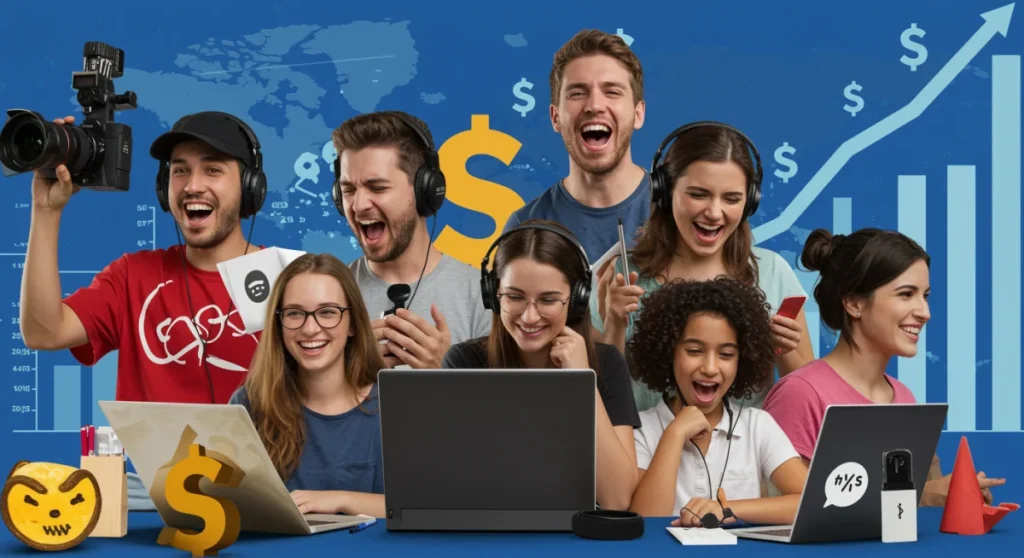
The creator economy in the US is rapidly expanding, driven by innovative business models that empower individuals to monetize their content and influence, collectively generating billions of dollars annually.
The digital landscape in the United States has undergone a profound transformation, giving rise to what is now widely known as the creator economy business models. This isn’t just a niche phenomenon; it’s a monumental shift where individuals, armed with creativity and digital tools, are building empires. We’re talking about a sector that’s not only creating new opportunities but also generating over a billion dollars annually through innovative and disruptive business models.
Understanding the creator economy’s meteoric rise
The creator economy, at its core, is about individuals leveraging their unique skills, passions, and personalities to produce content or services that resonate with an audience. This phenomenon has been amplified by accessible technology and evolving consumer behaviors, particularly in the US market.
What started as a nascent movement with early bloggers and YouTubers has blossomed into a sophisticated ecosystem. Today, it encompasses a vast array of creators, from educators and artists to gamers and lifestyle influencers, all finding innovative ways to connect directly with their communities and generate substantial income. The direct relationship between creator and audience bypasses traditional gatekeepers, fostering authenticity and loyalty.
This direct engagement model is a key differentiator. It allows creators to build strong, dedicated communities that are often more willing to support them financially. The rise of platforms specifically designed to facilitate this interaction has been instrumental in the sector’s explosive growth, turning individual passions into multi-million or even billion-dollar enterprises.
The sheer scale of financial activity within this space is staggering, with numerous business models now comfortably exceeding the billion-dollar mark annually in the US. These models are not just disrupting traditional media; they are establishing entirely new paradigms for commerce and content creation.
Subscription-based content and communities
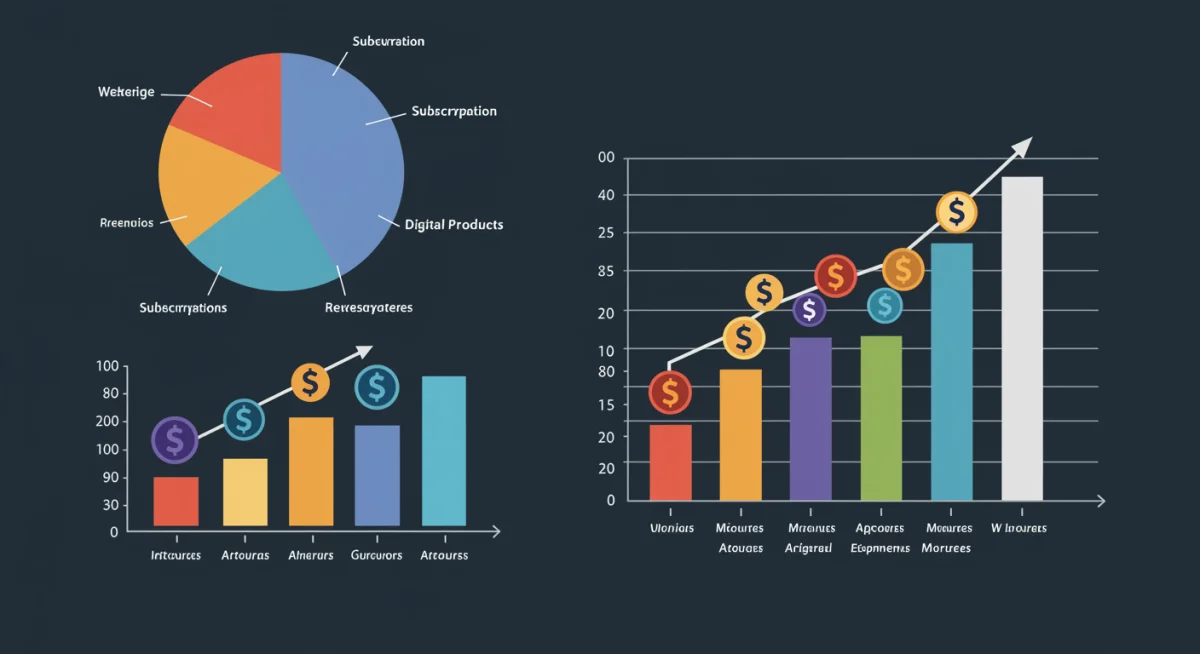
Subscription models have become a cornerstone of the creator economy, offering a predictable revenue stream for creators and exclusive access for audiences. This model thrives on the value of consistent, high-quality content or unique community experiences.
Platforms like Patreon have popularized this approach, allowing fans to directly support their favorite creators through recurring payments. This not only provides financial stability for creators but also fosters a deeper sense of community and shared investment between the creator and their audience. Subscribers often receive benefits such as early access to content, exclusive behind-the-scenes material, or direct interaction with the creator.
The power of recurring revenue
For creators, subscription revenue offers a degree of financial predictability that was once elusive in the traditional content landscape. This stability allows them to invest more in their craft, experiment with new formats, and ultimately deliver even greater value to their subscribers. It shifts the focus from chasing one-off payments to cultivating long-term relationships.
- Predictable income: Steady monthly or annual revenue.
- Exclusive access: Subscribers get unique content or privileges.
- Community building: Fosters a loyal and engaged audience.
- Creative freedom: Less reliant on advertiser demands.
The growth of this model signifies a fundamental shift in consumer behavior, where audiences are increasingly willing to pay for content they value, especially when it comes from independent creators they trust. It’s a testament to the power of direct relationships in the digital age.
This model extends beyond individual creators to encompass larger media entities built on a subscription framework, proving its scalability and enduring appeal. The continued innovation in subscription offerings, including tiered access and personalized experiences, ensures its place as a dominant force.
Digital products and courses
The creation and sale of digital products and online courses represent another massive revenue stream within the creator economy. This model leverages a creator’s expertise and audience trust to offer valuable educational or utility-based resources.
Creators, often experts in their respective fields, package their knowledge into downloadable guides, e-books, templates, or comprehensive online courses. These products offer tangible value to consumers, allowing them to acquire new skills, solve problems, or enhance their lives in various ways. The scalability of digital products is immense, as they can be sold repeatedly with minimal additional cost per unit.
Monetizing expertise at scale
The beauty of digital products lies in their ability to generate passive income once created. This frees up creators to focus on new content, engage with their community, or develop further offerings. The initial investment of time and effort can yield significant returns over an extended period.
- Scalability: Unlimited sales without physical inventory.
- Passive income potential: Earn revenue while focusing on other tasks.
- Value proposition: Provides practical skills or solutions to an audience.
- Direct distribution: Creators control pricing and sales channels.
Platforms like Teachable, Thinkific, and Gumroad have made it easier than ever for creators to host, market, and sell their digital offerings. This infrastructure has lowered the barrier to entry, enabling a wider range of individuals to become successful digital product entrepreneurs.
The demand for specialized knowledge and self-improvement continues to grow, positioning digital products and courses as a resilient and ever-expanding segment of the creator economy. This model empowers creators to become educators and entrepreneurs simultaneously.
Brand partnerships and sponsored content
Brand partnerships and sponsored content remain a powerful and lucrative avenue for creators, especially those with significant reach and influence. This model involves creators collaborating with brands to promote products or services to their engaged audience.
Unlike traditional advertising, sponsored content often feels more authentic and integrated into the creator’s regular output. Audiences trust their favorite creators, and this trust extends to the recommendations they make. Brands recognize this unique connection and are willing to invest heavily in these collaborations to reach highly targeted demographics.
Authenticity as currency
The success of sponsored content hinges on the creator’s ability to maintain authenticity while promoting a brand. Audiences are discerning and can quickly detect insincere endorsements. Successful partnerships are those where the brand aligns naturally with the creator’s values and content.
- Targeted reach: Access to specific, engaged demographics.
- Authentic endorsement: Leverages creator’s trust with their audience.
- Diverse formats: Can be integrated into videos, posts, podcasts, etc.
- High earning potential: Especially for creators with large followings.
The industry has matured, with specialized agencies and platforms now facilitating these partnerships, ensuring fair compensation and clear deliverables. This professionalization has helped solidify sponsored content as a legitimate and highly profitable business model within the creator economy.
As the creator economy continues to expand, so too does the sophistication of brand partnerships, moving beyond simple product placements to deeper, long-term collaborations that integrate brands seamlessly into a creator’s narrative. This evolution underscores the growing power of individual influence.
Merchandise and physical products
Beyond digital offerings, many creators successfully monetize their brands through merchandise and physical products. This model allows fans to physically express their support and connection to a creator’s brand.
From t-shirts and hoodies adorned with catchphrases or logos to custom products reflecting their niche, creators are leveraging e-commerce to sell directly to their audience. This not only generates revenue but also strengthens brand identity and fosters a sense of belonging among fans. The tangibility of these products provides a different kind of value proposition compared to digital content.
Extending the brand into the physical world
The appeal of merchandise lies in its ability to transform a digital relationship into a physical statement. Fans become walking billboards, further promoting the creator’s brand organically. The ease of setting up online stores has made this model accessible to creators of all sizes.
- Brand extension: Physical representation of the creator’s identity.
- Fan engagement: Allows fans to physically support and identify.
- Additional revenue stream: Diversifies income beyond content.
- Community building: Creates a shared identity among followers.
The logistics of manufacturing, inventory management, and shipping can be complex, but numerous third-party services and print-on-demand solutions have emerged to simplify these processes for creators. This allows them to focus on design and marketing, rather than operational headaches.
For many creators, merchandise is more than just an income source; it’s a way to deepen the relationship with their audience, turning casual viewers into dedicated fans who proudly display their allegiance. This model bridges the gap between the digital and physical worlds.
Direct fan donations and tips
While perhaps not generating billions on its own, direct fan donations and tips, when aggregated across the entire creator economy, represent a significant financial flow. This model is built purely on the generosity and appreciation of the audience.
Platforms like PayPal, Buy Me a Coffee, and even built-in tipping features on live streaming platforms enable audiences to send direct financial contributions to creators. This form of support is often spontaneous and driven by a desire to show gratitude for valuable content or entertainment. It’s a testament to the strong emotional connection creators forge with their communities.
The power of audience appreciation
Direct donations offer creators a way to receive immediate financial feedback and support, often without any strings attached. While individual tips might be small, collective contributions from a large, engaged audience can add up to a substantial income. It’s a pure form of patronage in the digital age.
- Immediate support: Direct financial contributions from fans.
- Gratitude-driven: Based on audience appreciation for content.
- Low barrier to entry: Easy for fans to contribute.
- Flexible: Can supplement other income streams.
This model highlights the strength of community and the willingness of individuals to support content creators they admire. It underscores the intrinsic value audiences place on independent voices and unique perspectives, even when content is freely available.
For many creators, direct donations serve as a vital supplement to other revenue streams, providing a flexible and often emotionally rewarding income source. It reinforces the idea that even small contributions, when multiplied, can make a significant difference in a creator’s ability to continue their work.
Affiliate marketing and e-commerce integrations
Affiliate marketing is a pervasive and highly effective business model within the creator economy, allowing creators to earn commissions by promoting products or services from other businesses. This integrates seamlessly with content creation, turning recommendations into revenue.
Creators often review, demonstrate, or simply mention products they genuinely use and love, then include unique affiliate links in their content. When their audience makes a purchase through these links, the creator earns a percentage of the sale. This model thrives on trust and the creator’s ability to influence purchasing decisions.
Leveraging trust for commercial gain
The effectiveness of affiliate marketing stems from the audience’s trust in the creator’s recommendations. Unlike traditional advertisements, affiliate promotions often feel like genuine endorsements from a trusted source. This makes them highly effective in driving sales.
- Performance-based: Earns commission on successful sales.
- Low risk: No inventory or customer service responsibilities.
- Scalable: Can promote multiple products across various content pieces.
- Audience alignment: Promotes products relevant to the creator’s niche.
Major e-commerce platforms and affiliate networks provide extensive programs, making it easy for creators to find relevant products and track their earnings. This infrastructure supports a diverse range of creators, from fashion influencers to tech reviewers, in monetizing their influence.
As shopping habits increasingly shift online, affiliate marketing continues to be a robust and growing revenue stream for creators, allowing them to monetize their content without directly creating physical products or managing complex logistics. It’s a win-win for creators, brands, and consumers alike.
Live events and experiences
The pandemic significantly accelerated the adoption of virtual live events, but even as physical gatherings return, live events and experiences remain a potent business model for creators. This model capitalizes on the desire for direct, interactive engagement with an audience.
Creators host everything from online workshops and Q&A sessions to virtual concerts, meet-and-greets, and even large-scale conventions. These events offer exclusive access and a deeper connection that regular content cannot always provide. Ticketing and sponsorship are primary revenue generators.
Creating unforgettable connections
Live events, whether virtual or in-person, offer a unique opportunity for creators to interact with their most dedicated fans in real-time. This fosters a sense of community and exclusivity that strengthens the bond between creator and audience, often leading to higher engagement in other areas.
- Direct interaction: Real-time engagement with the audience.
- Exclusive access: Offers unique, often limited, experiences.
- Community building: Strengthens fan loyalty and connection.
- Diversified revenue: Ticket sales, sponsorships, and merchandise.
The technology for hosting virtual events has become incredibly sophisticated, allowing creators to deliver high-quality, interactive experiences to a global audience. For in-person events, the demand for unique, curated experiences continues to drive strong ticket sales.
This model allows creators to transcend the digital screen and create memorable, shared experiences that resonate deeply with their audience, further cementing their brand and diversifying their income streams. It’s a testament to the human desire for connection and shared moments.
| Key Business Model | Brief Description |
|---|---|
| Subscription Content | Audiences pay recurring fees for exclusive access to creator content and communities. |
| Digital Products | Creators sell e-books, courses, templates, and other downloadable resources. |
| Brand Partnerships | Collaborations with brands for sponsored content and product promotions. |
| Merchandise Sales | Selling physical goods like apparel, accessories, and custom items directly to fans. |
Frequently asked questions about the creator economy
The creator economy refers to the ecosystem where independent content creators monetize their skills and passions, often through digital platforms, by building and engaging with their audience. It encompasses various business models, from subscriptions to digital products.
Creators in the US earn revenue through diverse models including subscription services, selling digital products like courses, brand sponsorships, merchandise sales, direct fan donations, affiliate marketing, and live events, leveraging their audience’s trust and engagement.
The most disruptive models include subscription-based content platforms, which empower creators with predictable income, and the direct sale of digital products, which democratize education and skill acquisition, bypassing traditional publishing or educational institutions.
Its rapid growth is fueled by accessible digital tools, increasing internet penetration, a desire for authentic content, and the ability for individuals to connect directly with niche audiences, fostering strong communities and diverse monetization opportunities.
While dedication and skill are crucial, the creator economy offers a low barrier to entry. Success often hinges on consistency, audience engagement, finding a unique niche, and adapting business models to suit one’s content and community effectively.
Conclusion
The creator economy in the US is far more than a fleeting trend; it’s a fundamental restructuring of how value is created, distributed, and consumed. The seven disruptive business models we’ve explored—from the stability of subscriptions and the scalability of digital products to the authenticity of brand partnerships and the community-building power of merchandise and live events—collectively illustrate a vibrant, multi-billion-dollar sector. This evolution empowers individuals to turn passion into profit, fostering direct connections with their audiences and continually innovating the landscape of digital commerce and content. As technology advances and consumer preferences shift, the agility and adaptability of these models ensure the creator economy will continue to be a dominant force in the American market, driving both economic growth and cultural transformation.