
By 2025, US firms can boost operational efficiency by 20% through a strategic, 3-phase digital transformation plan, integrating practical solutions with a clear focus on financial impact.
The landscape of business is rapidly evolving, and for US firms, embracing digital transformation 2025 is no longer optional but a strategic imperative. This pivotal shift promises not just survival but significant growth, particularly in boosting operational efficiency by a remarkable 20%.
Understanding the Mandate for Digital Transformation in 2025
As we approach 2025, American businesses face unprecedented market dynamics, demanding agility, innovation, and unwavering efficiency. Digital transformation is the engine driving this necessary evolution, allowing companies to streamline processes, enhance customer experiences, and unlock new revenue streams.
The push for digital transformation isn’t merely about adopting new technologies; it’s a fundamental rethinking of how a business operates, interacts with its ecosystem, and delivers value. For US firms, this means addressing legacy systems, fostering a culture of innovation, and strategically investing in tools that yield tangible returns.
The Competitive Edge of Early Adopters
Firms that proactively engage in digital transformation often gain a significant competitive advantage. They can respond faster to market changes, personalize customer interactions, and optimize resource allocation in ways their slower counterparts cannot.
- Improved decision-making through data analytics.
- Enhanced customer satisfaction via personalized services.
- Reduced operational costs through automation.
- Greater market responsiveness and innovation capacity.
The financial implications are substantial. Companies that successfully implement digital strategies report higher profitability, increased market share, and greater resilience during economic fluctuations. This strategic move is about securing a robust future in an increasingly digital world.
Phase 1: Foundation and Assessment – Laying the Groundwork
The initial phase of any successful digital transformation journey involves a thorough assessment and the establishment of a robust foundation. This isn’t just about identifying current technological gaps, but understanding the broader organizational readiness and strategic objectives.
US firms must begin by evaluating their existing infrastructure, business processes, and organizational culture. This deep dive helps pinpoint areas ripe for digital intervention and ensures that subsequent phases are built on a clear, shared vision.
Comprehensive Digital Readiness Audit
A critical step is conducting a detailed audit of current digital capabilities, including hardware, software, network infrastructure, and cybersecurity protocols. This audit should also extend to data management practices and the skill sets of the workforce.
- Assess current technology stack and identify redundancies or inefficiencies.
- Evaluate data quality, accessibility, and governance frameworks.
- Analyze existing operational workflows for bottlenecks and manual dependencies.
- Gauge employee digital literacy and identify training needs.
Beyond technology, it’s crucial to define clear, measurable objectives for the transformation. What specific operational metrics will be improved? How will customer experience be enhanced? These questions guide the entire process and ensure alignment with overarching business goals.
Phase 2: Implementation and Integration – Building the New Ecosystem
Once the foundation is laid and a clear strategy defined, Phase 2 focuses on the actual implementation and seamless integration of new digital solutions. This phase requires meticulous planning, agile execution, and careful management to minimize disruption while maximizing benefits.
For US firms, this often involves deploying cloud-based solutions, advanced analytics platforms, AI-powered automation, and robust cybersecurity measures. The goal is to create an interconnected ecosystem where data flows freely and processes are automated and optimized.
Strategic Technology Deployment
Choosing the right technologies is paramount. This isn’t about adopting every new gadget, but selecting solutions that directly address the identified pain points and support the strategic objectives from Phase 1. Scalability, security, and ease of integration are key considerations.
- Implement cloud computing solutions for enhanced flexibility and scalability.
- Integrate AI and machine learning for predictive analytics and process automation.
- Deploy advanced cybersecurity tools to protect sensitive data and operations.
- Adopt IoT devices for real-time data collection and operational insights.
Alongside technology, investing in workforce training and development is crucial. Employees need to be equipped with the skills to effectively utilize new tools and adapt to evolving work processes. A change management strategy should run concurrently to foster acceptance and drive adoption.
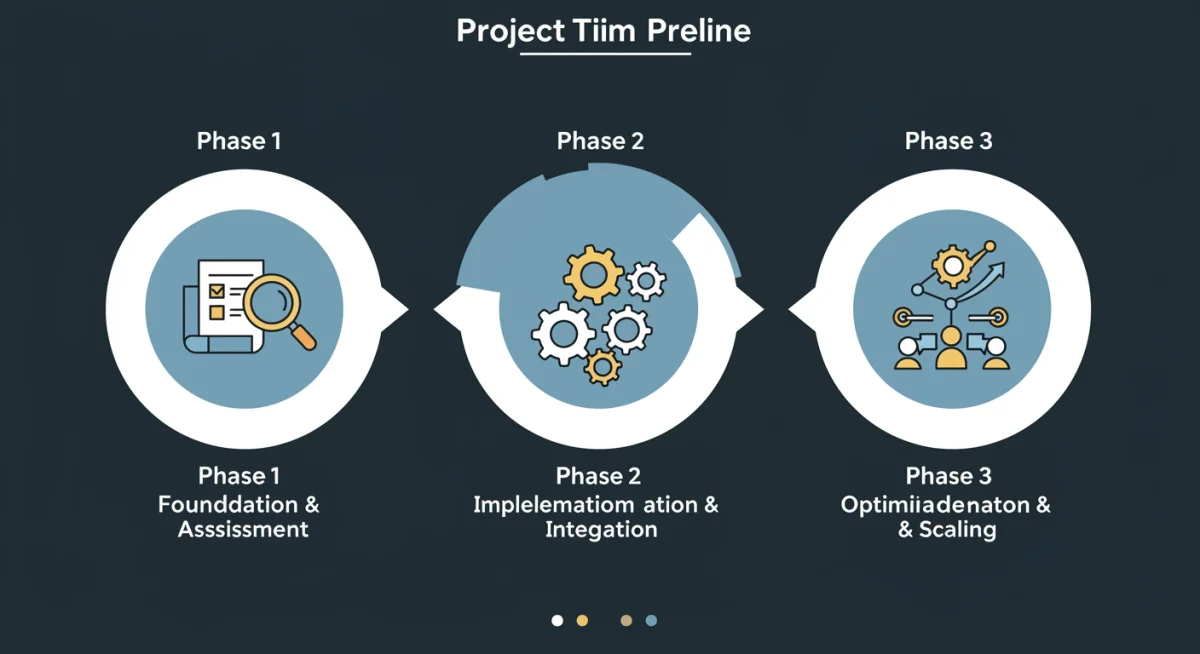
Phase 3: Optimization and Scaling – Sustaining Growth and Innovation
The final phase of digital transformation is continuous optimization and scaling, ensuring that the initial investments yield long-term benefits and adapt to future challenges. This is where US firms truly solidify their competitive edge by fostering a culture of continuous improvement.
This phase is not an endpoint but a continuous cycle of monitoring, refining, and expanding digital initiatives. It involves leveraging data insights to fine-tune processes, explore new applications of technology, and scale successful pilots across the organization.
Leveraging Data for Continuous Improvement
With new digital systems in place, a wealth of data becomes available. This data is invaluable for identifying further opportunities for optimization, understanding customer behavior, and predicting market trends. Analytics dashboards and reporting tools become central to strategic decision-making.
- Utilize real-time analytics to monitor operational performance and identify inefficiencies.
- Gather customer feedback through digital channels to refine products and services.
- Conduct A/B testing on new digital processes to determine optimal configurations.
- Regularly review cybersecurity posture and update protocols as threats evolve.
Scaling successful digital solutions means expanding their application to other departments or business units, ensuring consistency and maximizing ROI. This requires strong leadership and cross-functional collaboration to break down silos and embed digital thinking throughout the organization.
Practical Solutions for Boosting Operational Efficiency by 20%
Achieving a 20% increase in operational efficiency by 2025 is an ambitious yet attainable goal for US firms committed to digital transformation. This requires focusing on specific, practical solutions that deliver measurable improvements across various business functions.
From automating repetitive tasks to optimizing supply chain logistics and enhancing customer service, digital tools offer a wide array of avenues for efficiency gains. The key lies in strategic implementation and a clear understanding of where the greatest impact can be made.
Automation and Robotics in Operations
Robotic Process Automation (RPA) and intelligent automation are game-changers for reducing manual effort and errors in routine tasks. This frees up human resources for more strategic, value-added activities, directly impacting efficiency.
- Automate data entry, invoice processing, and report generation.
- Implement chatbots for instant customer support and query resolution.
- Use intelligent automation for inventory management and supply chain tracking.
- Streamline onboarding processes for new employees and vendors.
Beyond automation, integrating advanced analytics into supply chain management can optimize routes, predict demand, and minimize waste, leading to significant cost savings and faster delivery times. These tangible improvements contribute directly to the 20% efficiency target.
Assessing the Financial Impact and ROI for US Firms
Any significant investment in digital transformation must be justified by a clear understanding of its financial impact and return on investment (ROI). For US firms, this means meticulously tracking metrics and demonstrating how digital initiatives contribute to the bottom line.
The financial benefits extend beyond direct cost savings, encompassing increased revenue through new digital products/services, improved customer retention, and enhanced brand value. A holistic view is essential for capturing the full scope of ROI.
Quantifying the Benefits
Measuring the financial impact involves tracking various key performance indicators (KPIs) related to operational costs, revenue growth, and customer lifetime value. Establishing baseline metrics before transformation begins is crucial for accurate comparison.
- Calculate cost reductions from process automation and reduced manual labor.
- Measure revenue increase from new digital channels or optimized sales processes.
- Analyze improvements in customer retention and acquisition costs.
- Assess the impact on employee productivity and engagement.
The long-term financial impact also includes increased business resilience and adaptability, which translates into sustained growth and competitive advantage. Digital transformation, when executed strategically, is a powerful driver of shareholder value and long-term profitability for US firms.
| Key Aspect | Brief Description |
|---|---|
| Phase 1: Foundation & Assessment | Comprehensive audit of current tech, processes, and culture to define strategic objectives. |
| Phase 2: Implementation & Integration | Deployment of cloud, AI, automation, and cybersecurity solutions with workforce training. |
| Phase 3: Optimization & Scaling | Continuous monitoring, data-driven refinement, and expansion of successful digital initiatives. |
| Financial Impact | Quantifiable ROI through cost savings, revenue growth, and enhanced operational resilience. |
Frequently Asked Questions About Digital Transformation in 2025
The primary goal is to achieve a significant boost in operational efficiency, specifically targeting a 20% improvement, alongside fostering innovation and enhancing market competitiveness through strategic technology adoption and process optimization.
The strategy involves three distinct phases: Foundation and Assessment, Implementation and Integration, and Optimization and Scaling. This structured approach ensures a comprehensive, well-managed transition, from initial planning to continuous improvement and sustained growth.
Practical solutions include Robotic Process Automation (RPA), AI-powered analytics, cloud computing, IoT integration, and robust cybersecurity. These technologies automate tasks, provide data insights, and secure operations, directly contributing to efficiency improvements.
Firms can expect substantial financial benefits, including reduced operational costs, increased revenue streams from new digital offerings, improved customer retention, and enhanced overall business resilience, leading to a strong return on investment.
Absolutely. Workforce training is crucial for successful digital transformation. Equipping employees with the necessary skills to utilize new tools and adapt to evolving processes ensures smooth adoption, maximizes technology benefits, and fosters a digitally adept culture.
Conclusion
The journey of digital transformation for US firms by 2025 is a strategic imperative, not merely a technological upgrade. By adhering to a well-defined 3-phase strategy encompassing foundation, implementation, and continuous optimization, businesses can realistically target and achieve a 20% boost in operational efficiency. This not only translates into significant financial gains and a robust ROI but also positions companies for sustainable growth and a formidable competitive advantage in an increasingly digital global economy. Proactive engagement and a commitment to innovation will define the leaders of tomorrow.