Food & Beverage: Top 3 Innovations in US Markets by Mid-2025
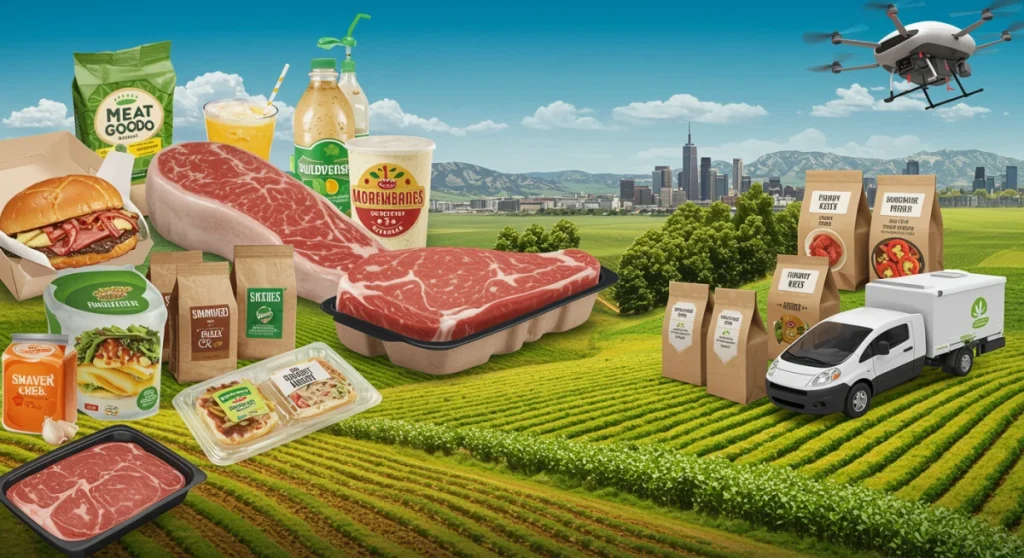
The U.S. food and beverage sector is on the brink of significant transformation, with three key consumer-driven innovations—sustainability, personalized nutrition, and advanced convenience—poised to reshape markets by mid-2025.
The landscape of the American dinner table is constantly evolving, reflecting shifts in consumer values, technological advancements, and a growing awareness of health and environmental impacts. By mid-2025, the Food & Beverage: Top 3 Consumer-Driven Sector Innovations Expected in U.S. Markets by Mid-2025 will fundamentally alter how we produce, purchase, and consume food. These aren’t fleeting fads but rather deep-seated trends driven by informed choices and a desire for more meaningful consumption experiences.
The rise of hyper-personalized nutrition
Consumer demand for tailored dietary solutions is rapidly moving beyond general health guidelines. We are entering an era where individual genetic profiles, microbiome data, and lifestyle metrics will dictate specific nutritional recommendations, transforming how food and beverage companies formulate and market their products.
This shift is not merely about avoiding allergens or managing chronic conditions; it’s about optimizing individual well-being and performance. Companies are leveraging advancements in biotechnology and data analytics to offer highly customized food experiences, moving away from a one-size-fits-all approach.
Genomic and biomarker-driven diets
The integration of personal health data, including DNA sequencing and continuous glucose monitoring, is enabling the creation of diets precisely matched to an individual’s unique biological needs. This level of personalization promises to unlock new levels of health and dietary efficiency.
- Companies are partnering with genetic testing services to offer bespoke meal plans.
- Wearable technology provides real-time feedback, allowing for immediate dietary adjustments.
- The focus shifts from generic dietary advice to actionable, data-driven recommendations.
Microbiome-centric food development
Understanding the gut microbiome’s profound impact on health is leading to a new generation of functional foods and beverages. Products designed to specifically nourish or rebalance an individual’s gut flora are gaining traction, promising benefits ranging from improved digestion to enhanced mood and immunity.
This area of innovation is particularly exciting as it merges cutting-edge scientific research with practical food applications. Consumers are increasingly aware of the gut-brain axis and seeking products that support this intricate connection.
The hyper-personalized nutrition trend signifies a pivotal moment for the food industry, compelling brands to invest in R&D that supports individual biological diversity. It challenges traditional mass-production models, favoring flexible, data-driven manufacturing and distribution systems to meet these precise consumer needs.
Sustainable and ethical sourcing becomes paramount
Consumers are increasingly conscious of the environmental and social impact of their food choices. This awareness is driving a robust demand for products that are not only healthy but also sustainably and ethically produced. Brands that can transparently demonstrate their commitment to these values will capture a significant market share by mid-2025.
This trend extends beyond organic certifications to encompass a holistic view of the supply chain, from agricultural practices to packaging and waste reduction. Shoppers are looking for authenticity and verifiable claims.
Regenerative agriculture and biodiversity
A growing number of brands are investing in regenerative agricultural practices, which focus on soil health, carbon sequestration, and biodiversity. This approach goes beyond simply sustaining current resources; it actively works to restore and enhance ecosystems.
- Support for local farms employing sustainable methods is increasing.
- Brands are highlighting their efforts to reduce environmental footprints at the farm level.
- Certifications for regenerative practices are becoming more recognized and valued by consumers.
Circular economy principles in packaging
The issue of packaging waste is a major concern for consumers, pushing the industry towards innovative solutions that embrace circular economy principles. This includes reducing reliance on single-use plastics and developing biodegradable or compostable alternatives.
Innovations in packaging are not just about aesthetics; they are about functionality and environmental responsibility. Companies are exploring refillable systems, edible packaging, and advanced recycling technologies to minimize waste and maximize resource efficiency.
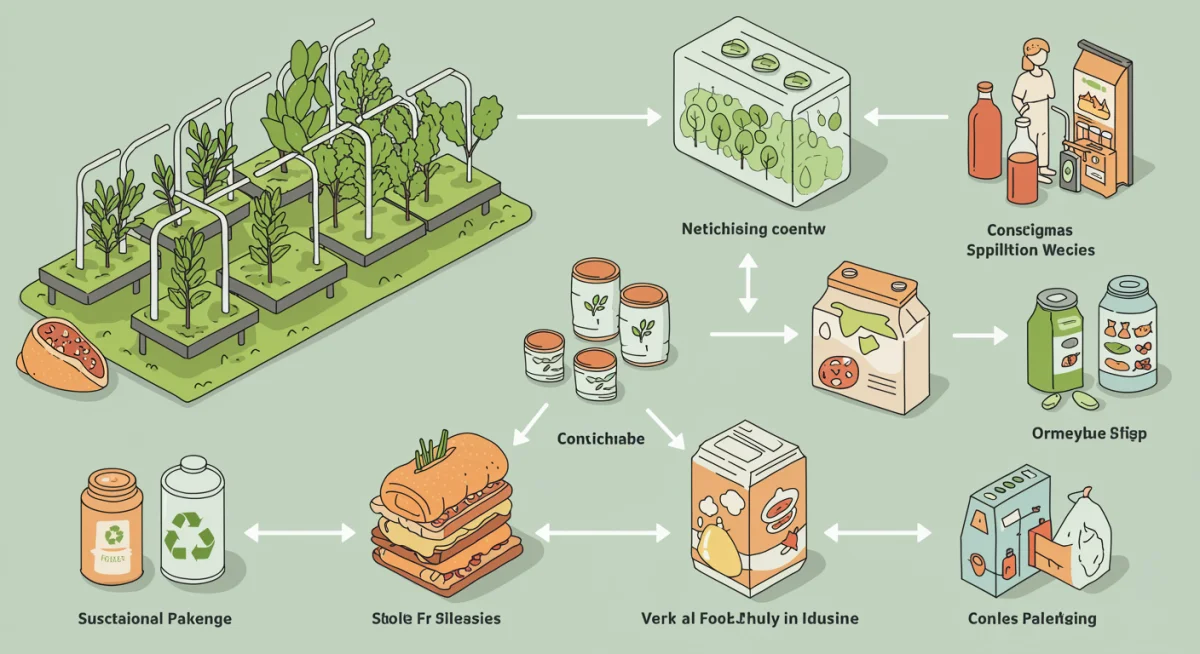
The move towards sustainable and ethical sourcing is a non-negotiable imperative for the food and beverage industry. It requires a fundamental rethinking of business models, fostering collaboration across the supply chain, and clear communication with consumers about the journey of their food.
Advanced convenience and experiential dining at home
The desire for convenience has always been a driving force in the food industry, but by mid-2025, this will evolve into ‘advanced convenience,’ where ease of access is coupled with elevated culinary experiences. Consumers seek solutions that save time without compromising on quality, health, or the joy of eating.
This innovation isn’t just about ready-to-eat meals; it’s about smart kitchen technologies, sophisticated meal kits, and seamless delivery services that bring restaurant-quality food directly to the consumer’s home, often with a personalized touch.
Smart kitchen ecosystems and AI-powered cooking
The integration of AI into kitchen appliances is making home cooking more efficient, enjoyable, and precise. Smart ovens, refrigerators, and personal assistants can suggest recipes, manage inventory, and even automate cooking processes, catering to individual preferences and dietary needs.
- AI-driven meal planning services reduce food waste and optimize nutrition.
- Automated cooking devices simplify complex recipes, making gourmet meals accessible.
- Connected kitchen ecosystems offer a seamless and integrated culinary experience.
Gourmet meal kits and subscription services
Beyond basic meal kits, the market is seeing a surge in gourmet and specialty meal subscription services. These offerings provide high-quality, pre-portioned ingredients and chef-curated recipes, allowing consumers to prepare sophisticated dishes with minimal effort.
These services often cater to specific dietary preferences, cultural cuisines, and even offer interactive cooking experiences, transforming meal preparation into an engaging activity rather than a chore. The focus is on delivering not just food, but an entire culinary journey.
Advanced convenience is reshaping the boundaries between home cooking and dining out. It empowers consumers to enjoy diverse, high-quality meals with unprecedented ease, fostering a new culture of at-home culinary exploration and enjoyment.
The impact of supply chain resilience and transparency
Recent global events have highlighted the vulnerabilities within global supply chains, pushing the food and beverage sector to prioritize resilience and transparency. Consumers are increasingly interested in knowing the origin of their food, the conditions under which it was produced, and the journey it took to reach their plate.
This demand for transparency is not just about safety; it’s about trust and ethical consumption. Companies are investing in technologies like blockchain to provide immutable records of their supply chain, from farm to fork.
Blockchain for end-to-end traceability
Blockchain technology offers a decentralized and secure way to track every step of a food product’s journey. This provides unparalleled transparency, allowing consumers to verify claims about origin, sustainability, and ethical practices with a simple scan.
- Reduced food fraud and enhanced food safety are key benefits.
- Consumers gain confidence in product authenticity and ethical sourcing.
- Supply chain inefficiencies can be identified and addressed more effectively.
Localized sourcing and vertical integration
To bolster resilience and reduce reliance on complex global networks, many companies are exploring localized sourcing strategies and vertical integration. This means shortening supply chains, supporting local economies, and gaining greater control over production processes.
Vertical farms and indoor agriculture are examples of innovations that enable year-round local production, reducing transportation costs and environmental impact. This also allows for fresher produce and a stronger connection between producers and consumers.
Building a resilient and transparent supply chain is no longer a competitive advantage but a fundamental expectation. It ensures food safety, supports ethical practices, and instills consumer confidence, which are all critical for success in the evolving market.
Plant-based and alternative protein dominance
The plant-based revolution is far from over; it’s entering a new phase of sophistication and market penetration. Driven by health, environmental, and ethical concerns, consumers are increasingly opting for alternatives to traditional animal products. By mid-2025, these alternatives will not only mimic their animal counterparts but often surpass them in terms of nutritional profile and culinary versatility.
This trend is expanding beyond meat substitutes to dairy, eggs, and even seafood, creating a vast new landscape of food possibilities. Innovation in this space is rapid, with new ingredients and processing techniques continually emerging.
Next-generation plant-based meats
The next wave of plant-based meats will focus on improving texture, flavor, and nutritional density, making them virtually indistinguishable from conventional meat. Advances in fermentation and cellular agriculture are playing a crucial role in achieving this.
- Hybrid products combining plant-based ingredients with cultivated meat cells are emerging.
- New protein sources like fungi, algae, and insect proteins are gaining acceptance.
- Focus on whole-food plant-based options for health-conscious consumers.
Dairy and egg alternatives innovation
The market for plant-based dairy and egg alternatives is diversifying rapidly, offering a wider array of textures and applications. From oat milk cheeses to mung bean-based egg substitutes, these products are becoming staples in many households.
Companies are investing heavily in R&D to create alternatives that perform identically to their animal-derived counterparts in cooking and baking, opening up new culinary possibilities for consumers seeking plant-based options.
The continued growth of plant-based and alternative proteins reflects a fundamental shift in consumer values and dietary preferences. It represents a significant opportunity for innovation and market expansion for companies that can deliver delicious, nutritious, and sustainable alternatives.
Health and wellness integration beyond basic nutrition
The concept of health and wellness in food and beverage is broadening beyond basic nutrition to encompass mental well-being, cognitive function, and even sleep quality. Consumers are seeking functional foods and beverages that offer specific health benefits, moving towards a more holistic approach to dietary intake.
This trend is fueled by a greater understanding of the mind-body connection and a desire for proactive health management. Products are being developed with ingredients known to support various physiological and psychological functions.
Nootropic and adaptogenic ingredients
Ingredients known for their cognitive-enhancing (nootropic) or stress-reducing (adaptogenic) properties are increasingly being incorporated into beverages, snacks, and supplements. These include medicinal mushrooms, certain herbs, and botanicals.
- Beverages designed for focus, relaxation, or sleep are gaining popularity.
- Snacks fortified with brain-boosting ingredients appeal to busy professionals.
- The market for functional ingredients supporting mental clarity and emotional balance is expanding.
Gut health for overall well-being
The link between gut health and overall well-being, including mental health, is becoming widely recognized. This is driving innovation in probiotics, prebiotics, and fermented foods that specifically target a healthy gut microbiome.
Beyond traditional yogurt, we are seeing a proliferation of kombuchas, kefirs, kimchi, and other fermented products, as well as fortified foods and supplements designed to support a diverse and thriving gut flora.
Integrating health and wellness goes beyond calories and macronutrients; it’s about nourishing the body and mind comprehensively. This holistic approach will define the next generation of food and beverage products, offering consumers solutions that support a vibrant and balanced lifestyle.
| Key Innovation | Brief Description |
|---|---|
| Personalized Nutrition | Tailored diets based on individual genomics, microbiome, and lifestyle data for optimal health. |
| Sustainable Sourcing | Emphasis on regenerative agriculture, ethical practices, and circular economy packaging. |
| Advanced Convenience | Smart kitchen tech, gourmet meal kits, and seamless delivery for elevated at-home dining. |
| Plant-Based Dominance | Sophisticated alternatives to meat, dairy, and eggs driven by health and environmental concerns. |
Frequently asked questions about F&B innovations
The demand for personalized nutrition is fueled by increasing consumer awareness of individual health needs, advancements in genetic testing, and wearable technology. People seek diets optimized for their unique biology, moving beyond generic advice to achieve specific health goals and improve overall well-being and performance.
Sustainable sourcing is evolving to include regenerative agriculture, which focuses on soil health and biodiversity, and circular economy principles in packaging. Consumers demand transparency and ethical production, pushing brands to adopt practices that minimize environmental impact and promote long-term ecological balance throughout the supply chain.
‘Advanced convenience’ goes beyond simple ready-to-eat meals. It encompasses smart kitchen technologies, AI-powered cooking assistants, and sophisticated gourmet meal kits. This innovation aims to provide ease of access to high-quality, customized culinary experiences at home, saving time without compromising on health or taste.
While plant-based alternatives are experiencing significant growth and innovation, it’s unlikely they will completely replace traditional animal products by mid-2025. Instead, they will continue to expand their market share, offering consumers more sophisticated, nutritious, and environmentally friendly options that coexist with conventional protein sources, catering to diverse preferences.
Technology is central to these innovations, from AI and data analytics enabling personalized nutrition to blockchain ensuring supply chain transparency. Smart kitchen devices enhance convenience, while biotechnology drives the development of advanced plant-based proteins. Technology acts as a critical enabler, transforming every aspect of the food and beverage ecosystem.
Conclusion
The U.S. food and beverage sector is poised for a transformative period, driven by consumer expectations for greater personalization, sustainability, and advanced convenience. The innovations discussed—hyper-personalized nutrition, sustainable and ethical sourcing, and advanced convenience coupled with experiential dining—are not merely trends but fundamental shifts reflecting a more informed, conscious, and demanding consumer base. Companies that proactively embrace these changes, investing in research, technology, and transparent practices, will be well-positioned to thrive in the dynamic market of mid-2025 and beyond. The future of food is not just about what we eat, but how it aligns with our values and enhances our overall well-being.