Labor Market Resilience: 3.8% Unemployment & 2025 Wage Growth Outlook

The U.S. labor market, characterized by a resilient 3.8% unemployment rate, signals a complex interplay between robust job creation and evolving wage growth dynamics that will shape the 2025 economic landscape.
The American economy stands at a fascinating crossroads, with the labor market resilience consistently defying expectations. A 3.8% unemployment rate, while indicative of a strong jobs environment, raises pertinent questions about its implications for wage growth as we look toward 2025. Understanding this dynamic is crucial for businesses, policymakers, and individuals alike.
Understanding the Current Labor Market Landscape
The U.S. labor market has demonstrated remarkable strength, maintaining a low unemployment rate despite various economic headwinds. This resilience is not merely a number; it reflects a complex interplay of factors, from consumer demand to business investment, all contributing to a robust employment picture.
Many economists initially predicted a higher jobless rate given the Federal Reserve’s aggressive interest rate hikes. However, the market has absorbed these changes with surprising stability, indicating underlying strengths that warrant closer examination.
Key Indicators of Labor Market Health
- Job Creation: Steady monthly job gains across diverse sectors, showcasing broad-based economic activity.
- Labor Force Participation: A gradual increase in participation rates, particularly among prime-age workers, contributing to labor supply.
- Job Openings: While slightly easing from peak levels, job openings remain elevated, suggesting persistent demand for labor.
- Voluntary Quits: A high quit rate indicates worker confidence in finding new or better employment, a sign of a healthy market.
The current state of the labor market suggests that businesses are still actively hiring, and workers feel confident in their employment prospects. This environment of low unemployment typically creates upward pressure on wages, as employers compete for a limited pool of talent.
Historical Context: Unemployment and Wage Dynamics
Historically, a low unemployment rate has often been a precursor to significant wage growth. When fewer people are seeking jobs, employers must offer more competitive compensation packages to attract and retain the best talent. However, the current cycle presents some nuances that diverge from past patterns.
Previous periods of low unemployment, such as the late 1990s or the mid-2000s, saw more rapid acceleration in wages. Understanding these historical precedents helps us contextualize the present and project future trends.
Past Cycles and Present Discrepancies
In the past, a 3.8% unemployment rate would almost certainly mean a tight labor market leading to substantial wage increases. Today, while wages are growing, the pace has been more moderate than some might expect given the headline unemployment figure.
This moderation can be attributed to several factors, including shifts in labor demand, increased productivity, and perhaps a more cautious approach by businesses in a post-pandemic world. The economy is still adjusting to structural changes brought about by global events.
- Technological Advancements: Automation and AI are changing skill demands, impacting wage distribution.
- Globalization: Continued global economic integration influences domestic wage pressures.
- Demographic Shifts: An aging workforce and changing immigration patterns affect labor supply and demand.
- Supply Chain Resilience: Efforts to onshore production might create new job categories and wage opportunities.
Comparing the current environment to historical data reveals that while the fundamental relationship between unemployment and wages holds, the magnitude and speed of wage response can vary based on a broader set of economic and societal influences. This complexity makes forecasting particularly challenging.
The 3.8% Unemployment Rate: A Deeper Dive
While 3.8% unemployment is generally considered excellent, a closer look reveals layers of complexity. This aggregate number can mask variations across different industries, demographic groups, and geographic regions. A healthy overall figure doesn’t mean every sector or individual is experiencing the same robust conditions.
For instance, some sectors, like technology or healthcare, might be experiencing acute labor shortages and higher wage pressures, while others, such as retail or certain manufacturing segments, could be seeing more moderate conditions. These discrepancies are vital for a comprehensive understanding.
Sectoral and Demographic Disparities
The unemployment rate isn’t uniform. Certain industries continue to face severe labor shortages, driving up wages and offering attractive benefits. Conversely, other sectors might be experiencing slower growth or even contractions, leading to less wage pressure.
Demographically, unemployment rates can vary significantly by age, education level, and racial or ethnic group. Understanding these nuances is crucial for crafting effective economic policies and for businesses to target their hiring strategies.
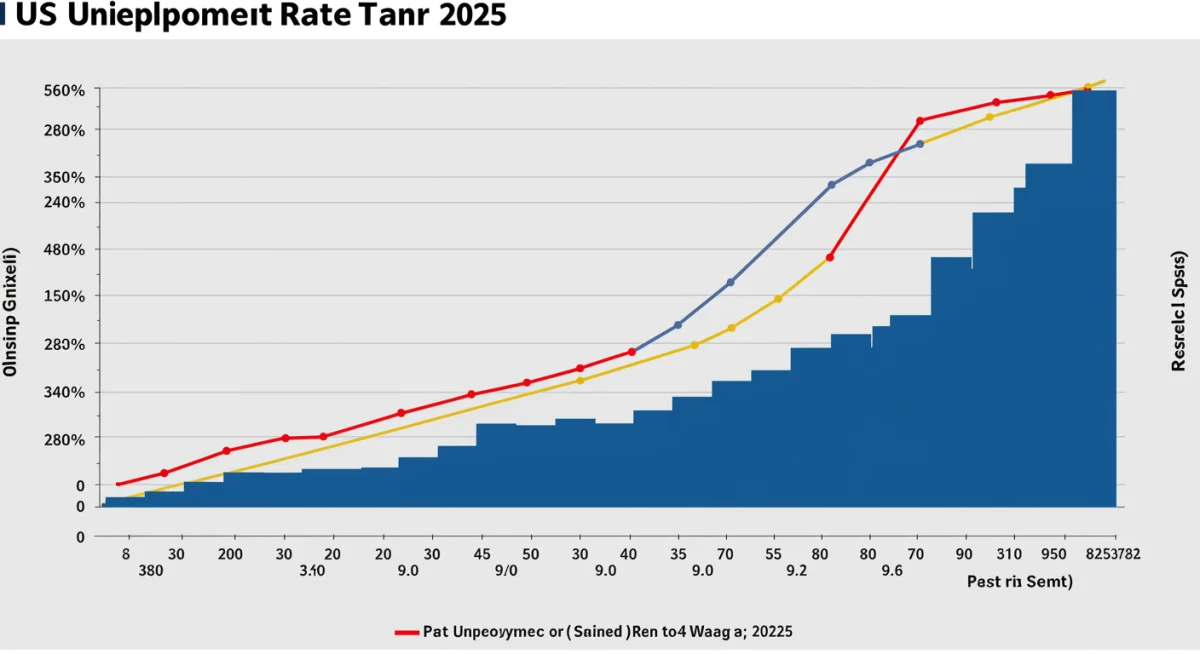

The current 3.8% rate reflects a broad picture of employment but doesn’t tell the whole story. Factors such as underemployment, where individuals are working fewer hours than they desire or in jobs below their skill level, also play a role in the true health of the labor market.
Furthermore, the types of jobs being created are important. Are they high-wage, high-skill positions, or are they predominantly in lower-wage service sectors? The answer has significant implications for overall wage growth and economic equity.
Implications for Wage Growth in 2025
Projecting wage growth for 2025 involves navigating a multitude of economic signals and potential future scenarios. While a 3.8% unemployment rate typically suggests continued upward pressure on wages, the extent of this pressure will depend on factors like inflation, productivity gains, and global economic stability.
Many analysts anticipate a continued, albeit perhaps moderating, pace of wage increases. This outlook is based on the persistent demand for labor and the ongoing competition among employers for skilled workers.
Factors Influencing 2025 Wage Projections
- Inflationary Pressures: The rate of inflation will significantly impact real wage growth. If inflation remains elevated, nominal wage gains might not translate to increased purchasing power.
- Productivity Growth: Higher productivity can allow businesses to absorb higher wages without increasing prices, leading to sustainable real wage gains.
- Labor Supply Dynamics: Changes in immigration policies, retirement rates, and educational attainment will influence the availability of workers.
- Technological Adoption: Rapid adoption of AI and automation could displace some jobs while creating new, higher-skilled, and potentially higher-paying roles.
The Federal Reserve’s monetary policy will also play a critical role. If interest rates remain high to combat inflation, it could cool the economy and temper wage growth. Conversely, any pivot towards lower rates could stimulate demand and potentially accelerate wage gains.
Ultimately, the balance between labor demand and supply, coupled with broader economic conditions, will dictate the trajectory of wage growth in 2025. It’s a complex equation with many variables still in flux.
Challenges and Opportunities for Businesses
A tight labor market, characterized by low unemployment, presents both significant challenges and unique opportunities for businesses. Attracting and retaining talent becomes a top priority, often requiring innovative strategies beyond just competitive salaries.
Companies must adapt to a landscape where employees have more leverage, demanding not only better pay but also improved benefits, flexible work arrangements, and opportunities for professional development.
Navigating a Competitive Labor Market
- Talent Acquisition: Businesses need robust recruitment strategies, including leveraging technology and diverse sourcing channels.
- Retention Strategies: Emphasizing employee engagement, career pathways, and a positive work culture becomes paramount.
- Upskilling and Reskilling: Investing in employee training to meet evolving skill demands and foster internal growth.
- Competitive Compensation: Regularly benchmarking salaries and benefits to remain attractive in the market.
Beyond the challenges, a resilient labor market also offers opportunities. Businesses that can successfully attract and retain top talent are better positioned for innovation, increased productivity, and sustained growth. A strong workforce directly translates to enhanced competitiveness.
Moreover, the need for efficiency in a high-wage environment can spur technological adoption and process improvements, ultimately leading to a more dynamic and productive economy.
Policy Implications and Future Outlook
The sustained labor market resilience and the implications for wage growth in 2025 have significant policy ramifications. Policymakers must consider how to best support continued job creation while managing inflationary pressures and promoting equitable economic growth.
Discussions around minimum wage, labor protections, education funding, and immigration policies all become more prominent in this context. The goal is to foster an environment where both businesses and workers can thrive.
Government and Central Bank Responses
The Federal Reserve will continue to monitor unemployment and wage growth closely as key indicators for its monetary policy decisions. Balancing inflation control with supporting full employment remains a delicate act.
Fiscal policies, such as infrastructure spending or tax incentives for specific industries, can also influence labor demand and supply. Investing in education and vocational training programs can help bridge skill gaps and ensure a robust future workforce.
- Monetary Policy Adjustments: The Fed’s decisions on interest rates will be crucial for balancing growth and inflation.
- Skills Development Programs: Government initiatives to fund training for in-demand skills can alleviate labor shortages.
- Immigration Reforms: Policies that address labor force needs can impact supply and wage dynamics.
- Infrastructure Investment: Government spending on infrastructure can create jobs and stimulate economic activity.
Looking ahead to 2025, the U.S. labor market is expected to remain a central pillar of the economy. While the 3.8% unemployment rate signals strength, the pace and distribution of wage growth will be critical metrics to watch. The interplay of global events, technological advancements, and domestic policy choices will shape the economic landscape, requiring adaptive strategies from all stakeholders.
The outlook suggests continued vigilance and thoughtful policy responses to ensure that the benefits of a strong labor market are widely shared and contribute to long-term economic stability and prosperity.
| Key Aspect | Brief Description |
|---|---|
| Unemployment Rate | The 3.8% rate reflects a resilient labor market, indicating strong job creation and low jobless claims. |
| Wage Growth Outlook | Anticipated to continue, potentially moderating, influenced by inflation, productivity, and labor supply. |
| Business Challenges | Attracting and retaining talent in a tight market requires competitive pay and innovative strategies. |
| Policy Implications | Monetary and fiscal policies will focus on balancing growth, inflation, and equitable economic outcomes. |
Frequently Asked Questions About Labor Market Resilience
A 3.8% unemployment rate indicates a strong, resilient labor market with high employment levels and relatively few people actively seeking work. This often leads to increased worker confidence and potential wage pressures as employers compete for talent.
While nominal wages might increase in a low unemployment environment, high inflation can erode purchasing power. Real wage growth, which accounts for inflation, may be stagnant or even negative if wage gains do not outpace price increases.
Sectors like healthcare, technology, and certain skilled trades often experience the tightest labor markets. These industries typically see higher demand for specialized skills, leading to more significant wage increases and competition for qualified employees.
Automation and AI are expected to both displace some routine jobs and create new roles, particularly those requiring technical and problem-solving skills. The net effect on employment and wages will depend on the pace of adaptation and upskilling efforts.
Businesses can attract and retain talent by offering competitive compensation, comprehensive benefits, flexible work options, career development opportunities, and fostering a positive and inclusive company culture. Employee engagement is key.
Conclusion
The U.S. labor market’s continued resilience, marked by a 3.8% unemployment rate, paints a picture of underlying economic strength. As we look towards 2025, the implications for wage growth are multifaceted, influenced by inflation, productivity, and evolving labor dynamics. While a tight labor market generally signals upward wage pressure, the specific trajectory will depend on a delicate balance of economic forces and policy decisions. Businesses must remain agile in their talent strategies, and policymakers must continue to navigate the path toward sustainable and equitable economic prosperity for all Americans.