US Manufacturing: Lean Principles for 15% Cost Cut by 2025
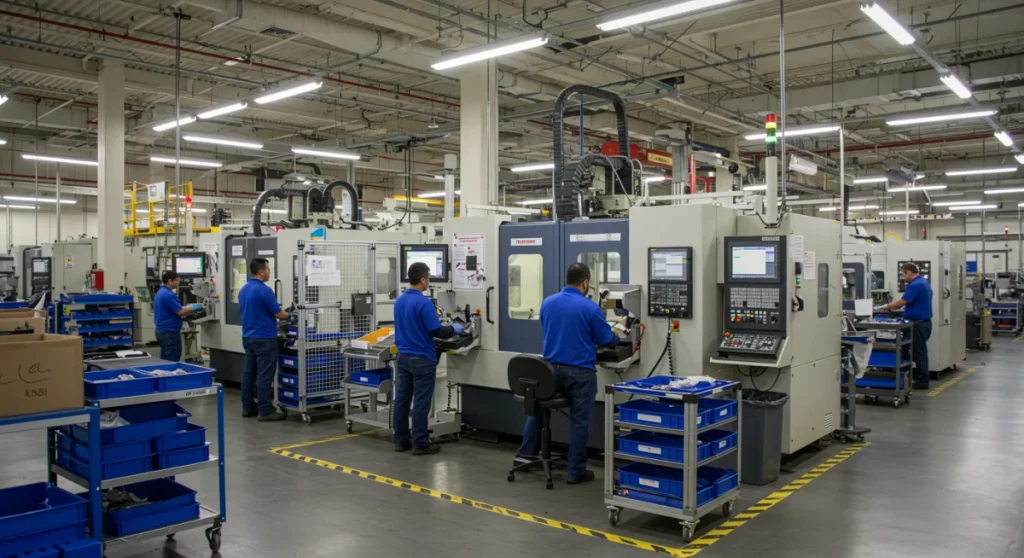
Implementing lean principles in US manufacturing offers a strategic pathway to significantly enhance operational efficiency, targeting a substantial 15% cost reduction by the end of 2025 through focused waste elimination and process optimization.
The landscape of US manufacturing is constantly evolving, presenting both challenges and unparalleled opportunities for growth. Achieving a 15% cost reduction by the end of 2025 through enhanced operational efficiency in US manufacturing is not merely an ambitious goal but a critical imperative for sustained competitiveness. This article explores practical solutions rooted in lean principles, detailing their financial impact and providing actionable strategies for American manufacturers.
Understanding Lean Principles in US Manufacturing
Lean manufacturing, originating from the Toyota Production System, is a systematic method for the elimination of waste within a manufacturing system. It emphasizes maximizing customer value while minimizing waste. For US manufacturers, embracing lean principles means more than just cutting costs; it means fostering a culture of continuous improvement, innovation, and responsiveness to market demands.
The core objective of lean is to identify and eliminate activities that do not add value for the customer. These non-value-added activities, often referred to as ‘Muda’ in lean terminology, consume resources without contributing to the final product’s worth. By systematically addressing these wastes, manufacturers can streamline operations, reduce lead times, and ultimately deliver higher quality products more efficiently.
The Five Core Principles of Lean
- Define Value: Identify what the customer truly values and is willing to pay for. This forms the basis for all subsequent lean activities.
- Map the Value Stream: Document all steps in the production process, from raw materials to the finished product, to identify waste and areas for improvement.
- Create Flow: Eliminate interruptions and bottlenecks to ensure a smooth, continuous flow of production.
- Establish Pull: Produce only what the customer demands, when they demand it, avoiding overproduction and excess inventory.
- Seek Perfection: Continuously strive for improvement through iterative cycles, making lean an ongoing journey rather than a one-time project.
Adopting these principles allows US manufacturers to transform their operations, moving from traditional batch-and-queue systems to more agile and responsive production models. This shift not only reduces operational costs but also enhances flexibility, enabling companies to adapt more quickly to changing market conditions and customer preferences.
In essence, lean principles provide a robust framework for manufacturers to critically evaluate their processes, challenge existing norms, and implement changes that drive tangible improvements. The journey towards lean is a cultural one, requiring commitment from leadership and active participation from all employees to realize its full potential.
Identifying and Eliminating Waste (Muda)
The bedrock of lean manufacturing rests on the rigorous identification and elimination of waste. In a typical manufacturing environment, various forms of waste can significantly inflate costs and impede productivity. Understanding these wastes is the first step towards achieving the targeted 15% cost reduction.
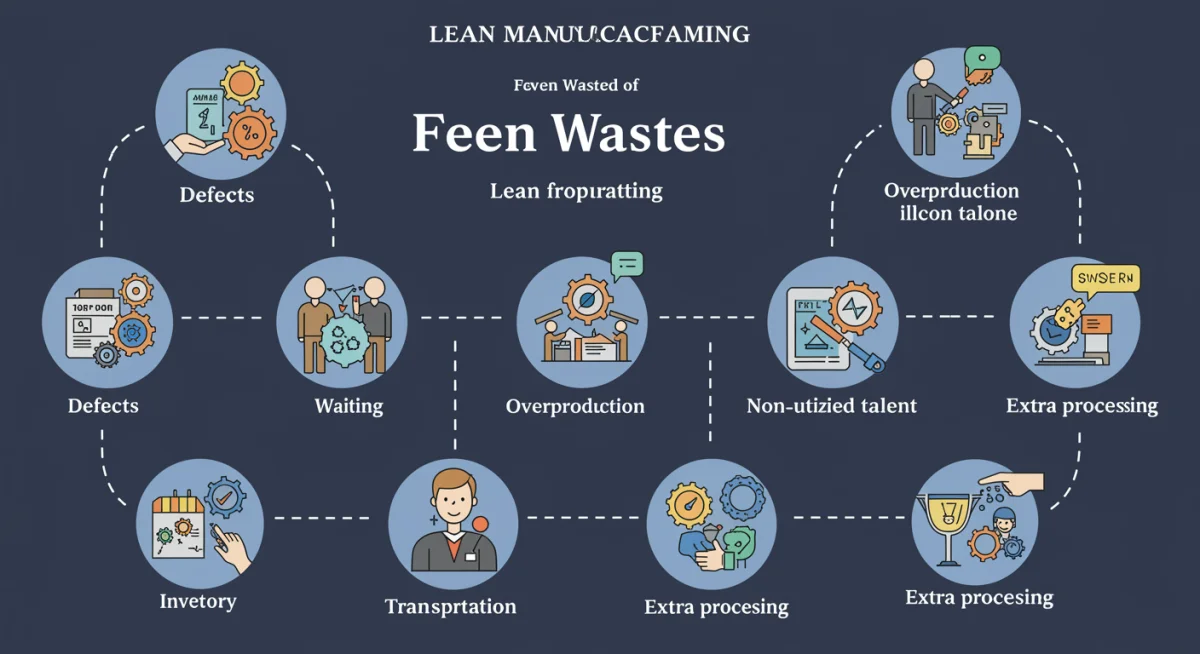
The seven classic wastes, often remembered by the acronym TIMWOOD (Transportation, Inventory, Motion, Waiting, Overproduction, Over-processing, Defects), provide a comprehensive checklist for manufacturers to scrutinize their operations. Each waste type represents an opportunity for improvement and cost savings.
Common Types of Waste in Manufacturing
- Defects: Products or services that fail to meet quality standards, leading to rework, scrap, and warranty claims.
- Overproduction: Producing more than is needed, or sooner than needed, resulting in excess inventory, storage costs, and potential obsolescence.
- Waiting: Idle time for workers, equipment, or materials, often due to bottlenecks, unbalanced lines, or poor scheduling.
- Non-utilized Talent: Underutilizing the skills, knowledge, and creativity of the workforce. This is a critical waste in modern manufacturing.
- Transportation: Unnecessary movement of materials, products, or information, which adds no value and increases the risk of damage.
- Inventory: Excess raw materials, work-in-progress, or finished goods beyond what is immediately required, tying up capital and space.
- Motion: Unnecessary movement of people or equipment within a workstation or process, leading to inefficiency and fatigue.
By systematically analyzing their value streams, US manufacturers can pinpoint where these wastes occur and develop targeted strategies for their elimination. Tools like value stream mapping, 5S, and Kaizen events are instrumental in this process. For instance, reducing defects not only saves on rework costs but also enhances customer satisfaction and brand reputation.
Eliminating waste is not a one-time event; it requires a continuous improvement mindset. Regular audits, performance metrics, and employee engagement are crucial for sustaining waste reduction efforts and ensuring that new forms of waste do not emerge as processes evolve. The financial impact of waste elimination is direct and substantial, contributing directly to the 15% cost reduction goal.
Practical Solutions: Implementing Lean Tools and Techniques
Translating lean principles into tangible cost savings requires the strategic application of various lean tools and techniques. These practical solutions empower manufacturers to optimize their processes, reduce inefficiencies, and foster a culture of continuous improvement. The careful selection and implementation of these tools are pivotal for achieving significant operational efficiency gains.
Many lean tools are designed to be easily understood and implemented by frontline workers, promoting a sense of ownership and engagement. Their effectiveness lies in their ability to provide clear, actionable insights into process shortcomings and potential areas for improvement.
Key Lean Tools for Manufacturers
- 5S Methodology: A systematic approach to workplace organization and standardization (Sort, Set in Order, Shine, Standardize, Sustain). A well-organized workplace reduces wasted motion, improves safety, and enhances productivity.
- Kaizen (Continuous Improvement): A philosophy and practice focused on small, incremental changes made regularly by all employees. Kaizen events are short, intense periods dedicated to improving a specific process.
- Value Stream Mapping (VSM): A visual tool used to map the entire flow of a product or service, from raw materials to the customer. VSM helps identify non-value-added steps and opportunities for creating flow.
- Kanban: A scheduling system for lean and JIT (Just-in-Time) production, which visually signals when to produce and transport materials. Kanban prevents overproduction and reduces inventory levels.
- Total Productive Maintenance (TPM): An approach to equipment maintenance that aims to achieve perfect production by eliminating breakdowns, minor stops, and defects. TPM empowers operators to perform routine maintenance.
Implementing these tools often begins with pilot programs in specific areas of the plant, allowing manufacturers to learn and refine their approach before scaling across the entire operation. Training employees at all levels in lean methodologies is essential for successful adoption and sustained results. This includes not just understanding the tools but also the underlying philosophy of waste reduction and continuous improvement.
The cumulative effect of applying these practical solutions across various departments can lead to substantial improvements in throughput, quality, and cost efficiency. Each successful implementation contributes directly to the overarching goal of a 15% cost reduction, making the manufacturing process more robust and competitive.
Financial Impact: Quantifying Cost Reduction
The ultimate measure of success for any operational improvement initiative, especially in manufacturing, is its financial impact. Implementing lean principles is not just about philosophical adherence; it is about delivering measurable cost reductions that directly impact the bottom line. Quantifying these savings is crucial for demonstrating ROI and securing continued investment in lean initiatives.
The 15% cost reduction target by 2025 is ambitious but achievable when lean principles are applied rigorously and consistently. These savings manifest in various forms, from reduced material waste to lower labor costs and optimized inventory holdings.
Areas of Financial Impact from Lean Implementation
A primary area of impact is the reduction in direct manufacturing costs. By eliminating defects, manufacturers save on rework, scrap, and warranty expenses. Overproduction is curtailed, leading to reduced storage costs, less material obsolescence, and better cash flow management. Optimized transportation and motion reduce internal logistics costs and improve worker efficiency.
Indirect costs also see significant improvements. Reduced lead times mean faster market responsiveness, potentially increasing sales and market share. Improved quality leads to higher customer satisfaction and fewer customer service issues. Better utilization of equipment through TPM reduces maintenance costs and extends asset life.
For example, a typical manufacturing plant might realize a 5-10% reduction in material waste alone through process optimization and defect prevention. Labor efficiency gains from streamlined processes and reduced waiting times can contribute another 3-7% in cost savings. Inventory reductions can free up significant working capital, impacting the balance sheet favorably.
To accurately track the financial impact, manufacturers must establish clear key performance indicators (KPIs) before and after lean implementation. These might include cost of goods sold (COGS), inventory turnover, defect rates, lead times, and overall equipment effectiveness (OEE). Regular financial audits and performance reviews are vital to confirm the realized savings and to adjust strategies as needed.
The cumulative effect of these savings streams can indeed reach and even exceed the 15% target. This makes lean manufacturing not just an operational strategy but a powerful financial lever for US manufacturers looking to strengthen their competitive position in a demanding global market.
Overcoming Challenges in Lean Adoption
While the benefits of lean manufacturing are clear, successful adoption in US manufacturing environments is not without its challenges. Cultural resistance, lack of sustained leadership commitment, and insufficient training are common hurdles that can derail even the most well-intentioned lean initiatives. Addressing these challenges proactively is crucial for achieving the desired 15% cost reduction by 2025.
A common pitfall is viewing lean as a set of tools rather than a holistic philosophy. Without a fundamental shift in mindset, lean implementations can become superficial and temporary, failing to deliver long-term results. The ‘flavor of the month’ syndrome often plagues organizations that do not fully commit to the cultural transformation required.
Key Challenges and Solutions
- Cultural Resistance: Employees may resist change due to fear of the unknown, job security concerns, or simply being comfortable with existing processes.
Solution: Foster a culture of open communication, involve employees in the planning and implementation process, and highlight the benefits for individual workers and the company as a whole. Provide extensive training and celebrate small victories. - Lack of Leadership Commitment: Lean initiatives often falter without visible and sustained support from top management.
Solution: Leaders must champion lean, allocate necessary resources, participate in lean activities, and consistently communicate the strategic importance of operational efficiency. Their commitment sets the tone for the entire organization. - Insufficient Training and Education: A lack of understanding of lean principles and tools can lead to incorrect implementation and frustration.
Solution: Invest in comprehensive training programs for all levels, from the shop floor to management. Emphasize hands-on learning and provide continuous coaching and mentorship. - Short-Term Focus vs. Long-Term Vision: The pressure for immediate results can tempt companies to abandon lean before its full benefits are realized.
Solution: Set realistic expectations, track progress with both short-term and long-term KPIs, and communicate that lean is a journey of continuous improvement, not a quick fix.
Overcoming these challenges requires a strategic and patient approach. It involves building a robust support system, celebrating successes, and learning from failures. Engaging employees at all levels, from the shop floor to senior management, is paramount. When everyone understands their role in the lean transformation, the likelihood of achieving significant and sustainable cost reductions dramatically increases.
Ultimately, successful lean adoption transforms an organization into a continuously learning and improving entity, capable of adapting to market changes and maintaining a strong competitive edge.
Sustaining Lean Improvements and Future Outlook
Achieving a 15% cost reduction by 2025 through lean principles is a significant milestone, but the true challenge lies in sustaining these improvements and continuing the journey towards operational excellence. Lean is not a destination but a continuous process of refinement and adaptation. Manufacturers must institutionalize lean practices to ensure long-term benefits and resilience.
Sustaining lean means embedding its principles into the organizational culture, making continuous improvement an inherent part of daily operations. This requires ongoing vigilance, regular reviews, and a commitment to adapting lean methodologies to evolving business needs and technological advancements.
Strategies for Sustaining Lean Improvements
One critical strategy is the establishment of a robust performance measurement system that tracks key lean metrics consistently. These metrics should be visible to all employees, fostering accountability and providing immediate feedback on improvement efforts. Regular audits and reviews help ensure adherence to standardized processes and identify any backsliding.
Another vital element is continuous training and development. As new employees join or existing ones move into new roles, ensuring they are well-versed in lean principles and tools is essential. Furthermore, advanced training can help existing lean practitioners deepen their expertise and tackle more complex problems.
Empowering employees to identify and solve problems independently is also crucial. This decentralization of problem-solving, often through structured methodologies like A3 thinking, ensures that improvements are driven from the ground up, fostering a sense of ownership and innovation. Creating platforms for sharing best practices across different departments or plants can accelerate learning and propagate successful solutions.
The future outlook for lean in US manufacturing is bright, particularly with the integration of Industry 4.0 technologies. Digital tools like IoT, AI, and advanced analytics can enhance lean practices by providing real-time data for waste identification, predictive maintenance, and optimized scheduling. This synergy between lean and technology offers new avenues for achieving even greater levels of operational efficiency and cost reduction beyond the initial 15% target.
By focusing on cultural entrenchment, continuous learning, and technological integration, US manufacturers can not only sustain their lean gains but also build a resilient, highly efficient, and globally competitive operational model for the long term.
| Key Aspect | Brief Description |
|---|---|
| Lean Principles | Focus on maximizing customer value while systematically minimizing waste (Muda) in all production processes. |
| Waste Elimination | Identifying and removing non-value-added activities like defects, overproduction, waiting, and excess inventory. |
| Cost Reduction Target | Aiming for a 15% reduction in operational costs by the end of 2025 through lean implementation. |
| Sustaining Improvements | Embedding lean into culture, continuous training, and leveraging technology for long-term operational excellence. |
Frequently Asked Questions About Lean Manufacturing
▼
The primary goal of lean manufacturing is to maximize customer value while minimizing waste. It focuses on identifying and eliminating non-value-added activities within the production process to enhance efficiency, reduce costs, and improve overall quality.
▼
Lean principles achieve cost reduction by systematically eliminating various forms of waste, such as defects, overproduction, excessive inventory, and unnecessary motion. These eliminations lead to lower material, labor, and overhead costs, directly impacting the bottom line.
▼
Major challenges include cultural resistance to change, lack of consistent leadership commitment, and insufficient employee training. Overcoming these requires strong communication, active engagement, and continuous education to foster a lean mindset throughout the organization.
▼
Absolutely. Lean principles are scalable and beneficial for manufacturers of all sizes. Smaller companies often have more agility to implement changes quickly, and even minor waste reductions can significantly improve their competitiveness and profitability.
▼
Industry 4.0 technologies like IoT, AI, and data analytics can significantly enhance lean by providing real-time data for waste identification, optimizing processes, and enabling predictive maintenance. This integration drives further efficiency and smarter decision-making.
Conclusion
The pursuit of enhanced operational efficiency in US manufacturing through the diligent application of lean principles is more than a strategic choice; it is an economic imperative. The ambitious target of a 15% cost reduction by the end of 2025 is well within reach for manufacturers committed to this transformative journey. By systematically identifying and eliminating waste, leveraging practical lean tools, and fostering a culture of continuous improvement, American industries can not only achieve significant financial savings but also bolster their competitive edge in the global market. The future of US manufacturing hinges on embracing these methodologies, ensuring resilience, innovation, and sustainable growth.