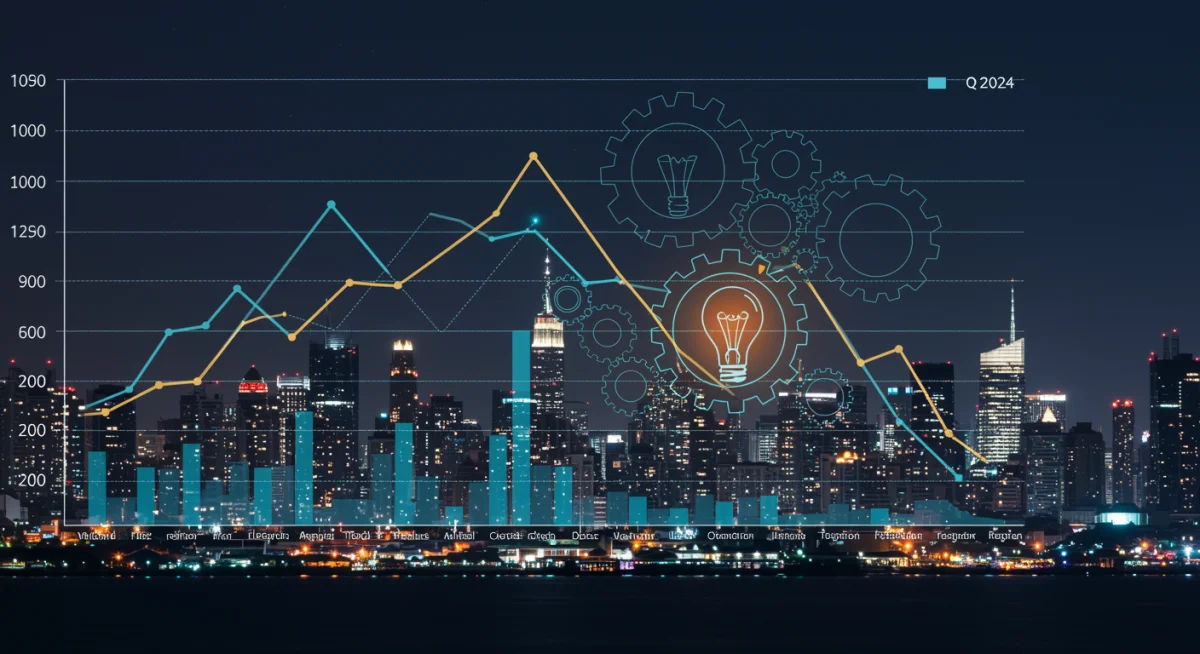
A projected 15% fluctuation in oil futures for 2025 stands to significantly reshape U.S. business costs, influencing everything from supply chains and manufacturing to consumer prices and overall economic stability.
The intricate dance of global economics often finds its rhythm dictated by the pulse of energy markets. When we talk about oil futures fluctuation, particularly a projected 15% shift in 2025, we’re not just discussing numbers on a screen; we’re delving into a phenomenon that will fundamentally reshape U.S. business costs across nearly every sector. This isn’t merely an abstract financial forecast; it’s a tangible force poised to ripple through supply chains, manufacturing processes, and ultimately, the pockets of American consumers.
Understanding the Mechanics of Oil Futures and Their Volatility
Oil futures are essentially contracts to buy or sell crude oil at a predetermined price on a future date. They are critical indicators of market sentiment and future supply-demand dynamics. A projected 15% fluctuation, whether up or down, signals significant expected volatility, driven by a complex interplay of geopolitical events, production levels, and global economic health.
The U.S. economy, despite its ongoing shift towards renewable energy, remains heavily reliant on fossil fuels. This dependency makes businesses vulnerable to price swings in crude oil. Futures markets provide a glimpse into these potential shifts, allowing companies to prepare, or at least attempt to mitigate, the financial impact.
Key Drivers of Oil Futures Volatility
Several factors contribute to the unpredictable nature of oil futures. Understanding these drivers is crucial for businesses aiming to navigate the forthcoming economic landscape.
- Geopolitical Instability: Conflicts or political tensions in major oil-producing regions can disrupt supply, leading to price spikes.
- OPEC+ Decisions: The Organization of the Petroleum Exporting Countries and its allies (OPEC+) often influence global supply through production quotas, directly impacting prices.
- Global Economic Growth: Strong economic growth typically boosts demand for oil, pushing prices higher, while slowdowns can lead to decreases.
- Inventory Levels: High crude oil inventories can depress prices, whereas low inventories tend to support higher prices.
These elements combine to create a dynamic environment where a 15% swing in oil futures is not just possible but increasingly probable. Businesses must recognize that such fluctuations are not isolated events but rather interconnected threads in the global economic tapestry.
Direct Impacts on Manufacturing and Production Costs
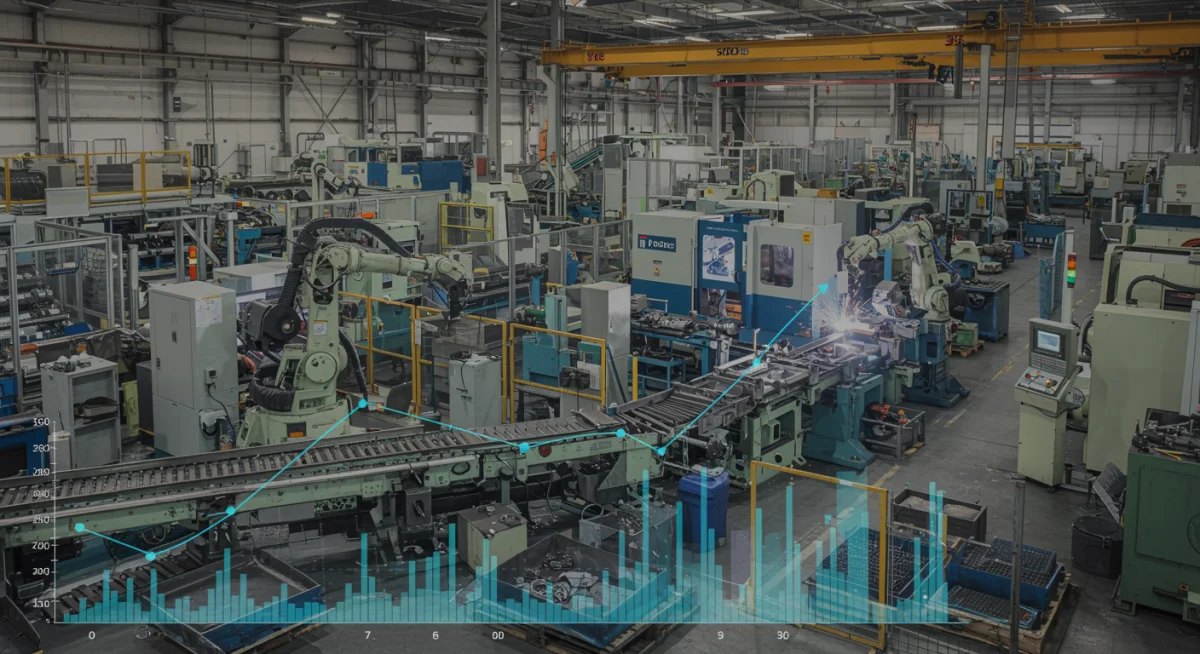
The manufacturing sector stands at the forefront of vulnerability to significant changes in energy prices. Oil is not only a fuel for transportation but a fundamental raw material in countless industrial processes. A 15% fluctuation in oil futures will inevitably translate into higher or lower operational costs, directly affecting profitability and strategic planning.
For example, petrochemical industries rely heavily on crude oil derivatives. A price increase immediately inflates the cost of producing plastics, synthetic fibers, and various chemicals. These increased costs then cascade down the supply chain, impacting manufacturers who use these materials.
Cascading Effects on Material Inputs
Consider the production of common goods. From the plastic casing of electronic devices to the synthetic components in apparel, oil derivatives are ubiquitous. A substantial rise in oil prices means:
- Higher Raw Material Costs: Companies sourcing materials derived from petroleum will face increased input expenses.
- Increased Energy Consumption Costs: Operating heavy machinery and maintaining factory temperatures require significant energy, often generated using fossil fuels.
- Logistical Challenges: The cost of transporting raw materials to factories and finished goods to markets escalates, adding another layer of expense.
Conversely, a 15% decrease in oil futures could offer a welcome reprieve, reducing these operational burdens and potentially stimulating production. However, the uncertainty of which direction the fluctuation will take makes strategic planning a complex endeavor for U.S. manufacturers.
Transportation and Logistics: A Critical Junction
No sector feels the immediate pinch of oil price changes quite like transportation and logistics. Fuel costs represent a significant portion of operating expenses for trucking companies, airlines, shipping lines, and even local delivery services. A 15% oil futures fluctuation will necessitate immediate adjustments across the entire supply chain, impacting everything from delivery schedules to pricing strategies.
When fuel prices rise, companies face a difficult choice: absorb the increased costs, which erodes profit margins, or pass them on to consumers, which can lead to higher prices for goods and services. This decision has far-reaching implications for inflation and consumer spending.
Navigating Fuel Surcharges and Operational Shifts
Logistics providers often implement fuel surcharges to cope with volatile energy prices. These surcharges are directly tied to the price of fuel and are adjusted periodically. A projected 15% fluctuation means:
- Dynamic Surcharge Adjustments: Businesses will see more frequent and potentially larger adjustments to fuel surcharges, complicating budgeting and forecasting.
- Route Optimization: Companies may invest more in optimizing delivery routes to minimize fuel consumption, potentially leading to longer transit times in some cases.
- Fleet Modernization: There could be an accelerated push towards more fuel-efficient vehicles or alternative fuel sources to hedge against future volatility.
Such shifts are not merely operational; they represent fundamental changes in how goods move across the country. The efficiency and cost-effectiveness of these systems are paramount to the broader U.S. economy, making the impact of oil futures fluctuations particularly acute here.
Consumer Spending and Inflationary Pressures
The ripple effect of oil price changes extends directly to the consumer. When businesses face higher energy and transportation costs, these expenses are often reflected in the prices of goods and services. A 15% fluctuation in oil futures, especially an upward trend, could trigger significant inflationary pressures, eroding purchasing power and altering spending habits.
Households feel this impact in multiple ways. Higher gasoline prices directly affect daily commutes and travel plans. Increased production and transportation costs for food, clothing, and other necessities mean a higher cost of living. This can lead to consumers cutting back on discretionary spending, which in turn can slow economic growth.
The Inflationary Feedback Loop
The relationship between oil prices and inflation is often cyclical. Rising oil prices contribute to:
- Increased Production Costs: As discussed, businesses pay more for energy and materials.
- Higher Transportation Costs: The cost of moving goods increases.
- Consumer Price Hikes: Businesses pass on these increased costs to consumers.
- Wage Demands: Workers may demand higher wages to offset the increased cost of living, potentially creating a wage-price spiral.
Conversely, a downward fluctuation in oil futures could provide some relief, easing inflationary pressures and potentially boosting consumer confidence. However, the uncertainty inherent in a 15% swing means both businesses and consumers must prepare for potential adjustments in their financial strategies.
Strategic Responses for U.S. Businesses in 2025
Given the projected 15% oil futures fluctuation in 2025, U.S. businesses must proactively develop robust strategies to mitigate risks and capitalize on potential opportunities. A reactive approach will likely prove insufficient in an environment of such volatility. Strategic planning needs to encompass financial hedging, operational efficiency, and supply chain resilience.
Companies that can adapt quickly and strategically will be better positioned to weather the storm or leverage favorable conditions. This requires a deep understanding of their energy exposure and the flexibility to implement changes swiftly.
Key Strategies for Adaptation
Businesses looking to thrive amidst energy price volatility should consider:
- Hedging Strategies: Utilizing financial instruments like futures contracts or options can help lock in prices for future energy needs, providing cost predictability.
- Energy Efficiency Investments: Investing in energy-efficient machinery, processes, and infrastructure can reduce overall energy consumption, thereby lessening exposure to price swings.
- Diversifying Energy Sources: Exploring renewable energy options or alternative fuels can reduce reliance on traditional crude oil derivatives.
- Supply Chain Optimization: Re-evaluating supply chain routes, sourcing closer to home, or building redundancy can reduce transportation costs and risks.
These proactive measures are not just about cost control; they are about building a more resilient and sustainable business model capable of navigating the unpredictable energy landscape of 2025 and beyond. Foresight and strategic investment will be key determinants of success.
Long-Term Economic Implications and Policy Considerations
Beyond the immediate impacts on business costs, a significant oil futures fluctuation in 2025 carries broader long-term economic implications for the U.S. economy. Such volatility can influence investment decisions, trade balances, and even national security. Policymakers will face pressure to implement measures that stabilize energy markets or cushion the economy from severe shocks.
Sustained periods of high energy prices can stifle economic growth, deter foreign investment, and exacerbate trade deficits. Conversely, consistently low prices, while beneficial for consumers in the short term, can disincentivize domestic energy production and investment in alternative energy sources.
Governmental and Corporate Policy Responses
Addressing the challenges posed by oil price volatility requires a multi-faceted approach involving both governmental and corporate strategies:
- Strategic Petroleum Reserve (SPR): The U.S. government can utilize the SPR to release oil during supply disruptions, helping to stabilize prices.
- Renewable Energy Incentives: Policies promoting investment in solar, wind, and other renewable energy sources can reduce long-term dependence on fossil fuels.
- Infrastructure Development: Investments in modernizing energy transmission and transportation infrastructure can improve efficiency and reduce costs.
- International Cooperation: Engaging with global partners to ensure stable oil supplies and manage geopolitical risks is crucial.
Ultimately, the long-term health of the U.S. economy in the face of energy price volatility hinges on a combination of robust business strategies and supportive governmental policies aimed at fostering energy independence and resilience.
| Key Impact Area | Brief Description of Effect |
|---|---|
| Manufacturing Costs | Directly impacts raw material and operational expenses for industries reliant on petroleum derivatives. |
| Transportation & Logistics | Significant changes in fuel costs affecting shipping, delivery, and supply chain efficiency. |
| Consumer Spending & Inflation | Fluctuations can lead to higher consumer prices for goods and services, impacting purchasing power. |
| Strategic Business Response | Necessitates hedging, efficiency investments, and supply chain diversification for resilience. |
Frequently Asked Questions About Oil Futures and Business Costs
A 15% fluctuation can significantly affect GDP. An increase typically slows growth due to higher production and consumer costs, potentially leading to reduced economic activity. Conversely, a decrease often stimulates growth by lowering business expenses and boosting consumer spending power, fostering a more dynamic economic environment.
Industries most vulnerable include transportation (airlines, trucking, shipping), manufacturing (especially petrochemicals and plastics), and agriculture (due to fuel for machinery and fertilizer production). Any sector with high energy consumption or significant reliance on petroleum-derived inputs faces substantial exposure to price volatility.
Yes, businesses can utilize various hedging strategies, such as purchasing oil futures contracts or options, to lock in future prices. This provides predictability for energy costs, protecting against adverse price movements. However, hedging involves its own risks and requires careful management and market analysis to be effective.
Geopolitical events are major drivers of oil futures volatility. Conflicts, political instability, or sanctions in major oil-producing regions can disrupt supply, leading to immediate price surges as markets anticipate shortages. Conversely, diplomatic resolutions or increased stability can ease supply concerns and contribute to price decreases.
An upward 15% shift in oil prices would likely accelerate renewable energy adoption by making green alternatives more economically competitive. A downward shift, however, could slow this transition by making fossil fuels temporarily more attractive. Ultimately, sustained volatility highlights the strategic importance of diversifying energy sources.
Conclusion
The projected 15% oil futures fluctuation in 2025 is more than a mere forecast; it’s a significant economic signal that U.S. businesses cannot afford to ignore. From reshaping manufacturing and transportation costs to influencing consumer spending and inflation, the ripple effects will be profound and far-reaching. Proactive strategic planning, including hedging, energy efficiency investments, and supply chain optimization, will be crucial for businesses to navigate this volatile landscape. Ultimately, the ability to adapt and innovate in the face of energy price uncertainty will determine economic resilience and competitive advantage in the coming year.