Leading US manufacturers are pioneering sustainable packaging innovations, aiming to cut waste by 35% by 2025 through eco-friendly materials and circular economy principles, demonstrating a pivotal commitment to environmental responsibility and market leadership.
The landscape of American manufacturing is undergoing a profound transformation, driven by an urgent need for environmental stewardship and consumer demand for greener products. At the forefront of this change are groundbreaking sustainable packaging innovations, which are not just reducing waste but redefining how products are made, delivered, and consumed. This movement is critical, especially with the ambitious goal of reducing manufacturing waste by 35% by 2025.
The imperative for sustainable packaging
The global environmental crisis, marked by escalating plastic pollution and resource depletion, has placed unprecedented pressure on industries to adopt sustainable practices. For US manufacturing, this translates into a significant shift from traditional packaging methods to innovative, eco-friendly alternatives. The drive for sustainability is no longer merely a corporate social responsibility initiative; it is a fundamental business imperative, influencing consumer choices, regulatory frameworks, and supply chain efficiencies.
Consumers are increasingly aware of the environmental impact of their purchases, leading to a noticeable preference for brands that demonstrate a genuine commitment to sustainability. This growing consciousness has spurred companies across various sectors to re-evaluate their packaging strategies, seeking solutions that minimize ecological footprints without compromising product integrity or consumer convenience.
Understanding the impact of traditional packaging
- Resource Depletion: Conventional packaging often relies on virgin materials, contributing to deforestation, fossil fuel extraction, and habitat destruction.
- Pollution: The production and disposal of traditional packaging release greenhouse gases, air pollutants, and toxic chemicals into the environment.
- Waste Accumulation: A significant portion of packaging ends up in landfills or pollutes oceans, taking hundreds of years to decompose.
Addressing these challenges requires a holistic approach that encompasses material selection, design for circularity, and end-of-life considerations. The focus is on creating packaging that is either reusable, recyclable, compostable, or made from renewable resources, thereby closing the loop on material cycles and fostering a more sustainable economy.
Driving forces behind the 35% waste reduction target
The ambitious goal of a 35% waste reduction by 2025 is not arbitrary; it is a response to a confluence of regulatory pressures, consumer expectations, and technological advancements. This target underscores a collective commitment from industry leaders and policymakers to mitigate environmental damage and foster a more sustainable industrial ecosystem. Achieving this goal requires a concerted effort across the entire value chain, from raw material sourcing to product delivery and disposal.
Regulatory bodies, both at federal and state levels, are implementing stricter guidelines concerning waste management and packaging materials. These regulations often include extended producer responsibility (EPR) schemes, which hold manufacturers accountable for the entire lifecycle of their products and packaging. Such policies incentivize companies to design packaging that is easily recyclable or compostable, thereby reducing the burden on municipal waste systems.
Consumer demand and brand reputation
- Eco-conscious Consumers: A significant segment of the market actively seeks out products with sustainable packaging, influencing purchasing decisions.
- Brand Loyalty: Companies demonstrating strong environmental commitments often build deeper trust and loyalty with their customer base.
- Market Differentiation: Sustainable packaging can serve as a powerful differentiator in a competitive market, attracting new customers and enhancing brand image.
Beyond external pressures, many companies are recognizing the intrinsic value of sustainability. Embracing eco-friendly practices can lead to operational efficiencies, cost savings through reduced material usage, and improved public relations. The drive for waste reduction is thus a multidimensional endeavor, propelled by a blend of ethical considerations, economic incentives, and a forward-looking vision for industrial sustainability.
Pioneering companies and their innovative solutions
Several US companies are at the forefront of this sustainable revolution, developing and implementing innovative packaging solutions that are setting new industry standards. These pioneers are not just adopting existing eco-friendly materials; they are actively investing in research and development to create novel solutions that address specific packaging challenges while minimizing environmental impact. Their efforts are crucial in demonstrating the viability and scalability of sustainable packaging innovations.
These companies represent a diverse range of industries, from food and beverage to consumer goods and e-commerce. Their strategies often involve a combination of material innovation, design optimization, and circular economy principles. By sharing their successes and challenges, they are paving the way for broader adoption of sustainable practices across the US manufacturing sector.
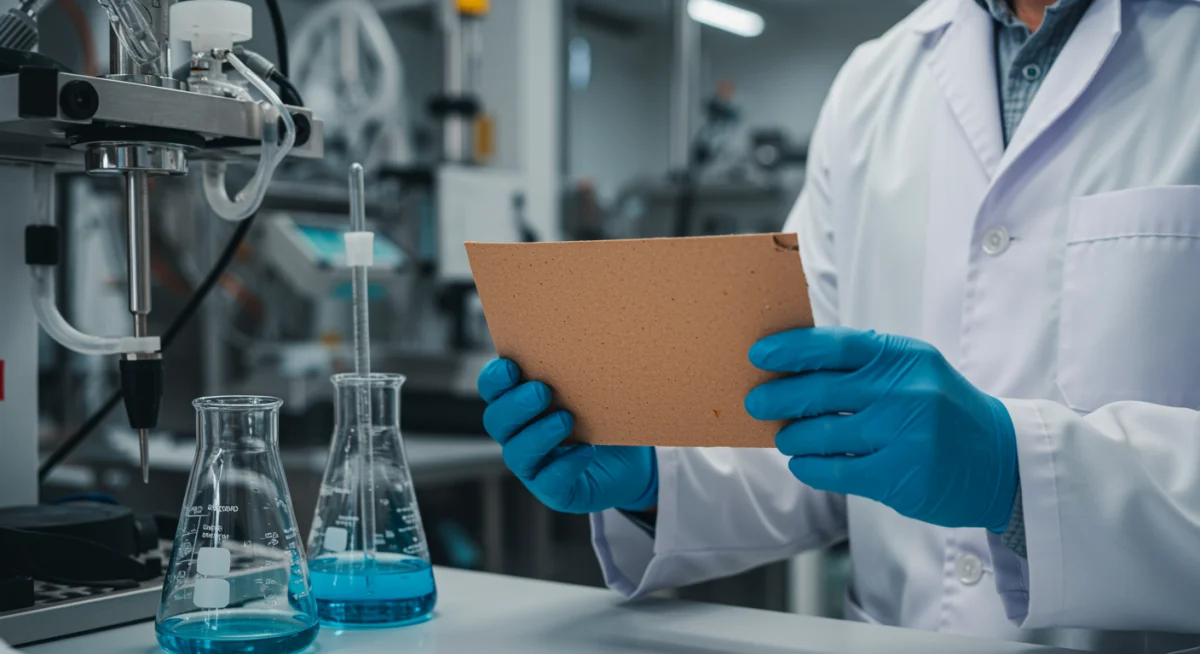
Company 1: Ecovative Design – Mushroom-based packaging
Ecovative Design is revolutionizing packaging with its mycelium-based materials. This innovative company utilizes mushroom roots to grow custom-molded packaging that is entirely compostable and biodegradable. Their products offer a sustainable alternative to traditional polystyrene and other non-recyclable foams, particularly in protective packaging applications.
- Material: Mycelium (mushroom roots) grown on agricultural waste.
- Benefits: Fully compostable, biodegradable, renewable, and cost-competitive.
- Applications: Protective packaging for electronics, cosmetics, and fragile goods.
Ecovative’s technology showcases the power of biomimicry, leveraging natural processes to create high-performance, environmentally benign materials. Their commitment to scaling this technology is critical for driving significant waste reduction in various industries.
Company 2: Notpla – Seaweed-based films and coatings
Notpla, though based in the UK, has a significant impact on US manufacturing by offering seaweed-based packaging solutions. Their edible and biodegradable films and coatings provide a compelling alternative to single-use plastics, particularly for liquid sachets and food containers. Their technology is gaining traction in the US market as companies seek genuinely compostable and ocean-safe alternatives.
The company’s innovative approach involves extracting polymers from seaweed to create materials that disappear naturally, leaving no trace. This directly addresses the pervasive problem of plastic pollution in waterways and landfills. Their products are not only sustainable but also offer unique functional properties for various applications.
Company 3: Loop – Reusable packaging systems
Loop, a global reuse platform, is disrupting the traditional linear consumption model by partnering with major brands to offer products in durable, reusable packaging. Consumers purchase products in Loop’s specialized containers, which are then collected, cleaned, refilled, and reused. This system significantly reduces single-use packaging waste across various product categories.
Loop’s model requires a fundamental shift in consumer behavior and supply chain logistics, but its potential for waste reduction is immense. By focusing on the reuse of high-quality containers, Loop contributes to a circular economy where resources are kept in use for as long as possible. Their partnerships with large CPG companies in the US are crucial for mainstream adoption.
- Model: Circular reuse platform for consumer goods.
- Benefits: Eliminates single-use packaging, reduces material consumption, fosters brand loyalty.
- Challenges: Requires robust logistics for collection and cleaning, consumer behavior change.
The success of Loop demonstrates that consumers are willing to embrace new purchasing models if they offer convenience and align with their sustainability values. This platform is a powerful example of how systemic change can drive significant waste reduction.
Company 4: PulpWorks – Molded fiber packaging
PulpWorks specializes in creating molded fiber packaging from 100% post-consumer waste paper and other natural fibers. Their solutions offer a sustainable and cost-effective alternative to plastic trays and clamshells, particularly for consumer electronics, cosmetics, and food products. This approach diverts waste from landfills and utilizes readily available recycled materials.
Molded fiber packaging is not only biodegradable and compostable but also offers excellent protective qualities, making it a viable option for a wide range of products. PulpWorks’ commitment to using post-consumer waste ensures a truly circular approach to packaging production. Their designs are often custom-engineered to provide optimal product fit and protection.
Advantages of molded fiber packaging
- Material Source: 100% recycled paper and natural fibers.
- End-of-Life: Biodegradable, compostable, and recyclable.
- Versatility: Suitable for various product shapes and sizes, offering good cushioning properties.
By transforming waste into valuable packaging, PulpWorks exemplifies how innovative material science can address both environmental concerns and industrial needs. Their work is vital in reducing reliance on virgin plastics and promoting a more resource-efficient economy.
Company 5: Loliware – Edible and compostable bioplastics
Loliware is pioneering the development of edible and hyper-compostable bioplastics derived from seaweed. Their focus is on creating materials that can replace single-use plastics in items like straws, cups, and cutlery. These products are designed to either be eaten after use or composted in a backyard, completely disappearing within weeks.
The innovation lies in their proprietary blend of seaweed and minerals, which results in a material that is both functional and environmentally benign. Loliware’s solutions offer a compelling answer to the problem of plastic pollution, particularly in the food service industry where single-use items are prevalent. Their expansion into the US market is providing businesses with truly sustainable alternatives.
Loliware’s approach offers a dual benefit: reducing plastic waste and, in some cases, providing a nutritional component. This forward-thinking strategy positions them as a key player in the future of sustainable packaging. Their commitment to rapid compostability sets a high bar for other bioplastic manufacturers.
Company 6: Genpak – Sustainable food packaging solutions
Genpak, a leading US manufacturer of food packaging, has made significant strides in sustainable packaging by offering a wide range of products made from renewable and recycled materials. Their offerings include containers made from sugarcane (bagasse), recycled PET, and compostable plastics (PLA). They are actively working to reduce their environmental footprint across their product lines.
Genpak’s strategy involves providing diverse sustainable options to meet varied customer needs, ensuring that businesses can find eco-friendly packaging suitable for their specific applications. Their focus on both renewable resources and recycled content helps to advance the circular economy within the food service industry. By continually innovating, Genpak supports the broader goal of waste reduction.
Genpak’s sustainable product range
- Sugarcane (Bagasse) Products: Biodegradable and compostable containers made from a rapidly renewable resource.
- Recycled PET: Utilizes post-consumer recycled plastic to reduce reliance on virgin materials.
- Compostable PLA: Plant-based bioplastics that are compostable in industrial facilities.
Genpak’s commitment to offering a comprehensive suite of sustainable food packaging solutions highlights the industry’s evolving response to environmental challenges. Their efforts are crucial in enabling restaurants, caterers, and food retailers to adopt more eco-friendly practices.
| Key Innovation | Impact on Waste Reduction |
|---|---|
| Mushroom-based Packaging | Replaces polystyrene, fully compostable and biodegradable. |
| Seaweed-based Films | Biodegradable alternative to single-use plastics, ocean-safe. |
| Reusable Packaging Systems | Eliminates single-use waste through refill and reuse models. |
| Molded Fiber Solutions | Utilizes 100% post-consumer waste, compostable and recyclable. |
Frequently asked questions about sustainable packaging
Sustainable packaging innovations involve developing and implementing packaging solutions that minimize environmental impact throughout their lifecycle. This includes using renewable, recycled, or biodegradable materials, optimizing design for efficiency, and promoting reuse and recyclability to reduce waste and carbon footprint.
These innovations contribute by replacing single-use plastics with compostable or reusable alternatives, utilizing post-consumer waste as raw material, and designing packaging that is easily recyclable. This systemic shift drastically reduces the amount of material sent to landfills and minimizes resource depletion.
The 35% waste reduction target by 2025 is an ambitious goal set by various US manufacturers and industry bodies. It signifies a collective commitment to significantly decrease industrial and packaging waste output, driven by regulatory pressures, consumer demand, and a growing understanding of environmental responsibility.
While initial investments might be higher, sustainable packaging often proves cost-effective in the long run. It can lead to reduced material costs, lower waste disposal fees, and enhanced brand reputation, which attracts eco-conscious consumers. Government incentives and economies of scale are also making these options more competitive.
Consumers can support these efforts by choosing products with minimal, recyclable, or compostable packaging, participating in reuse programs like Loop, and properly sorting their waste for recycling. Advocating for sustainable practices from brands and local governments also plays a crucial role in driving change.
Conclusion
The journey towards a 35% waste reduction by 2025 through sustainable packaging innovations is a testament to the ingenuity and commitment of US manufacturing. The companies highlighted here are not just developing new materials; they are forging new business models and challenging conventional thinking about consumption and waste. Their efforts, coupled with increasing consumer awareness and supportive regulatory frameworks, paint a hopeful picture for a future where packaging serves its purpose without compromising the planet. This transformative shift is not merely an environmental endeavor but a strategic move towards a more resilient, efficient, and responsible industrial landscape, proving that economic growth and ecological stewardship can indeed go hand in hand.